U.S. officials release framework for notifying public of foreign interference in elections
Full article704 words · extracted from cyberscoop.com · click to collapse
Get our latest cybersecurity news first on Google.
In cases of foreign attempts to disrupt the electoral process, more communication with the public is needed.
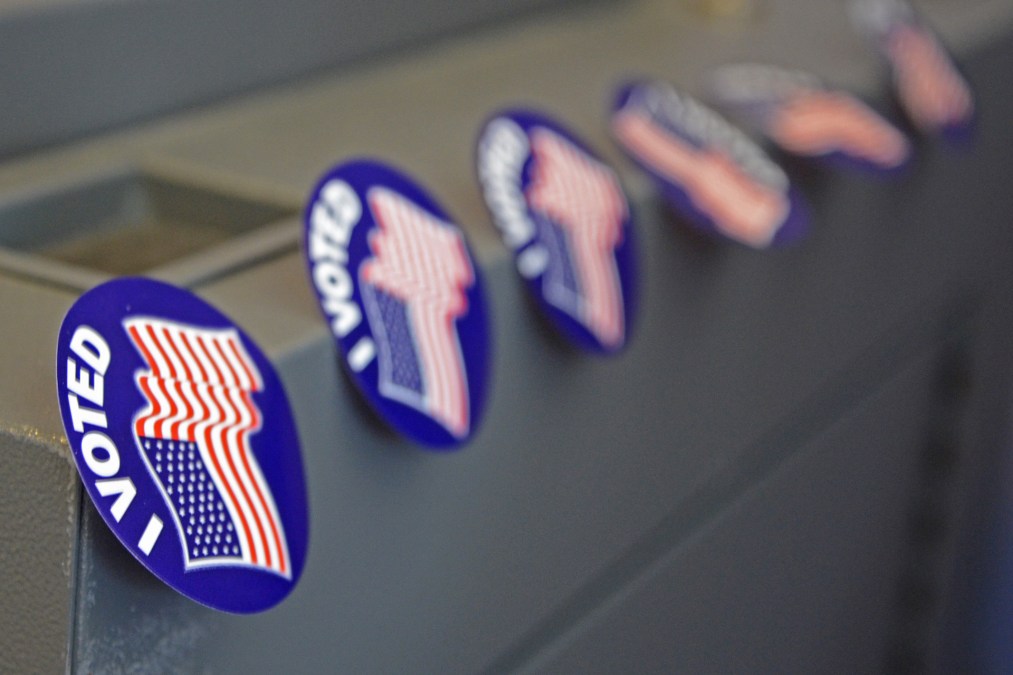
The Trump administration on Friday released a framework describing the process by which it would notify Congress, state and local officials, the private sector, and the public about foreign interference in U.S. elections.
The framework supplements existing laws, under which the FBI and the Department of Homeland Security alert victims of cyber intrusions and other malicious activity. The document is recognition that, in cases of foreign attempts to disrupt the electoral process, more communication with the public is needed.
One key factor in the notification process, according to a one-page summary released by the Office of the Director of National Intelligence, is whether public disclosure of a foreign interference operation will deter the activity and protect the public, or instead re-amplify the adversary’s message.
If DHS’s cybersecurity agency or a member of the intelligence community wants to disclose foreign interference activity beyond what is required by law, an interagency group of intelligence officials will weigh in on the decision.
The framework pledges that partisan politics won’t play any part in the notification process, and that U.S. officials will protect sensitive sources and methods.
Russian operatives’ multi-pronged interference in the 2016 U.S. election revealed what critics say is an opaque process for notifying victims of election-related hacks. Some lawmakers, for example, have criticized the FBI for refusing to name the two Florida counties where Russians accessed voter data in 2016.
The framework comes as U.S. officials prepare to help secure a 2020 election they say will draw interference attempts from multiple foreign powers.
Earlier in the week, a statement from U.S. national security agencies warned that Russia, China, Iran, and other foreign adversaries would “seek to interfere in the voting process or influence voter perceptions” in 2020. The statement also touted “an unprecedented level of coordination” between U.S. federal and election officials — and the private sector — to share threat information and protect the electoral process.
More Scoops

AI-fueled attacks pose ‘active threat’ to water, other sectors, U.S. agencies warn
The agencies said the hackers are taking aim at Siemens S7 Series programmable logic controllers in what could be a first.
A bold new strategy or a dangerous precedent? Experts are divided on Trump’s memo.

Where’s the Trump administration line on AI regulation?
Latest Podcasts
Government
FBI officials say AI is bolstering adversaries, emphasizing need to focus on cyber basics, patching
Feds accuse China of ‘systematic’ distillation of U.S. AI models
CIA’s Michael Ellis says cyber intelligence is changing how the agency operates
The G7 tells industry to hurry up and prep for post-quantum encryption
Technology
Threats
Chinese espionage groups swarm to exploit triple-link chain of zero-days
Microsoft discloses two actively exploited zero-days among 974 vulnerabilities
Russian national extradited to US for alleged involvement in bank-account takeover scheme
Attackers exploit zero-days in consistently besieged SonicWall product
Policy
Whistleblower says USPS deploying new, ‘untested’ IT systems governing mail-in ballots
‘Watershed 250’ test program in Texas looks to private sector for water cybersecurity help
Former sexual abuse victims say Grok used their images, videos to train deepfake capabilities
Cyber threats nudge Trump to sign executive order on foreign equipment in U.S. energy infrastructure
Text extracted automatically; images, tables and formatting may be missing. Original: https://cyberscoop.com/foreign-interference-2020-election-odni-framework/