NIST estimates $250 billion economic impact from its encryption standard
Full article582 words · extracted from cyberscoop.com · click to collapse
Get our latest cybersecurity news first on Google.
The standards agency commissioned a study of how much the Advanced Encryption Standard meant to government and industry since the late '90s.
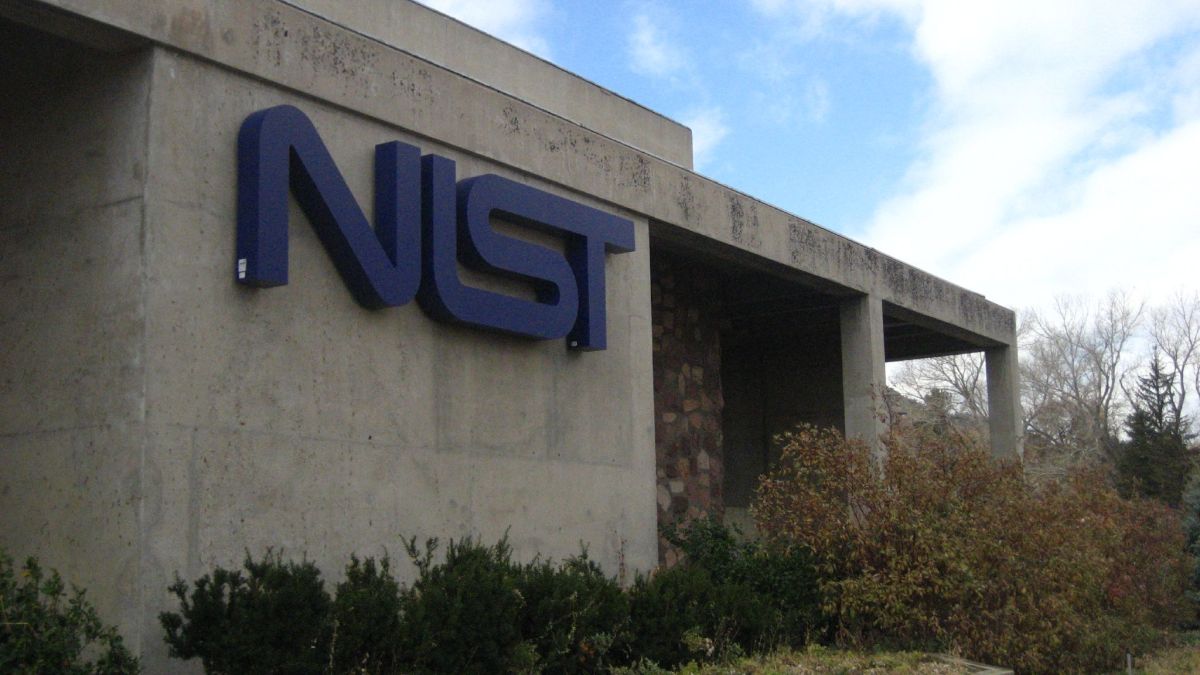
The U.S. government’s standards clearinghouse for science and technology says that an encryption standard it established in 2001 has had an economic impact of a quarter of a trillion dollars over the years, according to a report released Wednesday.
The National Institute of Standards and Technology set out in 1997 to find a new encryption algorithm for use in the federal agencies to replace the Data Encryption Standard (DES), the government’s prevailing yet aging standard at the time. The result was the Advanced Encryption Standard (AES), an algorithm born of collaboration from the greater cryptography community.
According to the report, commissioned by NIST and prepared by RM Advisory Services, AES has added more than $250 billion in value to the economy since it became available.
AES is part of the Federal Information Processing Standards, which agencies across the government use to guide their information security and interoperability. The encryption standard is unclassified and is available royalty-free, so it’s utilized by private sector organizations in addition to the government.
The assessment, the report says, is based on the following question: “‘What would it have cost industry, acting without NIST support, to develop and adopt a strong successor to the operative encryption standard (DES, FIPS-46) in the mid-1990s as DES was coming to the end of its useful life as a secure symmetric block cipher?’”
The figure is drawn from a survey of consumers in the public and private sector who use encryption systems, as well as private integrators that produce encryption products.
“This outstanding return on investment exemplifies the economic value of federal research and development, for the private sector and for the broader American economy,” said NIST Director Walter Copan, in a statement. “It also demonstrates how bringing together the private and public sectors effectively to address a challenge can result in positive impacts on U.S. commerce.”
NIST is also known for its Framework for Improving Critical Infrastructure Cybersecurity, which is used by government agencies and the private sector to guide security and risk management practices. The agency released Version 1.1 of the framework in April.
Latest Podcasts
Government
FBI officials say AI is bolstering adversaries, emphasizing need to focus on cyber basics, patching
Feds accuse China of ‘systematic’ distillation of U.S. AI models
CIA’s Michael Ellis says cyber intelligence is changing how the agency operates
Jail time for Maine child in 764 marks turning point in federal law enforcement
Technology
Threats
Chinese espionage groups swarm to exploit triple-link chain of zero-days
Microsoft discloses two actively exploited zero-days among 974 vulnerabilities
Russian national extradited to US for alleged involvement in bank-account takeover scheme
Attackers exploit zero-days in consistently besieged SonicWall product
Policy
Whistleblower says USPS deploying new, ‘untested’ IT systems governing mail-in ballots
‘Watershed 250’ test program in Texas looks to private sector for water cybersecurity help
Former sexual abuse victims say Grok used their images, videos to train deepfake capabilities
Cyber threats nudge Trump to sign executive order on foreign equipment in U.S. energy infrastructure
Text extracted automatically; images, tables and formatting may be missing. Original: https://cyberscoop.com/nist-aes-encryption-economic-impact/