DHS studying alternatives to GPS for vital sectors
Full article583 words · extracted from cyberscoop.com · click to collapse
Get our latest cybersecurity news first on Google.
The Department of Homeland Security is working with vital national industries to figure out what they could use as an alternative if the satellite-based GPS they rely on stopped working.
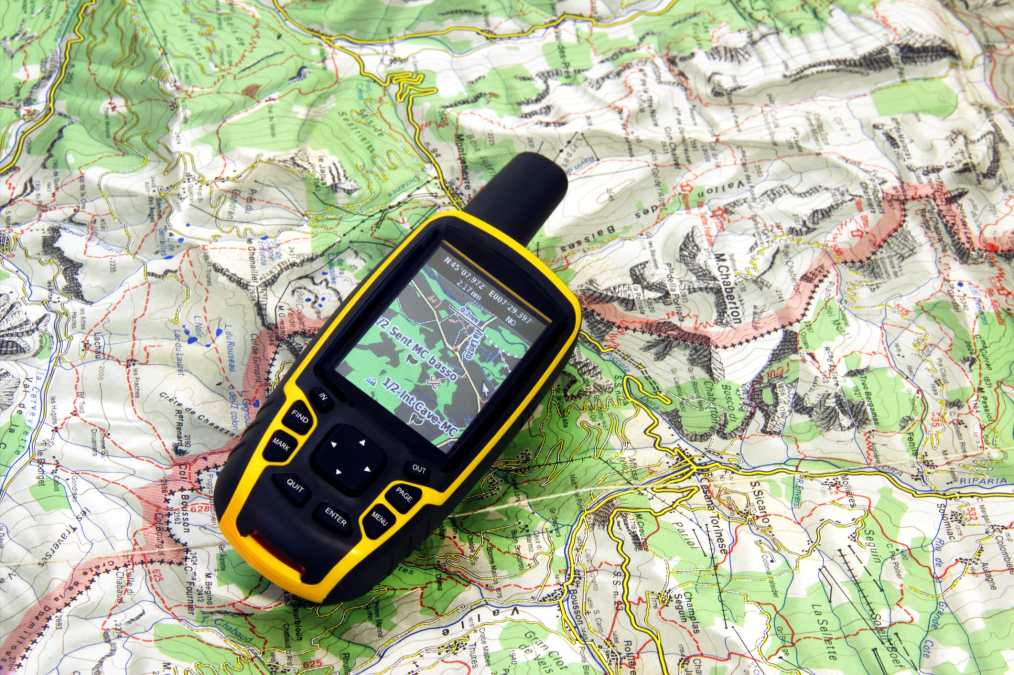
The Department of Homeland Security is working with vital national industries to figure out what they could use as an alternative if satellite-based GPS stops working.
In a federal register notice published last week, the department announced the launch of a study “to define and validate current and future positioning, navigation, and timing [or PNT] requirements for critical infrastructure.”
Vital U.S. industries have become reliant for PNT data, the notice said, on GPS — which is “susceptible to both unintentional and intentional disruption leaving critical infrastructure vulnerable to operational impacts.”
The Global Positioning System, conceived by the U.S. military in the 1960s, began working several years after the first prototype satellite was launched in February 1978 and reached initial operating capacity in December 1993.
Now, a homeland security official explained via email, most national networks, like the cellular phone system and the electricity grid “rely on precise time for synchronizing various functions, such as the handoff of a cellular phone call from one tower to another … To meet these timing needs the sectors currently rely on GPS.”
GPS signals tell automated systems — like drone autopilots, or the software that runs train signals — where they are and what time it is.
But GPS signals are very low power and are subject to interference — as venture capitalists found out to their cost through 2010 to 2013, when LightSquared fought a prolonged battle with the GPS industry after it turned out that spectrum the company owned couldn’t be used without disrupting GPS receivers.
“The increasing reliance on GPS along with the susceptible nature of the low power signal make this an area of concern” for DHS, the official said
North Korea, for instance, has repeatedly jammed GPS in South Korea, especially during joint exercises with the U.S. military.
And spoofing, or broadcasting fake GPS signals, has reportedly been the vector for several attack on U.S. drone systems.
The Defense Advanced Research Projects Agency has also sought alternatives to GPS.
This article has been corrected to provide a more accurate timeline of the historical development of GPS.
Latest Podcasts
Government
FBI officials say AI is bolstering adversaries, emphasizing need to focus on cyber basics, patching
Feds accuse China of ‘systematic’ distillation of U.S. AI models
CIA’s Michael Ellis says cyber intelligence is changing how the agency operates
The G7 tells industry to hurry up and prep for post-quantum encryption
Technology
Threats
Chinese espionage groups swarm to exploit triple-link chain of zero-days
Microsoft discloses two actively exploited zero-days among 974 vulnerabilities
Russian national extradited to US for alleged involvement in bank-account takeover scheme
Attackers exploit zero-days in consistently besieged SonicWall product
Policy
Whistleblower says USPS deploying new, ‘untested’ IT systems governing mail-in ballots
‘Watershed 250’ test program in Texas looks to private sector for water cybersecurity help
Former sexual abuse victims say Grok used their images, videos to train deepfake capabilities
Cyber threats nudge Trump to sign executive order on foreign equipment in U.S. energy infrastructure
Text extracted automatically; images, tables and formatting may be missing. Original: https://cyberscoop.com/dhs-studying-alternatives-gps-vital-sectors/