FBI arrests researcher that stopped ‘WannaCry’ for allegedly creating Kronos banking trojan
Full article706 words · extracted from cyberscoop.com · click to collapse
Get our latest cybersecurity news first on Google.
Marcus Hutchins, 23, was arrested for his alleged role in creating the Kronos banking trojan.
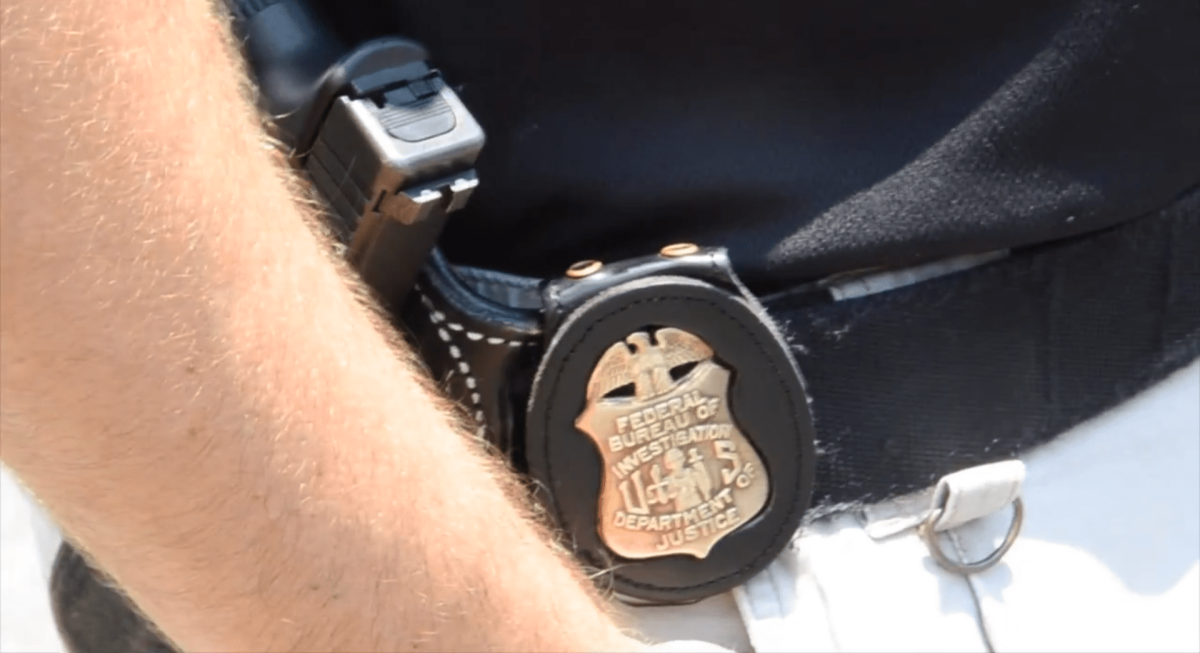
A cybersecurity researcher known for helping stop the global spread of “WannaCry” ransomware was arrested and charged by the FBI on Wednesday for “his role in creating and distributing the Kronos banking trojan,” according to a spokesperson from the U.S. Department of Justice.
Marcus Hutchins, 23, is currently in custody at the Las Vegas FBI Field Office, according to sources close to him. Hutchins created and distributed the malware, according to the indictment, first obtained by CNN Money. The charges, brought by a grand jury in the Eastern District of Wisconsin, relate to alleged conduct between July 2014 and July 2015.
According to the indictment, Hutchins allegedly created and updated the Kronos trojan while another unidentified person sold the malicious software online. Kronos was sold on the dark web marketplace AlphaBay and other cybercrime forums. Variants of Kronos have sold for as much as $7,000. The malware is still in use. When it first appeared online in 2014, Kronos was designed to steal log-in credentials and other financial information from online banking websites that are accessible via Internet Explorer, Mozilla Firefox and Google Chrome.
AlphaBay was taken down by law enforcement last month as part of an international cybercrime bust; leading to the arrest of multiple administrators for the website. It’s unclear whether the investigation into AlphaBay provided U.S. law enforcement with the information necessary to charge Hutchins.
Hutchins faces a six-count indictment that include counts of conspiracy to commit computer fraud and abuse, distributing and advertising a electronic communications interception device, and an attempt to access a computer without authorization.
In May, Hutchins was hailed as a hero after he found and activated a ‘kill switch’ in the code of WannaCry, stopping the virus from spreading further across the globe. WannaCry infected critical infrastructure including hospitals, telecommunications companies and universities across over 150 countries, including the United Kingdom, Turkey, Spain, Russia, Germany, Vietnam and the United States. If not for Hutchins’ contribution, WannaCry could have infected a larger number of systems across the globe.
Hutchins currently employed as a security researcher with Kryptos Logic, a private cybersecurity firm based in the U.S. Family and friends have not been able to speak with Hutchins since he was arrested, Vice’s MotherBoard first reported.
You can read the full indictment below:
[documentcloud url=”http://www.documentcloud.org/documents/3912545-Hutchins-Indictment.html” responsive=true sidebar=false text=false pdf=false]
More Scoops

Arrested man allegedly impersonated NSA elite hacking unit, Supreme Court chief justice
Joshua Culver, aka “Maverick Young,” is accused of imitating the head of the NSA’s Tailored Access Operations unit during a time it wasn’t called that.

FBI, CISA, Treasury: North Korean hackers taking aim at health care with Maui ransomware

Marcus Hutchins, who stopped WannaCry’s spread, avoids prison time
Latest Podcasts
Government
FBI officials say AI is bolstering adversaries, emphasizing need to focus on cyber basics, patching
Feds accuse China of ‘systematic’ distillation of U.S. AI models
CIA’s Michael Ellis says cyber intelligence is changing how the agency operates
The G7 tells industry to hurry up and prep for post-quantum encryption
Technology
Threats
Microsoft discloses two actively exploited zero-days among 974 vulnerabilities
Russian national extradited to US for alleged involvement in bank-account takeover scheme
Attackers exploit zero-days in consistently besieged SonicWall product
Jail time for Maine child in 764 marks turning point in federal law enforcement
Policy
Whistleblower says USPS deploying new, ‘untested’ IT systems governing mail-in ballots
‘Watershed 250’ test program in Texas looks to private sector for water cybersecurity help
Former sexual abuse victims say Grok used their images, videos to train deepfake capabilities
Cyber threats nudge Trump to sign executive order on foreign equipment in U.S. energy infrastructure
Text extracted automatically; images, tables and formatting may be missing. Original: https://cyberscoop.com/marcus-hutchins-wannacry-kronos/