Code for massive 'Memcrashed' DDoS attack made public
Full article687 words · extracted from cyberscoop.com · click to collapse
Get our latest cybersecurity news first on Google.
It's been just over a week since the first massive Memcached-fueled denial of service attack. The authors of the new tool is being released "to bring more attention to the flaw."
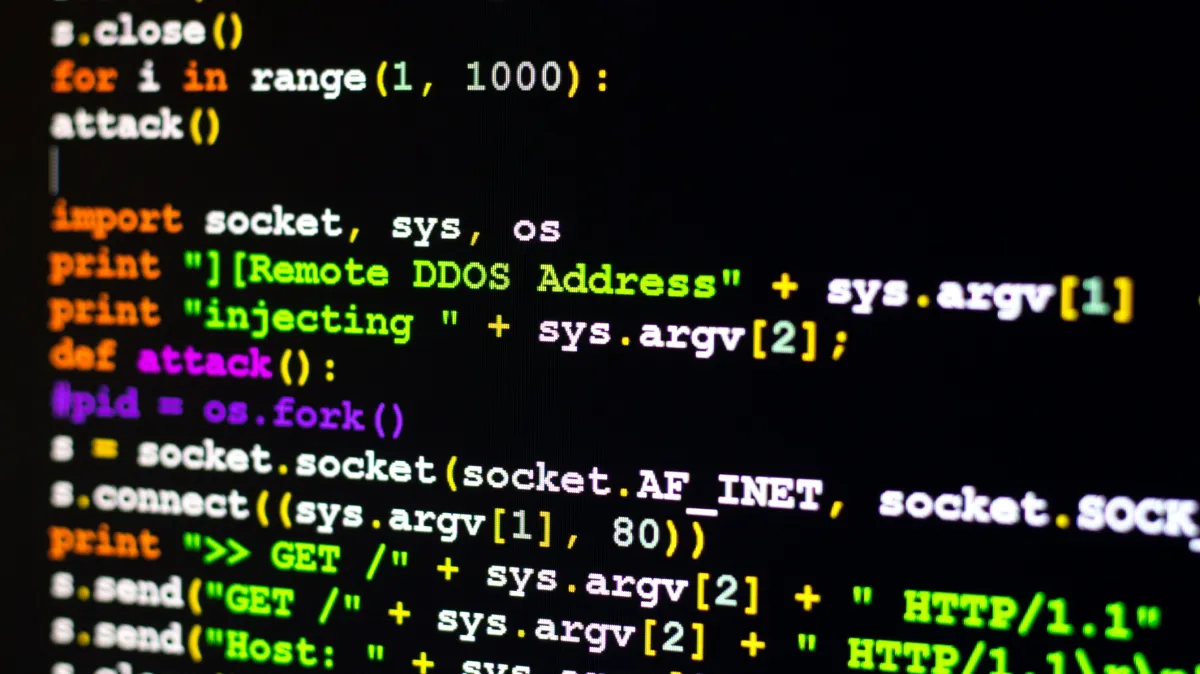
You, too, can now attempt a record-setting denial-of-service attack, as the tools used to launch the attacks were publicly posted to GitHub this week.
Proof-of-concept code by Twitter user @037 combined with a list of 17,000 IP addresses of vulnerable memcached servers allows anyone to send forged UDP packets to memcached servers obtained from the Shodan.io computer search engine.
It’s been just over a week since the first massive memcache-fueled denial of service attack. The code’s authors says it’s being released “to bring more attention to the flaw and force others into updating their devices.”
The era of terabit DDoS attacks was ushered in this month with giant denial of service attacks last week set records with 1.35-terabit-per-second and 1.7 -terabit-per-second attacks. They used unsecured memcached servers to launch the attacks, one of which targeted GitHub itself. The latter attack targeted an unnamed U.S. service provider, according to Arbor Networks.
A second tool was released on Monday, BleepingComputer reports, but the author is unknown.
Akamai and Cloudflare predicted more attacks following the record-setting efforts. Cloudflare CEO Matthew Prince said he was seeing separate attacks of a similar size last week.
Corero, a denial of service protection service, published countermeasures on Wednesday:
“Looking at shodan.io indicates there are many more than just 17,000 Memcached servers that can be used for DDoS attacks,” said Ashley Stephenson, CEO of Corero. “If the vulnerable servers on the list are utilized for attacks they can be neutralized with the kill switch by sending just 17,000 packets, one to each attacking server, neutralizing their DDoS potential until they are reloaded by the attacker which take 10,000 times longer. Corero has announced today that the ‘flush-all’ command can be used as a benign active defense ‘kill switch’ by those being attacked to suppress attacks from the compromised Memcached server.”
The vulnerability has existed for a decade and more and more server administrators are taking steps to secure their machines. Cloud service providers are also taking action by rate-limiting the UDP ports that launch the attacks.
More Scoops

Officials seize 53 DDoS-for-hire domains in ongoing crackdown
Operation PowerOFF’s latest globally coordinated action identified more than 75,000 alleged cybercriminals. Officials warned each of them to stop jamming up traffic.

Officials gain control of Rapper Bot DDoS botnet, charge lead developer and administrator

Pro-Russian DDoS group NoName057(16) disrupted by international law enforcement operation
Latest Podcasts
Government
FBI officials say AI is bolstering adversaries, emphasizing need to focus on cyber basics, patching
Feds accuse China of ‘systematic’ distillation of U.S. AI models
CIA’s Michael Ellis says cyber intelligence is changing how the agency operates
Jail time for Maine child in 764 marks turning point in federal law enforcement
Technology
Threats
Chinese espionage groups swarm to exploit triple-link chain of zero-days
Microsoft discloses two actively exploited zero-days among 974 vulnerabilities
Russian national extradited to US for alleged involvement in bank-account takeover scheme
Attackers exploit zero-days in consistently besieged SonicWall product
Policy
Whistleblower says USPS deploying new, ‘untested’ IT systems governing mail-in ballots
‘Watershed 250’ test program in Texas looks to private sector for water cybersecurity help
Former sexual abuse victims say Grok used their images, videos to train deepfake capabilities
Cyber threats nudge Trump to sign executive order on foreign equipment in U.S. energy infrastructure
Text extracted automatically; images, tables and formatting may be missing. Original: https://cyberscoop.com/ddos-attack-code-posted-memcrashed/