New York company charged with selling vulnerable Chinese
Full article677 words · extracted from cyberscoop.com · click to collapse
Get our latest cybersecurity news first on Google.
The U.S. Air Force, Navy, and the Department of Energy were among Aventura’s clients.
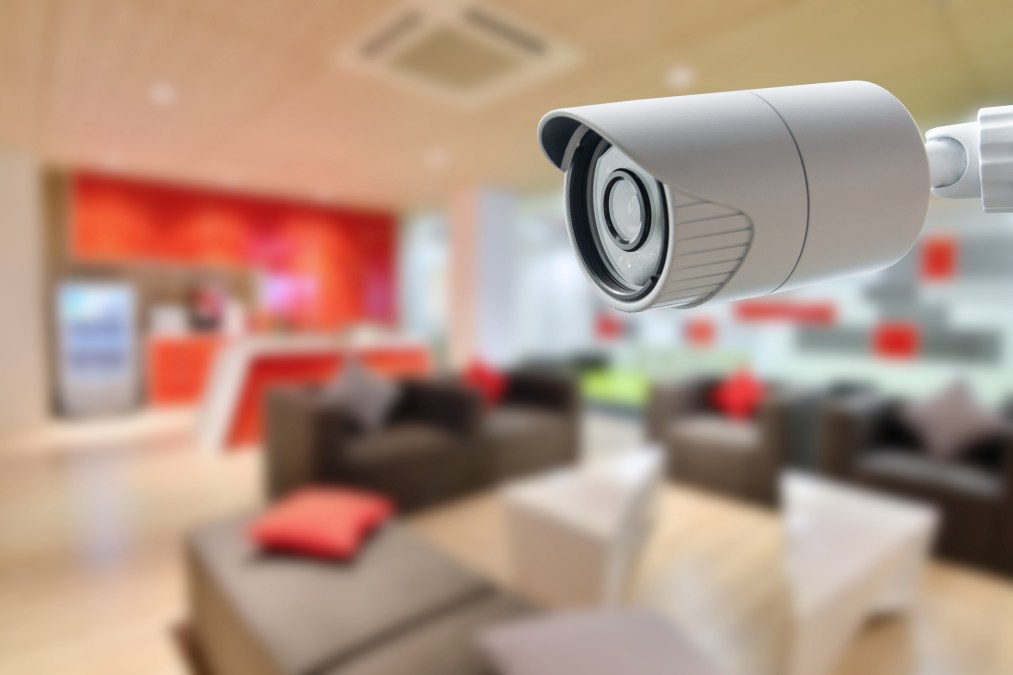
U.S. prosecutors on Thursday announced charges against a New York company and seven of its current and former employees for allegedly selling Chinese-made surveillance equipment with known cybersecurity flaws while falsely claiming the technology was made in the U.S.
Aventura Technologies, which makes security equipment like metal detectors and surveillance cameras, is accused of lying to customers, including the U.S. military, for over a decade by claiming to make their equipment in Long Island while surreptitiously importing it from China. In doing so, Aventura exposed its customers to “serious, known cybersecurity risks, and created a channel by which hostile foreign governments could have accessed some of the government’s most sensitive facilities,” the Justice Department said in a press release.
The U.S. Air Force, Navy, and the Department of Energy were among Aventura’s clients.
Jack Cabasso, the company’s de facto owner, his wife, Frances, and other senior company executives were charged with conspiracy to commit wire and bank fraud and “unlawful importation,” prosecutors said. Four of the defendants were charged with defrauding the U.S. government by falsely asserting that Aventura was owned by Frances Cabasso in order to win government contracts reserved for female-owned firms.
Six of the accused were arrested Thursday morning, authorities said. The fate of the seventh defendant wasn’t immediately clear. U.S. authorities also seized the Cabassos’ 70-foot yacht and froze some $3 million of the defendants’ ill-gotten gains, the Justice Department said.
Neither a spokesperson nor an attorney for Aventura could be immediately reached for comment.
In a statement, U.S. Attorney Richard Donoghue accused the defendants of “padding their pockets with money from lucrative contracts without regard for the risk” to U.S. national security posed by their products. The company made more than $20 million off of federal contracts, U.S. officials said.
The announcement is just the latest example of Chinese technology, which U.S. officials have often tried to exclude from government supply chains, slipping into the government’s procurement process. On Wednesday, Sen. Marco Rubio, R-Florida, wrote to the Department of Defense asking why more than 2,700 Chinese-made surveillance cameras had reportedly been installed at U.S. defense facilities.
The Justice Department announced in April that Fortinet, a U.S. security vendor, had agreed to pay the equivalent of $545,000 to settle allegations it sold the government Chinese-made equipment while claiming the technology originated in North America.
U.S. officials also have gone to great lengths to try to keep equipment from Chinese telecommunication giants like Huawei and ZTE out of federal networks amid espionage concerns. Both companies deny any wrongdoing.
In May, President Donald Trump issued an executive order that warned companies not to use surveillance-enabling telecom equipment coming from overseas. A defense policy bill signed by Trump last year bans U.S. government agencies from using certain Huawei and ZTE components.
Latest Podcasts
Government
FBI officials say AI is bolstering adversaries, emphasizing need to focus on cyber basics, patching
CIA’s Michael Ellis says cyber intelligence is changing how the agency operates
Jail time for Maine child in 764 marks turning point in federal law enforcement
FCC proposes public scorecard to rate telecoms on anti-robocall efforts
Technology
Threats
Policy
Whistleblower says USPS deploying new, ‘untested’ IT systems governing mail-in ballots
‘Watershed 250’ test program in Texas looks to private sector for water cybersecurity help
Election official says Tina Peters would be consultant, won’t have access to election systems
Bipartisan Senate bill aims to prepare energy sector for Q-Day
Text extracted automatically; images, tables and formatting may be missing. Original: https://cyberscoop.com/aventura-fraud-charges-china/