Ransomware is driving an increase in emergency patient care
Full article654 words · extracted from cyberscoop.com · click to collapse
Get our latest cybersecurity news first on Google.
A rise in attacks on the sector, with Iran at the forefront, causes spillovers to other hospitals, Microsoft said.
Listen to this article
0:00
Learn more.
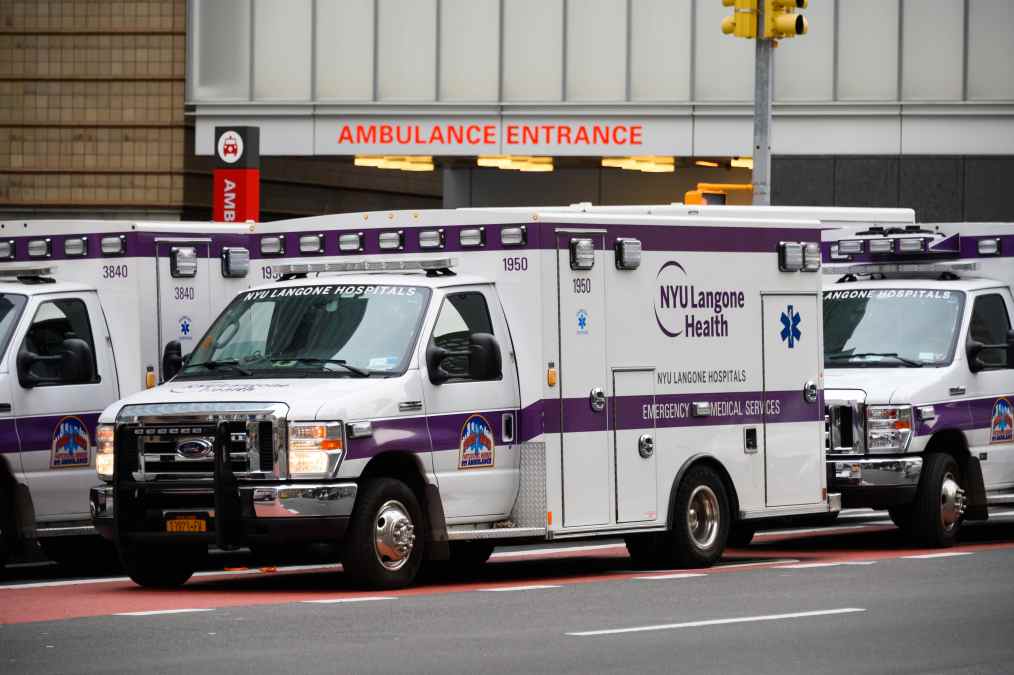
Ransomware attacks on the health care sector are rising and putting lives at risk, led by Iranian hackers, Microsoft said in a report Tuesday.
The report, which draws on both internal company data and external data, points to a 300% increase in ransomware attacks on the health sector since 2015, and an increase in stroke and cardiac arrest cases at hospitals receiving patients from nearby facilities paralyzed by such attacks.
It all amounts to a dangerous trend from conditions during the height of the COVID-19 pandemic, when some ransomware groups pledged to avoid attacking the health care sector.
“That [pledge has] been shoved off the table, unfortunately, and we are seeing a broader targeting of everything that has to do with health care, from hospital systems to clinics to doctors’ offices — really, anything where patient care can be impacted,” Sherrod DeGrippo, director of threat intelligence strategy at Microsoft, told CyberScoop. “Threat actors know people’s lives are at stake, and therefore the organization is more likely to pay.”
Health care is one of the top 10 most targeted sectors, according to second-quarter 2024 data from Microsoft, and the average payment from a survey of health care organizations was $4.4 million.
Iranian gangs appear to be targeting health care organizations the most, Microsoft data suggests.
A study last year found that ransomware attacks on hospitals cause a spillover effect, where unaffected hospitals see a surge in patients, leading to stroke cases rising by 113% and cardiac arrest cases jumping 81%. Survival rates also dropped from those cardiac arrest cases.
“We know that these types of incidents have impacts on many of the technologies, such as CT scanners or laboratory machines that are used to take care of patients suffering from things like heart attack, stroke or sepsis,” Jeff Tully, co-director and of the University of California San Diego Center for Healthcare Cybersecurity and co-author of that study, told CyberScoop. “And we know that there are delays in our ability to care for these patients during these types of down times.”
Tully said the center was working to develop a ransomware response playbook for health care organizations, while DeGrippo emphasized the importance of building resilience to be able to withstand an attack when it happens.
Latest Podcasts
Government
FBI officials say AI is bolstering adversaries, emphasizing need to focus on cyber basics, patching
Feds accuse China of ‘systematic’ distillation of U.S. AI models
CIA’s Michael Ellis says cyber intelligence is changing how the agency operates
The G7 tells industry to hurry up and prep for post-quantum encryption
Technology
Threats
Microsoft discloses two actively exploited zero-days among 974 vulnerabilities
Russian national extradited to US for alleged involvement in bank-account takeover scheme
Attackers exploit zero-days in consistently besieged SonicWall product
Jail time for Maine child in 764 marks turning point in federal law enforcement
Policy
Whistleblower says USPS deploying new, ‘untested’ IT systems governing mail-in ballots
‘Watershed 250’ test program in Texas looks to private sector for water cybersecurity help
Former sexual abuse victims say Grok used their images, videos to train deepfake capabilities
Cyber threats nudge Trump to sign executive order on foreign equipment in U.S. energy infrastructure
Text extracted automatically; images, tables and formatting may be missing. Original: https://cyberscoop.com/ransomware-attacks-health-care-emergency-visits-microsoft/