Electric grid hacking exercise puts spotlight on shortage of security clearances
Full article931 words · extracted from cyberscoop.com · click to collapse
Get our latest cybersecurity news first on Google.
As foreign hackers continue to probe the U.S. grid for weaknesses, a cyber exercise for the North American energy sector has shown that many utility personnel still lack access to the classified information needed to stay on top of the threat.
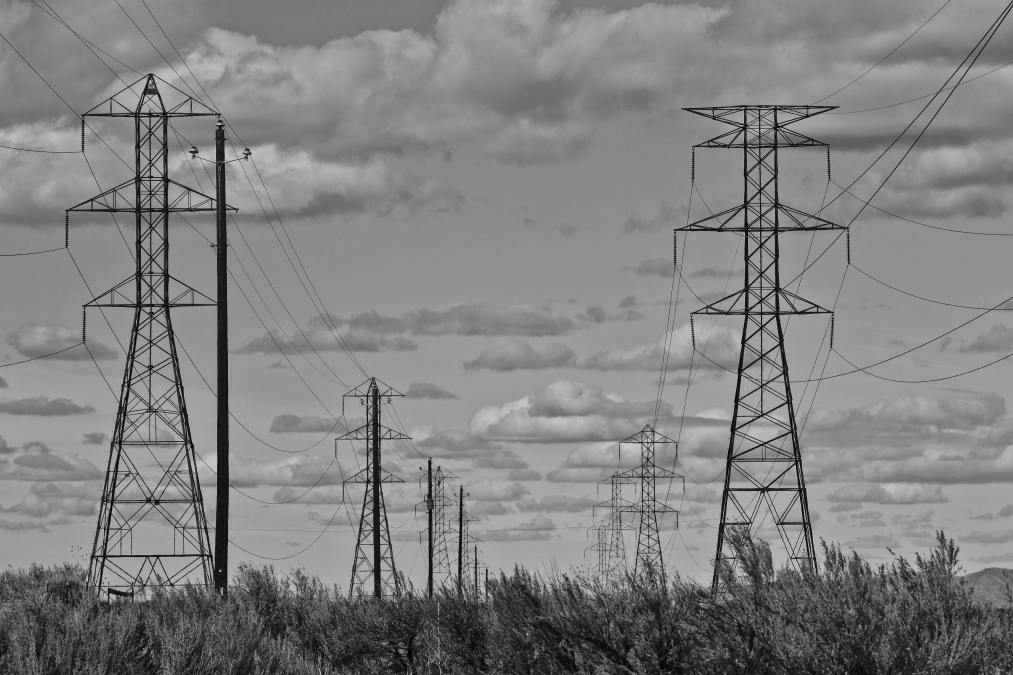
As foreign hackers continue to probe the U.S. grid for weaknesses, a cyber exercise for the North American energy sector has shown that many utility personnel still lack access to the classified information needed to stay on top of the threat.
Not enough utility employees had the clearances needed to share threat information for a serious cyberattack scenario rehearsed during the exercise, according to a report published Friday by regulator North American Electric Reliability Corp. (NERC).
“Government should plan to quickly declassify information that utilities need to prevent or respond to attacks,” the report states.
During the two-day exercise, which took place in November, government officials and utility executives worked together to respond to simulated “cyber and physical attacks” against control systems and generation and transmission facilities “that caused widespread and prolonged power outages,” the report notes.
Energy industry officials have long urged the U.S. government to expedite the clearance process for private sector operators. Last year, American Gas Association CEO Dave McCurdy told lawmakers that his industry was in pressing need of actionable cyberthreat information.
This fourth iteration of the biennial “GridEx” exercise convened a record 6,500 people from 450 organizations, including electricity transmission authorities and academics. As hackers have grown bolder in attacking the industrial control systems (ICS) that underpin the grid in places like Ukraine, observers credit GridEx with sharpening the North American grid’s defenses.
“GridEx does a great job in finding new areas to explore and focus on rather than a rinse-and-repeat sort of mentality,” Ben Miller, director of threat operations for ICS security firm Dragos, told CyberScoop.
The most recent GridEx included new pre-exercise training, dubbed Move 0, that focused on the reconnaissance hackers carry out before an attack. “Attacks don’t occur in minutes but instead weeks or months and Move 0 helped illustrate this to the attendees,” Miller said.
Such reconnaissance techniques have been on display in an ongoing hacking campaign targeting the U.S. energy sector that the Department of Homeland Security has attributed to Russian government actors. DHS warned last month that the hackers had used spear-phishing and watering-hole attacks to collect information on ICS.
The NERC report on GridEx found other areas for improvement. Twenty-two percent of participants said the exercise didn’t effectively test utilities’ communication plans with groups like law enforcement and state officials – a crucial point of contact in the event of serious hacking incident. In the 2015 cyberattack of the Ukrainian power grid, hackers cut power for at least 225,000 customers but also hit the power company’s customer call center, hampering the recovery process.
The NERC report also floated the possibility of the electric industry’s cyber-threat sharing hub, known as E-ISAC, adding a “common operating picture” to give utilities a clearer view of overall grid security.
Energy officials in Europe and elsewhere also are increasingly carrying out more complex cyber exercises to try to keep pace with hacking operations. Last October, Swedish nuclear plant employees drilled for a range of attacks, including one based on the 2015 hack of the Ukrainian grid. It was the most technically sophisticated exercise in which the UN’s nuclear watchdog has participated.
More Scoops
Congress looks to revive critical cyber program for rural electric utilities
A House committee reauthorized an Energy Department program that funnels hundreds of millions of dollars and cybersecurity assistance to rural electric utilities.

After major Poland energy grid cyberattack, CISA issues warning to U.S. audience

Dragos: Surge of new hacking groups enter ICS space as states collaborate with private actors
Latest Podcasts
Government
FBI officials say AI is bolstering adversaries, emphasizing need to focus on cyber basics, patching
Feds accuse China of ‘systematic’ distillation of U.S. AI models
CIA’s Michael Ellis says cyber intelligence is changing how the agency operates
The G7 tells industry to hurry up and prep for post-quantum encryption
Technology
Threats
Microsoft discloses two actively exploited zero-days among 974 vulnerabilities
Russian national extradited to US for alleged involvement in bank-account takeover scheme
Attackers exploit zero-days in consistently besieged SonicWall product
Jail time for Maine child in 764 marks turning point in federal law enforcement
Policy
Whistleblower says USPS deploying new, ‘untested’ IT systems governing mail-in ballots
‘Watershed 250’ test program in Texas looks to private sector for water cybersecurity help
Former sexual abuse victims say Grok used their images, videos to train deepfake capabilities
Cyber threats nudge Trump to sign executive order on foreign equipment in U.S. energy infrastructure
Text extracted automatically; images, tables and formatting may be missing. Original: https://cyberscoop.com/electric-grid-hacking-exercise-reveals-shortfalls-security-clearance-shortage/