Hackers posed as Amnesty International, promising anti-spyware tool that actually collects passwords
Full article878 words · extracted from cyberscoop.com · click to collapse
Get our latest cybersecurity news first on Google.
It's unclear who is behind the scam.
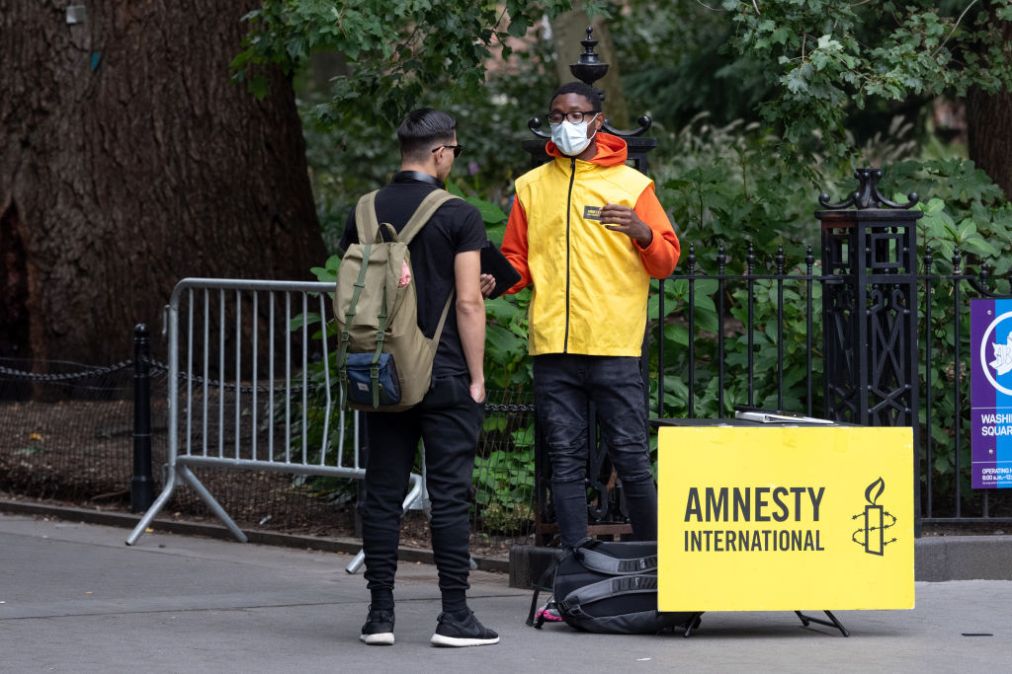
Fraudsters are posing as human rights group Amnesty International to trick individuals into downloading malicious software, researchers at Cisco’s threat intelligence unit Talos report.
Masquerading as the human rights group, hackers registered multiple domains using variations on the Amnesty name to advertise a demo for “Amnesty Anti Pegasus” software that could allegedly scan devices for the NSO Group spyware, which Amnesty has closely examined. The malware had a realistic-looking “Anti Pegasus” user interface. In fact, victims downloaded Sarwent, a malicious software that gives attackers a backdoor to a victim’s machine.
Hackers can use that access to download and execute other malicious tools as well as exfiltrate data such as passwords.
The campaign preys on growing concerns around the threat of spyware. Human rights advocates have long criticized the NSO Group for the use of its technology by governments to spy on activists, dissidents and journalists. A sweeping July report by Amnesty International and partners revealed that the spyware was using a vulnerability in the previous version of iOS to target more than three dozen victims. Apple patched against the vulnerabilities in September.
In light of the growing number of victims, groups including the United Nations have called for a moratorium on spyware technology until it meets international human rights standards.
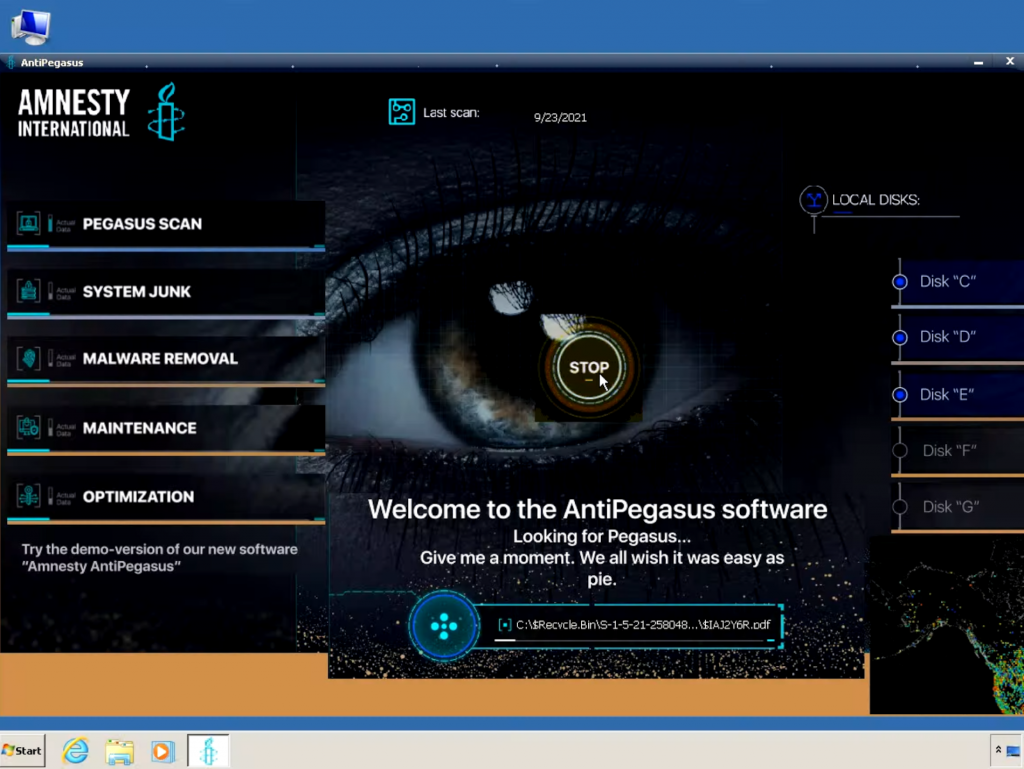
Fake anti-virus software (courtesy Talos).
The hacking campaign revealed by Talos targeted individuals who may be worried about Pegasus spyware, such as activists and journalists, raising the possibility that the campaign has ties to a state actor. However, researchers were unable to determine if a government was involved in the effort, and say it’s possible that the hackers may be leveraging a major news story for a financially motivated scam. Researchers say that some of the URLs flagged in the report are still live.
Researchers expressed high confidence that the actor behind the campaign is based in Russia and has ran similar campaigns since January. Two of the domains associated with the Amnesty campaign were registered to addresses in Ukraine.
What’s still unclear is how the group is spreading the fake domains. While Talos observed the lure domains being accessed globally — primarily across Eastern Europe and North America – there’s no indication the traffic came from search engine matches or an email campaign.
A spokesperson for Talos said the security firm has reported its findings to Amnesty. CyberScoop reached out to Amnesty International for comment.
More Scoops

Pegasus, NoviSpy variant spyware found on devices of Serbian activists
It’s the first Pegasus infection of 2026 that Citizen Lab is forensically confirming, and the SHARE Foundation said it’s the biggest wave of spyware surveillance in Serbia…

Someone infected a spyware probe overseer with spyware

Meta accuses NSO Group of defying spyware injunction, files contempt of court complaint
Latest Podcasts
Government
FBI officials say AI is bolstering adversaries, emphasizing need to focus on cyber basics, patching
Feds accuse China of ‘systematic’ distillation of U.S. AI models
CIA’s Michael Ellis says cyber intelligence is changing how the agency operates
The G7 tells industry to hurry up and prep for post-quantum encryption
Technology
FCC proposes public scorecard to rate telecoms on anti-robocall efforts
Wyden seeks upgraded NSA security guidance on commercial VPN use
The Collective Cyber Defense letter wrote your next vendor questionnaire
Former sexual abuse victims say Grok used their images, videos to train deepfake capabilities
Threats
Microsoft discloses two actively exploited zero-days among 974 vulnerabilities
Russian national extradited to US for alleged involvement in bank-account takeover scheme
Attackers exploit zero-days in consistently besieged SonicWall product
Jail time for Maine child in 764 marks turning point in federal law enforcement
Policy
Whistleblower says USPS deploying new, ‘untested’ IT systems governing mail-in ballots
‘Watershed 250’ test program in Texas looks to private sector for water cybersecurity help
Cyber threats nudge Trump to sign executive order on foreign equipment in U.S. energy infrastructure
Election official says Tina Peters would be consultant, won’t have access to election systems
Text extracted automatically; images, tables and formatting may be missing. Original: https://cyberscoop.com/amnesty-international-spyware-scam-pegasus/