SonicWall firewalls hit by active mass exploitation of suspected zero
Vulnerabilities mentionedAll →
| CVE | Vulnerability | CVSS | EPSS | Flags | Affected | Exposure | Published |
|---|---|---|---|---|---|---|---|
| CVE-2021-20016 | Unauthenticated SQL Injection in SonicWall SMA100 SSL VPN CVE-2021-20016 is an unauthenticated SQL injection flaw (CWE-89) in the SonicWall SSL-VPN service on SMA 100 appliances. It is triggered remotely by malicious, unauthenticated requests to the appliance's web interface, allowing SQL injection against the backend database. Successful exploitation gives the attacker credential access — harvesting valid user credentials that can then be used to log into the SSL-VPN and pivot into the victim network. Any organization running an internet-facing SonicWall SSLVPN SMA100 appliance is affected, and CISA notes known ransomware use of this flaw. It was added to the CISA Known Exploited Vulnerabilities catalog on 2021-11-03 and carries a 40% EPSS probability of exploitation within 30 days (99th percentile), so it should be treated as actively exploited even though no public proof-of-concept is known. Do: Apply the SonicWall firmware update per vendor instructions, as required by the CISA KEV listing. Because ransomware operators are known to exploit this flaw, review SMA100 authentication and admin logs for unfamiliar logins, rotate exposed credentials, and restrict the appliance to trusted source IPs until it is patched. CVSS has not yet been scored, but the 40% EPSS (99th percentile) and KEV status warrant immediate patching of all internet-exposed units. | 9.8 | 40% | KEV ransomware |
| large≈ tens of thousands of internet-exposed SMA100 appliances (public scan counts of SonicWall SSL-VPN endpoints) | |
| CVE-2023-44221 | OS Command Injection in SonicWall SMA100 SSL-VPN Management Interface SonicWall SMA100 appliances contain an OS command injection flaw (CWE-78) caused by improper neutralization of special elements in the SSL-VPN management interface. A remote attacker who is already authenticated with administrative privileges can submit crafted input containing special characters, causing arbitrary operating system commands to be executed on the appliance. Injected commands run as the low-privilege 'nobody' user, which limits immediate access but still yields high-impact confidentiality, integrity, and availability outcomes (CVSS 7.2) and can provide a foothold for further compromise. Affected products are the SMA 200, SMA 210, SMA 400, and SMA 410 appliance firmware and the SMA 500v virtual appliance firmware. The flaw carries a high EPSS score (75.1%, 99th percentile), was added to CISA's Known Exploited Vulnerabilities catalog on 2025-05-01, and reporting indicates both SonicWall and CISA have confirmed active in-the-wild exploitation of this and related SMA100 flaws. Do: Upgrade affected SMA100 appliances (SMA 200/210/400/410 and SMA 500v) to the latest vendor-patched firmware per SonicWall's advisory, as required under CISA KEV/BOD 22-01 timelines. Until patched, restrict access to the SSL-VPN management interface to trusted networks and enforce MFA on administrative accounts, since exploitation requires an authenticated administrative session. Given confirmed in-the-wild exploitation, review appliance logs for unauthorized administrative activity or command execution and rotate credentials if compromise is suspected. | 7.2 | 76% | KEV |
| large≈tens of thousands of internet-exposed SMA100 SSL-VPN appliances (order 10k–100k) | |
| CVE-2024-53704 | Authentication Bypass in SonicWall SonicOS SSLVPN CVE-2024-53704 is a critical (CVSS 9.8) improper authentication flaw (CWE-287) in the SSLVPN authentication mechanism of SonicWall's SonicOS. A remote, unauthenticated attacker can exploit it over the network without user interaction, bypassing SSLVPN authentication to gain unauthorized access to the VPN and a foothold into protected internal networks. CISA notes known ransomware use, making this a high-value entry point for follow-on attacks. Any organization running SonicWall SonicOS with SSLVPN enabled is affected. Exploitation is confirmed in the wild: CISA added the flaw to the Known Exploited Vulnerabilities catalog on 2025-02-18, public scans show 5,000+ internet-exposed SonicWall firewalls still unpatched, and EPSS rates the 30-day exploitation probability at 95.1%. Do: Upgrade affected SonicOS deployments to the patched releases listed in SonicWall's advisory, prioritizing internet-facing SSLVPN endpoints. Until patched, restrict or disable SSLVPN exposure where feasible and hunt for signs of exploitation, since ransomware use is known. Remediation must satisfy CISA KEV required actions (apply vendor mitigations or discontinue use). | 9.8 | 95% | KEV ransomware |
| largeestimated tens of thousands of SSLVPN-enabled SonicWall firewall deployments, with at least ~5,000 confirmed still exposed and unpatched on the public internet |
Full article812 words · extracted from cyberscoop.com · click to collapse
Get our latest cybersecurity news first on Google.
About 20 organizations have been impacted and the pace of attacks is rising. Threat researchers and SonicWall are scrambling to determine the root cause.
Listen to this article
0:00
Learn more.
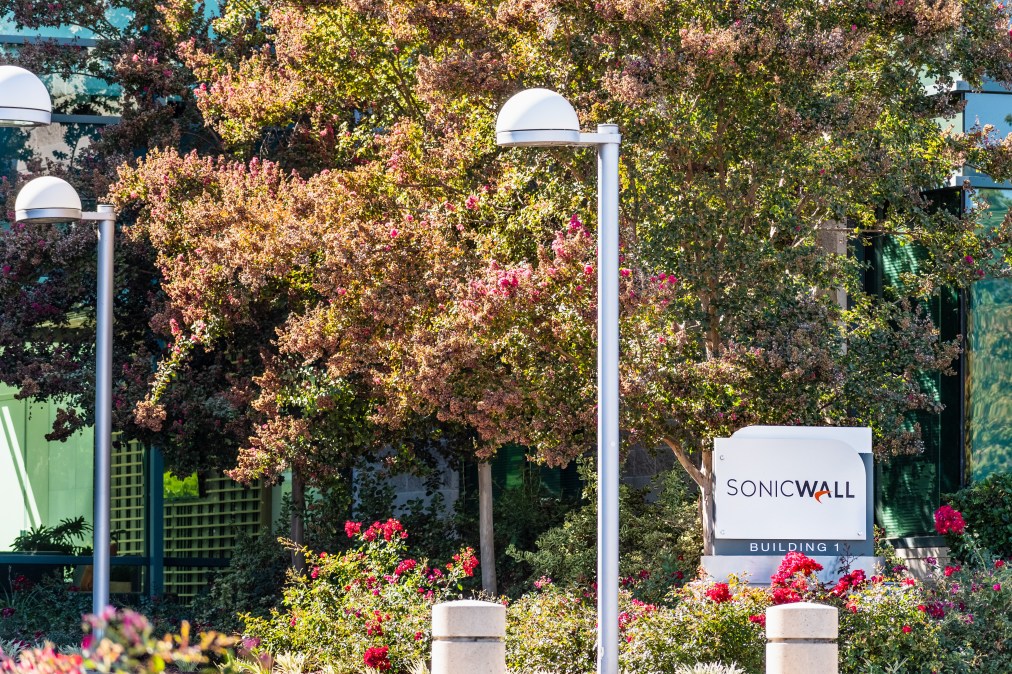
SonicWall warned customers to disable encryption services on Gen 7 firewalls in the wake of an active attack spree targeting a yet-to-be identified vulnerability affecting a critical firewall service. Attacks have increased notably since Friday, the company said in a blog post.
Threat hunters and incident responders from Arctic Wolf, Google and Huntress have observed a wave of ransomware attacks beginning as early as July 15. Mounting evidence points to a zero-day vulnerability affecting the secure sockets layer (SSL) VPN protocol as the initial attack vector.
“A financially motivated threat actor is actively compromising victim environments and deploying Akira ransomware,” Charles Carmakal, CTO at Mandiant Consulting, said in a LinkedIn post Tuesday. “The speed and scale of the compromises suggests a potential zero-day vulnerability in SonicWall Gen 7 firewalls.”
SonicWall said an ongoing investigation has yet to determine if the attacks involve a previously disclosed vulnerability or a zero-day. “If a new vulnerability is confirmed, we will release updated firmware and guidance as quickly as possible,” Bret Fitzgerald, senior director of global communications at SonicWall, told CyberScoop.
Researchers from multiple security companies confirmed attackers have intruded and compromised customer networks, even in environments with multi-factor authentication enabled.
Attackers are moving swiftly, pivoting directly to domain controllers within hours and deploying ransomware after short dwell times, Huntress said in a threat advisory Monday. The company said it has observed about 20 attacks, occurring in almost daily bursts, starting July 25.
Huntress said post-compromise techniques span a mix of automated scripts and hands-on keyboard activities prior to Akira ransomware deployment. This includes the abuse of privileged accounts for administrative access, backdoor implants, lateral movements to steal credentials from multiple databases and a methodical disablement of security tools and firewalls.
Multiple attackers have gained access to internal networks via SonicWall devices. While there are some similarities across the various attacks, Huntress also noted some differences, suggesting multiple threat groups might be involved or attackers are adapting to situations upon gaining access.
SonicWall, a repeat offender
The active mass exploitation targeting SonicWall firewalls underscores the persistent risk the vendor’s customers have confronted for years. SonicWall has 14 entries on the Cybersecurity and Infrastructure Security Agency’s known exploited vulnerabilities catalog since late 2021.
The more recent and ongoing attacks are targeting a next-generation firewall, unlike last month’s series of financially motivated attacks targeting organizations using fully patched, but outdated SonicWall Secure Mobile Access 100 series appliances. Half of the exploited vulnerabilities on CISA’s catalog affect SonicWall SMA 100 appliances, including three of the four defects actively exploited this year.
SonicWall’s recommendation to disable SSLVPN on Gen 7 firewalls, which allows users to establish encrypted connections to the corporate network, serves as an acknowledgment that the critical service can’t be trusted to serve its primary purpose. Many organizations require employees to access their corporate network via VPN.
SonicWall’s SSLVPN was the root of the problem in at least three actively exploited vulnerabilities on CISA’s known exploited vulnerabilities catalog, including CVE-2024-53704, CVE-2023-44221 and CVE-2021-20016.
Akira ransomware impacted more than 250 organizations, claiming about $42 million in extortion payments from March 2023 to January 2024, CISA said in an advisory last year. Officials said Akira operators steal data and encrypt systems before threatening to publish data. Some Akira affiliates have also called victimized companies to apply further pressure, according to the FBI.
An investigation into the root cause of the attacks and origins of those responsible is ongoing.
Latest Podcasts
Government
FBI officials say AI is bolstering adversaries, emphasizing need to focus on cyber basics, patching
CIA’s Michael Ellis says cyber intelligence is changing how the agency operates
The G7 tells industry to hurry up and prep for post-quantum encryption
FCC proposes public scorecard to rate telecoms on anti-robocall efforts
Technology
Threats
Policy
Whistleblower says USPS deploying new, ‘untested’ IT systems governing mail-in ballots
‘Watershed 250’ test program in Texas looks to private sector for water cybersecurity help
Former sexual abuse victims say Grok used their images, videos to train deepfake capabilities
Cyber threats nudge Trump to sign executive order on foreign equipment in U.S. energy infrastructure
Text extracted automatically; images, tables and formatting may be missing. Original: https://cyberscoop.com/sonicwall-firewalls-attack-spree-zero-day/