Cybercrime is hitting communities of color at higher rates, study finds
Full article904 words · extracted from cyberscoop.com · click to collapse
Get our latest cybersecurity news first on Google.
"Everyone else has a better chance at not being financially hit, everyone else has a better chance of skirting by kind of unscathed."
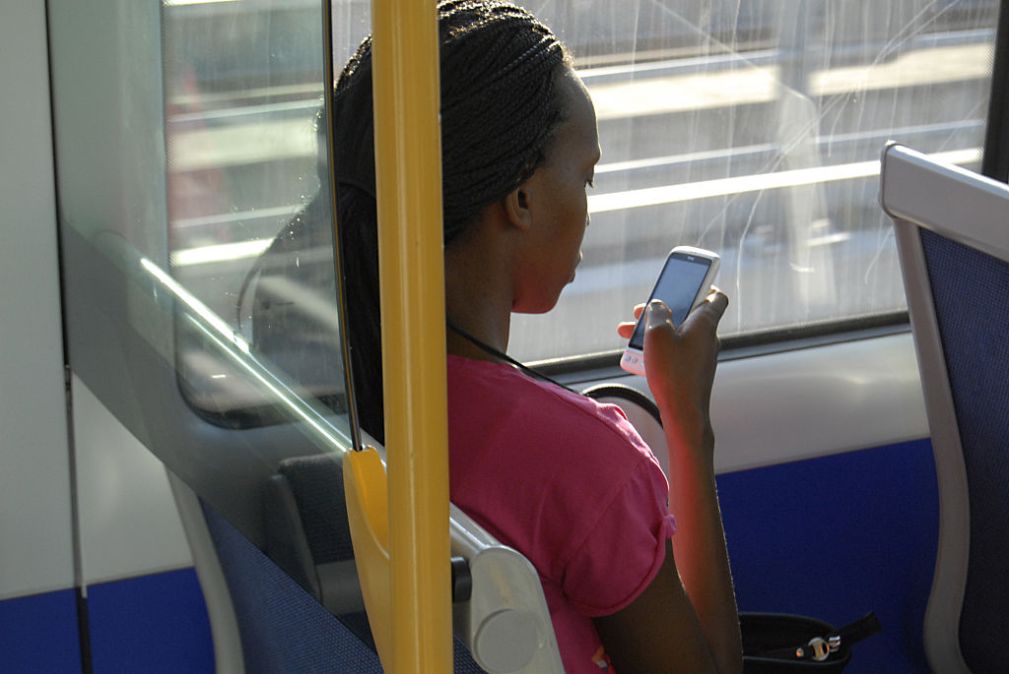
Black people, Indigenous people, and people of color (BIPOC) are more likely to suffer from identity theft and financial impact from the fallout, according to survey data collected by internet security company Malwarebytes with the nonprofits Digitunity and the Cybercrime Support Network.
The survey found, for instance, that just 47% of BIPOC respondents were able to avoid a financial impact due to identity theft, compared to 59% of overall respondents. Compared to overall respondents, BIPOC on average reported roughly $200 more in financial losses.
“Forty-seven percent sounds like okay, well, that’s not so bad — it’s like 50-50 whether you’re losing money, right? But 47% is compared to 59% of all respondents,” said David Ruiz, an online privacy advocate at Malwarebytes. “That means that everyone else has a better chance at not being financially hit, everyone else has a better chance of skirting by kind of unscathed.”
Ruiz says the report’s findings on cybercrime should be considered within the wider context of the way communities experience the Internet in unequal ways. For instance, the Pew Center reports that significantly larger numbers of women and Black and Hispanic Americans have reported online harassment compared to white men.
“This survey, for me at least, really showed that the internet is not an equal experience for everyone,” said Ruiz. “And people are telling us that loud and clear. There are groups who feel less private, there are groups who feel less safe.”
The survey, which looks at the demographics of cybercrime, polled 5,000 people across the United States, the United Kingdom and Germany. While the three nations have very different privacy regulations, Ruiz said there was not a substantial difference when looking at the data by country.
Malwarebytes’ study also reflects the interconnectedness of online and offline harms, Ruiz noted. Women were twice as likely as men to attribute credit card information fraud to a physical attack or theft. Similarly, Ruiz offered the example of how online attacks such as doxing can lead to physical attacks against a person.
Malwarebytes numbers generally align with data collected by the U.S. government in recent years. A 2016 Federal Trade Commission study provided to Congress found that African American and Latino consumers were more likely to become fraud victims than non-Hispanic whites. The study was a part of the agency’s outreach initiative to help reduce fraud-related crime against minority communities. Prior to 2016, the agency had not generally collected demographic information about fraud victims. However, the survey relied on a relatively smaller sample size of 3,700 individuals.
Federal data has also been limited by self-selection. Heavily Black and heavily Hispanic communities register far fewer complaints to the agency than non-minority communities compared to their level of victimization, FTC economist Devesh Raval wrote in the journal Marketing Science.
Nonprofits that work with cybercrime victims have also seen higher rates of minority victims.
While the Identity Theft Resource Center only collects the demographic data of U.S. identity crime victims that reach out for help, the organization still sees “a higher percentage of victims who self-identify as African American compared to the overall U.S. population,” said James Lee, chief operating officer.
More Scoops
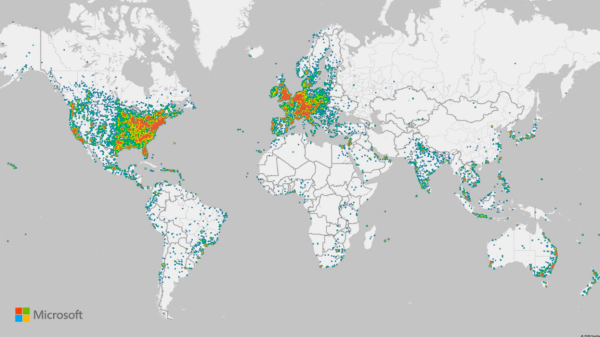
Microsoft seizes RedVDS infrastructure, disrupts fast-growing cybercrime marketplace
The service became a prolific tool for cybercriminals in the past year, as it facilitated thousands of attacks involving credential theft, account takeovers, mass phishing and payment…

Nigerian accused of hacking tax preparation businesses extradited to US
Former Army soldier pleads guilty to widespread attack spree linked to AT&T, Snowflake and others
Latest Podcasts
Government
FBI officials say AI is bolstering adversaries, emphasizing need to focus on cyber basics, patching
Feds accuse China of ‘systematic’ distillation of U.S. AI models
CIA’s Michael Ellis says cyber intelligence is changing how the agency operates
The G7 tells industry to hurry up and prep for post-quantum encryption
Technology
Threats
Policy
Whistleblower says USPS deploying new, ‘untested’ IT systems governing mail-in ballots
‘Watershed 250’ test program in Texas looks to private sector for water cybersecurity help
Former sexual abuse victims say Grok used their images, videos to train deepfake capabilities
Cyber threats nudge Trump to sign executive order on foreign equipment in U.S. energy infrastructure
Text extracted automatically; images, tables and formatting may be missing. Original: https://cyberscoop.com/cybercrime-demographics-bipoc-malwarebytes/