Federal court dismisses Trump DOJ lawsuit seeking California voter data
Full article1,194 words · extracted from cyberscoop.com · click to collapse
Get our latest cybersecurity news first on Google.
In a scathing opinion, Judge David Carter called the federal government’s demands for unredacted voter data “unprecedented and illegal.”
Listen to this article
0:00
Learn more.
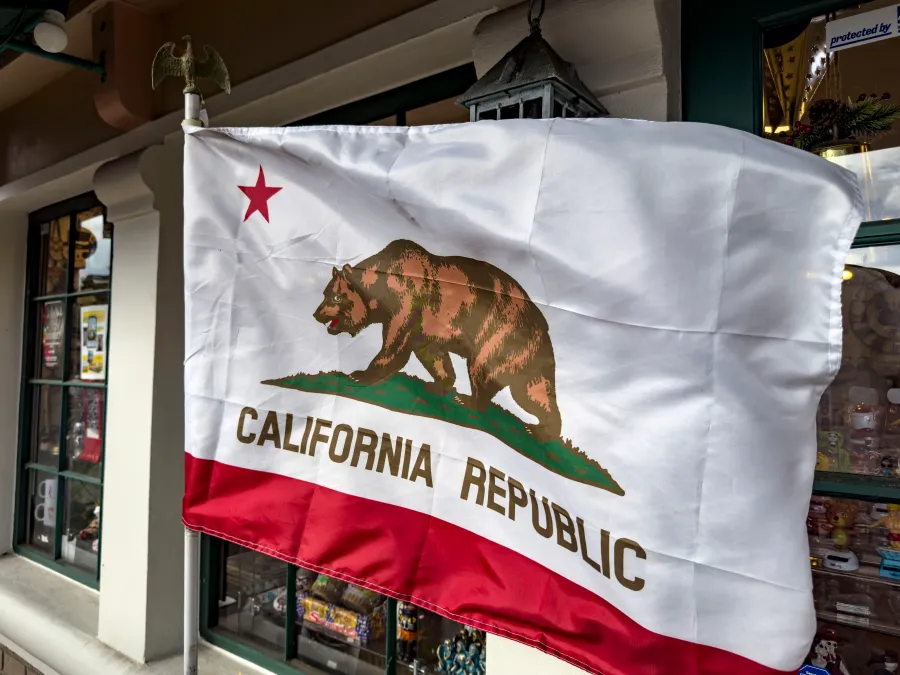
A federal court has thrown out a lawsuit brought by the Trump administration attempting to force the state of California to turn over sensitive voter data.
The decision, issued by the U.S. Central District Court of Southern California, is a major setback to the federal government’s massive data collection effort on American voters, and its argument that existing civil rights laws permit it to demand that information from states in the name of election integrity.
The ruling, signed by Judge David Carter, called voting “a fundamental political right” and stated flatly: “the government’s request is unprecedented and illegal.”
Carter noted that the civil rights laws the Department of Justice cited to justify its demand for the records were “to protect hard won civil rights victories allowing access to the ballot box,” not to give the executive branch or president unfettered access to voter data.
The opinion also described the breadth and scope of the government’s request as “unprecedented,” noting it was seeking information such as names, social security numbers, home addresses, voting history and “other sensitive information” for nearly 23 million Californians. While California officials offered the federal government redacted versions of the information, DOJ’s lawsuit asked for the full, unredacted copies of the records.
“The pieces of legislation at issue in this litigation were not passed as an unrestricted means for the Executive to collect highly sensitive information about the American people,” Carter wrote. “It is not for the Executive, or even this Court to authorize the use of civil rights legislation as a tool to forsake the privacy rights of millions of Americans. That power belongs solely to Congress.”
Last September, the federal government sued California Secretary of State Shirely Weber—one of dozens of state officials facing federal lawsuits for refusing to hand over unredacted voter data. The federal government claims the lawsuits are meant to ensure “clean” voter rolls and deter noncitizen voting and voter fraud, but neither it nor Trump have ever been able to prove their claims in court.
Election and legal experts have predicted that the administration’s efforts to compel states to hand voter records over to the federal government would face serious pushback in the courts, as the constitution explicitly empowers states and Congress to manage elections.
The League of Women Voters of California, the American Civil Liberties Union, the ACLU Foundation of Northern California, and the ACLU Foundation of Southern California brought a joint countersuit on behalf of voters to halt the DOJ’s demands. The groups argued state laws and federal privacy protection prohibited the disclosure of highly sensitive voter data.
In a joint statement following the decision, the groups hailed the win and said it “affirms that the federal government is not entitled to unfettered access to private voter data.”
“Voters should never have to choose between their privacy and their fundamental right to vote,” the statement said. “States must retain authority to manage elections in ways that safeguard sensitive information, and federal agencies must respect the limits on their power.”
Carter also issued a stark warning about the impact of adopting the Trump administration’s legal logic on ballot access, saying that “the taking of democracy does not occur in one fell swoop; it is chipped away piece-by piece until there is nothing left.”
“The case before the Court is one of these cuts that imperils all Americans,” Carter wrote. The erosion of privacy and rolling back of voting rights is a decision for open and public debate within the Legislative Branch, not the Executive. The Constitution demands such respect, and the Executive may not unilaterally usurp the authority over elections it seeks to do so here.”
The administration’s demand to states like California “goes far beyond what Congress intended” when it passed the underlying civil rights laws cited in the government’s justification, and citizens would rightly fear that the data could be misused by “executive fiat.”
“The centralization of this information by the federal government would have a chilling effect on voter registration which would inevitably lead to decreasing voter turnout as voters fear that their information is being used for some inappropriate or unlawful purpose,” Carter wrote in his conclusion.
More Scoops
Election official says Tina Peters would be consultant, won’t have access to election systems
Shasta County registrar Clint Curtis told CyberScoop he needs Peters to help manage the county’s 2026 elections and he’s not concerned about her past conviction.
SCOTUS tosses one of two injunctions against Trump USPS mail-in ballot rules
Postal Service moves to finalize mail ballot regs before SCOTUS ruling
Latest Podcasts
Government
Technology
Threats
Chinese espionage groups swarm to exploit triple-link chain of zero-days
Microsoft discloses two actively exploited zero-days among 974 vulnerabilities
Russian national extradited to US for alleged involvement in bank-account takeover scheme
Attackers exploit zero-days in consistently besieged SonicWall product
Policy
‘Watershed 250’ test program in Texas looks to private sector for water cybersecurity help
Former sexual abuse victims say Grok used their images, videos to train deepfake capabilities
Cyber threats nudge Trump to sign executive order on foreign equipment in U.S. energy infrastructure
Bipartisan Senate bill aims to prepare energy sector for Q-Day
Text extracted automatically; images, tables and formatting may be missing. Original: https://cyberscoop.com/federal-court-dismisses-trump-doj-lawsuit-seeking-california-voter-data/