Cyberattacks on Ukrainian websites come into clearer focus as Russia tensions escalate
Full article710 words · extracted from cyberscoop.com · click to collapse
Get our latest cybersecurity news first on Google.
Ukraine is more explicitly blaming Russia for the cyberattacks.
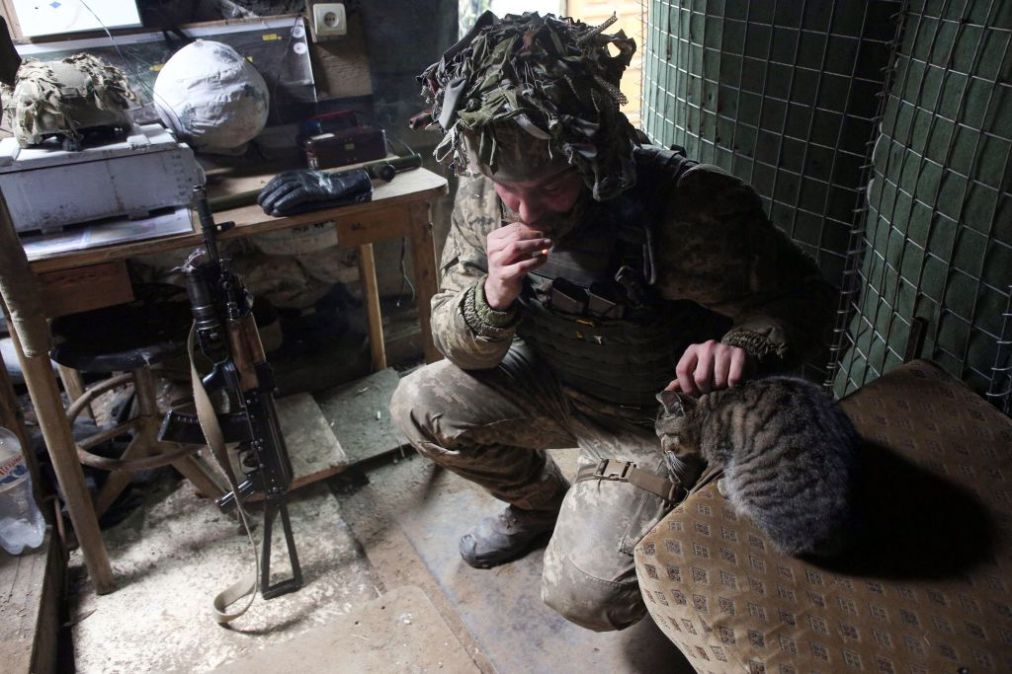
Cybersecurity researchers shed additional light over the weekend on the cyberattacks that disabled Ukrainian government websites, as Kyiv pointed to Russia as the culprit.
Microsoft and ESET both shared details on the nature of the malware that took the Ukrainian sites down.
Microsoft “assesses that the malware, which is designed to look like ransomware but lacking a ransom recovery mechanism, is intended to be destructive and designed to render targeted devices inoperable rather than to obtain a ransom,” the company wrote in a blog post Saturday.
However, Microsoft said it couldn’t yet attribute who was behind the malware, labeled WhisperGate. The Department of Homeland Security’s Cybersecurity and Infrastructure Agency recommended that network defenders review the Microsoft blog post, suggesting the possibility that the attacks could spread to include other targets.
ESET on Sunday elaborated further, saying that the malware the attackers contained code “commonly used by commodity e-crime malware.”
“It is likely that attackers were trying to avoid existing detections at the last moment before the attack, that’s why they used third party criminal services,” ESET said in a tweet thread.
Ukraine was more definitive in placing blame than Microsoft.
“All the evidence points to Russia being behind the cyberattack,” the Ukrainian digital transformation ministry said in a Sunday statement. “Moscow is continuing to wage a hybrid war.”
A Ukrainian official also told Reuters that signs point to the attacks being the work of a Belarusian intelligence-connected group known as Ghostwriter, a group that might have a Russian element.
The Kremlin has denied being involved.
The attacks on the Ukrainian government websites add to that nation’s hostilities with Russia, which U.S. intelligence believes is planning an invasion on the country’s eastern border. The incidents also surfaced around the same time Russia announced it had arrested ransomware gang members on its own soil alleged to be behind the Colonial Pipeline attack, raising suspicions that the Kremlin intends to use the arrests as diplomatic levers with the U.S., which has threatened sanctions should Russia invade Ukraine.
More Scoops

In a first, a court takedown goes after two cybercrime tools at once
Microsoft, with law enforcement and industry partners, disrupted more than 200 command and control servers for Amadey and StealC, often used in conjunction.
Multi-national warning issued over Russia’s targeting of logistics, tech firms
U.S. charges five Russian military members for destructive cyber ops, hack-and-leak campaigns
Latest Podcasts
Government
FBI officials say AI is bolstering adversaries, emphasizing need to focus on cyber basics, patching
CIA’s Michael Ellis says cyber intelligence is changing how the agency operates
The G7 tells industry to hurry up and prep for post-quantum encryption
Jail time for Maine child in 764 marks turning point in federal law enforcement
Technology
Threats
Policy
Whistleblower says USPS deploying new, ‘untested’ IT systems governing mail-in ballots
‘Watershed 250’ test program in Texas looks to private sector for water cybersecurity help
Former sexual abuse victims say Grok used their images, videos to train deepfake capabilities
Cyber threats nudge Trump to sign executive order on foreign equipment in U.S. energy infrastructure
Text extracted automatically; images, tables and formatting may be missing. Original: https://cyberscoop.com/ukraine-russia-cyberattack-microsoft-eset/