CISA, FBI warns of Chinese
Full article670 words · extracted from cyberscoop.com · click to collapse
Get our latest cybersecurity news first on Google.
The new guidance aims to help owners and operators protect themselves against risks.
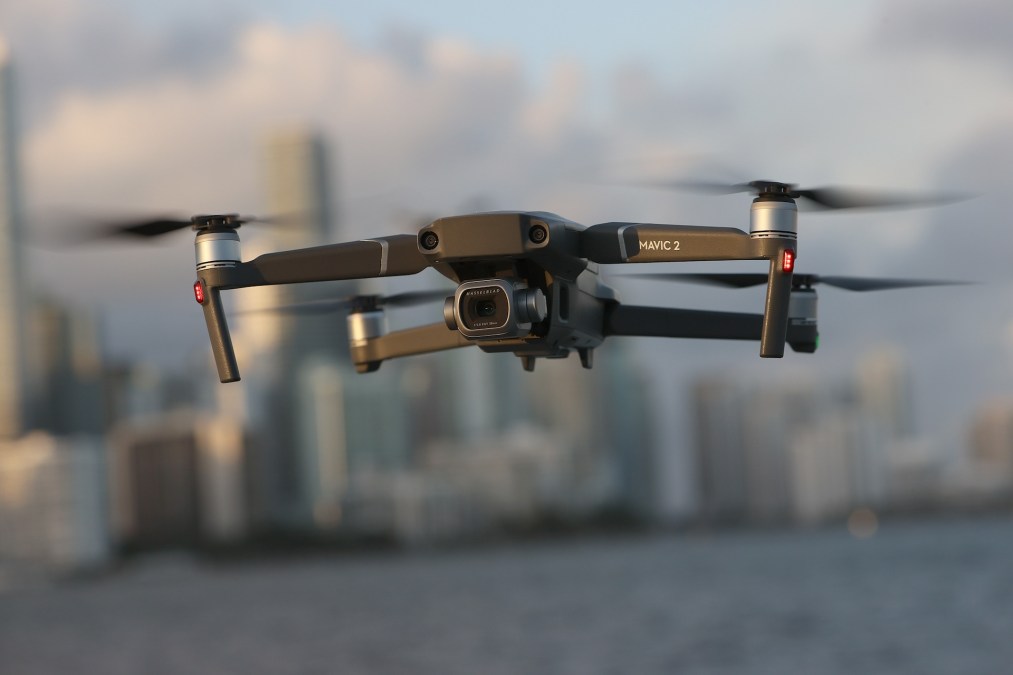
The Cybersecurity and Infrastructure Security Agency and the FBI are warning about potential threats from Chinese-made drones on critical infrastructure.
In new guidance issued Wednesday, CISA and the FBI warned that Beijing could use drones to obtain sensitive information from critical infrastructure sites. The guidance is meant to assist critical infrastructure owners and operators to reduce the risk from those drones, and it encourages buying from U.S. companies.
“Our nation’s critical infrastructure sectors, such as energy, chemical and communications, are increasingly relying on [Unmanned Aircraft Systems] for various missions that ultimately reduce operating costs and improve staff safety,” David Mussington, executive assistant director for infrastructure security at CISA, said in a statement. “However, the use of Chinese-manufactured UAS risks exposing sensitive information that jeopardizes U.S. national security, economic security, and public health and safety.”
Concerns over Chinese-made drones have long been a concern for critical infrastructure sectors as the use in industrial facilities grows. One such company, Da Jiang Innovations, which is headquartered in Shenzhen, China, garnered additional attention as the tech company dominated the commercial drone market. The Commerce Department added DJI to the export control list back in 2020 because of national security concerns.
The report also comes amid increasing concerns that China is actively preparing for destructive attacks against critical infrastructure. Recent intrusions by Chinese threat actors like Volt Typhoon shows that Beijing has been targeting critical infrastructure sectors in a way that is more destructive than espionage-focused.
The guidance warns about the potential information collection threats due to regulations in China that require companies to hand over data. Such data, the guidance warns, is “essential to the [People’s Republic of China’s] Military-Civil Fusion strategy, which seeks to gain a strategic advantage over the United States by facilitating access to advanced technologies and expertise.” The guidance warns that such devices could help China spy on critical infrastructure facilities.
State-backed hackers could also learn about vulnerabilities in such drones before they are made public, the report warned. Additionally, updates from Chinese manufacturers or vendors controlled by China could introduce data-collection capabilities in a drone.
“Without mitigations in place, the widespread deployment of Chinese-manufactured UAS in our nation’s key sectors is a national security concern, and it carries the risk of unauthorized access to systems and data,” Bryan Vorndran, assistant director of the FBI’s Cyber Division, said in a statement.
The concern over drones led to the passage of the American Security Drone Act in the annual National Defense Authorization Act, which prohibits federal entities from purchasing or using drones made by foreign entities.
Latest Podcasts
Government
FBI officials say AI is bolstering adversaries, emphasizing need to focus on cyber basics, patching
CIA’s Michael Ellis says cyber intelligence is changing how the agency operates
The G7 tells industry to hurry up and prep for post-quantum encryption
Jail time for Maine child in 764 marks turning point in federal law enforcement
Technology
Threats
Policy
Whistleblower says USPS deploying new, ‘untested’ IT systems governing mail-in ballots
‘Watershed 250’ test program in Texas looks to private sector for water cybersecurity help
Former sexual abuse victims say Grok used their images, videos to train deepfake capabilities
Election official says Tina Peters would be consultant, won’t have access to election systems
Text extracted automatically; images, tables and formatting may be missing. Original: https://cyberscoop.com/cisa-drone-critical-infrastructure-warning/