White House expected to issue executive order reining in spyware
Full article1,046 words · extracted from cyberscoop.com · click to collapse
Get our latest cybersecurity news first on Google.
The prospect of an executive order limiting use of spyware within U.S. intelligence unleashes potentially even more debate in Washington.
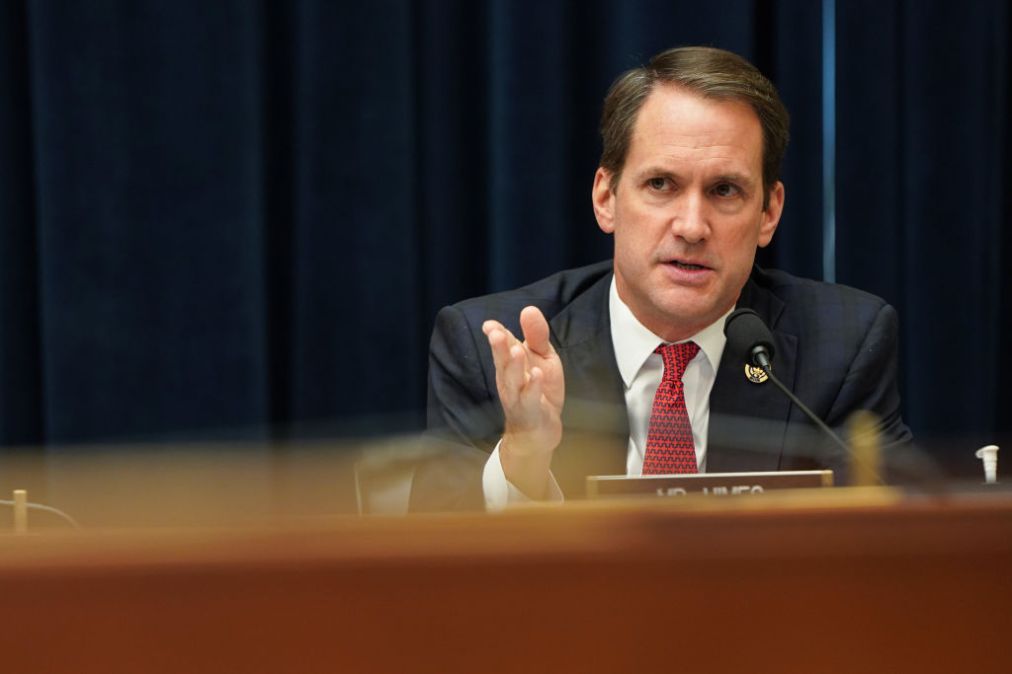
The Biden administration plans to issue an executive order restricting how federal agencies can use spyware that poses security risks to the U.S., according to a letter sent to House Intelligence Committee leaders.
According to the letter from the Departments of State and Commerce shared with CyberScoop by Rep. Jim Himes, D-Conn., the forthcoming order plans to “prohibit U.S. Government operational use of commercial spyware that poses counterintelligence or security risks to the United States or risks of being used improperly.”
The letter does not define what would amount to improper use or what these security risks entail — potentially leaving opportunities for the U.S. government to still deploy spyware. Nonetheless, the measure would entail the latest effort by the Biden administration to address the privacy risks posed by highly intrusive software used by law enforcement and intelligence agencies around the world.
The prospect of an executive order limiting the use of spyware would likely set up an intense debate among law enforcement and intelligence agencies interested in the technology and surveillance watchdogs in Congress.
The letter — a response to a September request by Himes and a bipartisan group of 13 members of the House Permanent Select Committee on Intelligence expressing concerns about addressing the “unethical uses” of commercial spyware — did not provide a timeline for signing the executive order.
The White House’s National Security Council did not respond to a request for comment.
Foreign governments’ growing use of spyware to surveil dissidents, activists and politicians has raised alarms in Washington and led to growing concerns about how American adversaries could weaponize the technology against U.S. citizens and allies. The U.S. government last year blacklisted Candiru and NSO Group, two Israeli spyware firms, after several high-profile incidents of autocratic governments using NSO Group’s Pegasus software to spy on political opponents, activists and dissidents.
But there is evidence that the U.S. government is interested in deploying these technologies as well, partly in response to the increasing difficulty of obtaining evidence from encrypted devices and messaging services.
The FBI confirmed earlier this year that it had obtained a license for Pegasus, the flagship product of Israel’s NSO Group that has been linked to a long list of privacy and human rights abuses. But FBI Director Christopher Wray told Congress that the agency never used the software and had only obtained the software to better understand how it worked.
But according to a New York Times report from last week, the FBI appears to have come close to deploying the tool and drew up guidelines for federal prosecutors on how the FBI would use the NSO group’s hacking tools, stoking fears that the U.S. government may embrace the use of invasive spyware.
“If you are going to use a tool like this — let’s say for law enforcement purposes — you better build the Fourth Amendment protections around the use of it, which we have not really been able to do,” Himes said on Thursday at an event hosted by the Center for a New American Security. The conversation as to “whether” and “under what circumstances” law enforcement should use commercial spyware is ongoing, Himes said.
Himes added that it would be negligent for the U.S. to not examine the technology from a research and development standpoint: “I don’t want any technology out there that our people don’t understand.”
Himes said that his legislative priorities include passing a provision in the 2023 Intelligence Authorization Act that would give the president the discretionary authority to sanction persons or entities who trade in spyware or contribute to the construction or deployment of spyware.
More Scoops

European parliament members call for slowdown of Serbia’s EU entry over spyware use
The letter follows revelations about Serbian student activists being infected with Pegasus and NoviSpy, and coincides with other pressures on Belgrade.

Pegasus, NoviSpy variant spyware found on devices of Serbian activists

Dem senators criticize Trump administration decisionmaking on AI security risks
Latest Podcasts
Government
FBI officials say AI is bolstering adversaries, emphasizing need to focus on cyber basics, patching
Feds accuse China of ‘systematic’ distillation of U.S. AI models
CIA’s Michael Ellis says cyber intelligence is changing how the agency operates
The G7 tells industry to hurry up and prep for post-quantum encryption
Technology
FCC proposes public scorecard to rate telecoms on anti-robocall efforts
Wyden seeks upgraded NSA security guidance on commercial VPN use
The Collective Cyber Defense letter wrote your next vendor questionnaire
Former sexual abuse victims say Grok used their images, videos to train deepfake capabilities
Threats
Policy
Whistleblower says USPS deploying new, ‘untested’ IT systems governing mail-in ballots
‘Watershed 250’ test program in Texas looks to private sector for water cybersecurity help
Cyber threats nudge Trump to sign executive order on foreign equipment in U.S. energy infrastructure
Election official says Tina Peters would be consultant, won’t have access to election systems
Text extracted automatically; images, tables and formatting may be missing. Original: https://cyberscoop.com/white-house-spyware-executive-order-himes/