Munich Security Conference attendees targeted with Iran
Full article725 words · extracted from cyberscoop.com · click to collapse
Get our latest cybersecurity news first on Google.
Double check that high-profile "invite" in your inbox.
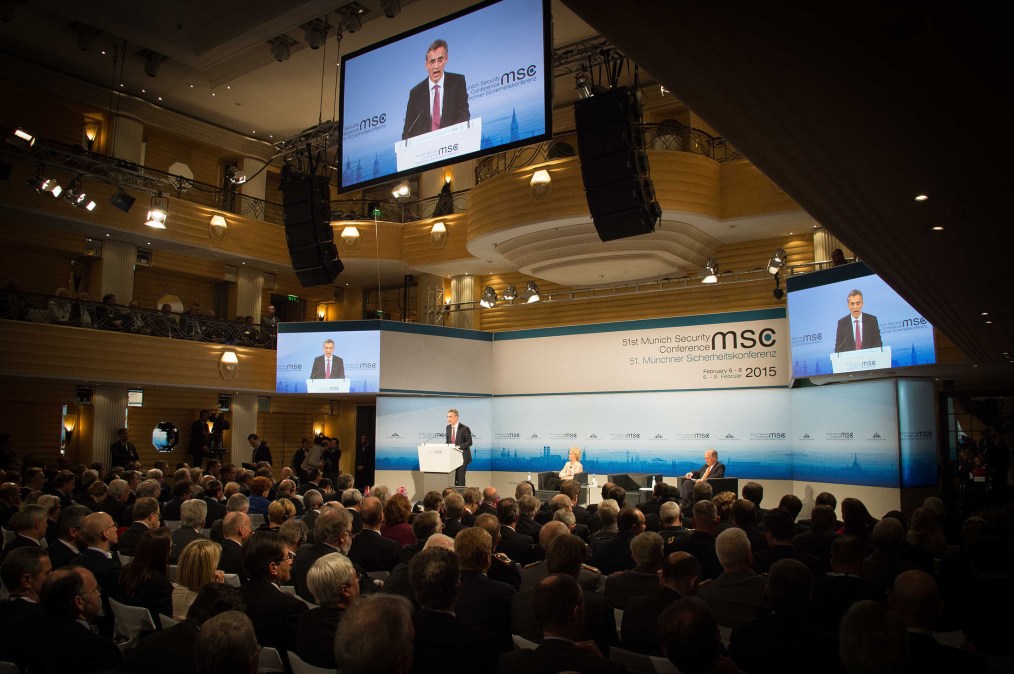
Iranian government-linked hackers have been sending spearphishing emails to large swaths of high-profile potential attendees of the upcoming Munich Security Conference as well as the Think 20 Summit in Saudi Arabia, according to Microsoft research.
The Iranian attackers, known as Phosphorous, have disguised themselves as conference organizers and have sent fake invitations containing PDF documents with malicious links to over 100 possible invitees of the conferences, both of which are prominent summits dedicated to international security and policies of the world’s largest economies, respectively.
In some cases the attackers have been successful in guiding some victims to those links, which lead victims to credential-harvesting pages, Tom Burt, corporate vice president of Microsoft Security and Trust announced in a blog published Wednesday morning.
“We believe Phosphorus is engaging in these attacks for intelligence collection purposes,” Burt wrote in the blog. “The attacks were successful in compromising several victims, including former ambassadors and other senior policy experts who help shape global agendas and foreign policies in their respective countries.”
It’s the kind of attack that can give the government-linked hackers access to the inboxes of high-profile former government officials, policy experts, academics, and NGO leaders, Burt said.
Microsoft did not say what information, if any, the attackers successful stole from victims.
It was just the latest example of Phosphorous targeting non-governmental entities — the group has been known to target journalists and researchers who focus on Iran in the past, for instance.
The hackers typically also go after entities in the military, energy, business services, and telecommunications sectors throughout the U.S. and the Middle East, according to previous FireEye research. The Iranian government-linked hackers tend to conduct long-term strategic intelligence gathering, according to FireEye.
Although Microsoft is releasing the information on the threat to Munich Security Conference attendees in close proximity to the U.S. presidential elections, Microsoft researchers do not believe this specific campaign is linked with the election.
But the same hackers behind this operation, also known as APT35 or Charming Kitten, have targeted associates of President Donald Trump’s reelection campaign before, according to previous Microsoft and Google research. In recent months the hackers have targeted the Trump campaign, according to research Microsoft published last month and Google research published in June. The same group was targeting journalists and the email accounts of people associated with the Trump campaign one year ago as well.
More Scoops

Iranian hackers ‘tickle’ targets in US, UAE with custom tool, Microsoft says
Peach Sandstorm is said to have focused on the oil and gas, satellite, government and communications sectors.
Iranian hackers impersonate journalists in social engineering campaign

Microsoft: Iranian espionage campaign targeted satellite and defense sectors
Latest Podcasts
Government
FBI officials say AI is bolstering adversaries, emphasizing need to focus on cyber basics, patching
Feds accuse China of ‘systematic’ distillation of U.S. AI models
CIA’s Michael Ellis says cyber intelligence is changing how the agency operates
Jail time for Maine child in 764 marks turning point in federal law enforcement
Technology
Threats
Policy
Whistleblower says USPS deploying new, ‘untested’ IT systems governing mail-in ballots
‘Watershed 250’ test program in Texas looks to private sector for water cybersecurity help
Former sexual abuse victims say Grok used their images, videos to train deepfake capabilities
Cyber threats nudge Trump to sign executive order on foreign equipment in U.S. energy infrastructure
Text extracted automatically; images, tables and formatting may be missing. Original: https://cyberscoop.com/munich-security-conference-phishing-iran-apt35/