U.S. intel community is looking back to see if past elections were hacked
Full article1,009 words · extracted from cyberscoop.com · click to collapse
Get our latest cybersecurity news first on Google.
The U.S. intelligence community has begun conducting a comprehensive, historical review of past hacking attempts against U.S. presidential elections dating as far back as at least 2008, White House deputy press secretary Eric Schultz said Friday. This report will be completed by the end of President Obama’s tenure and its results will be shared with congress, respective stakeholders and in a redacted form for review by the American public.
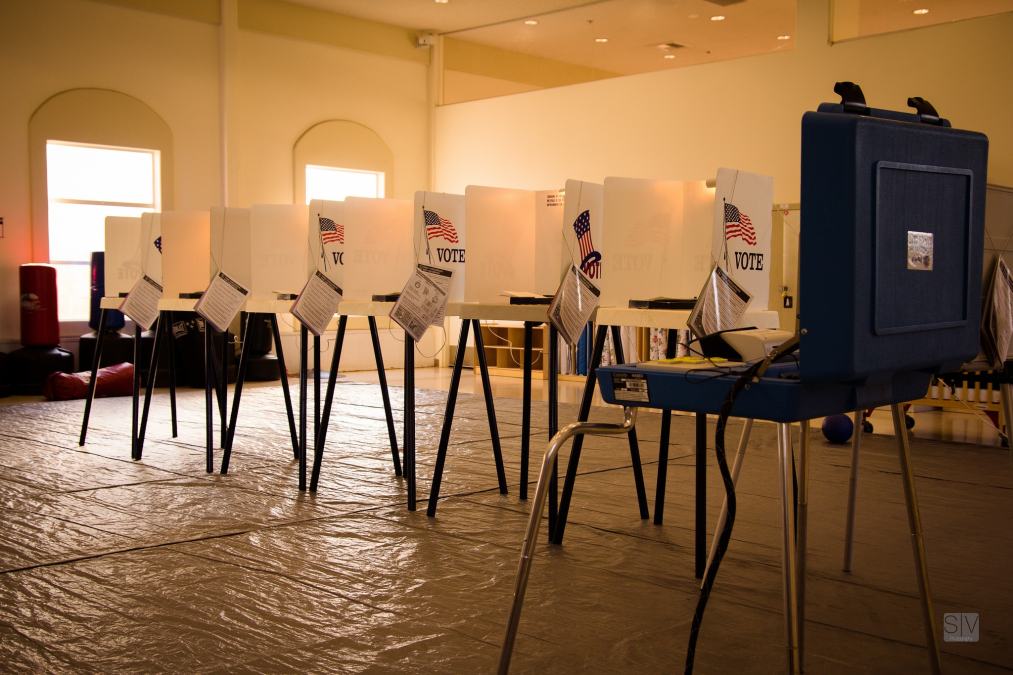
The U.S. intelligence community has begun conducting a comprehensive, historical review of past hacking attempts against U.S. presidential elections dating as far back as at least 2008, the White House said Friday. This report will be completed by the end of President Barack Obama’s tenure and its results will be shared in full with Congress and other stakeholders — and in a redacted format for review by the American public.
Obama ordered the report from the U.S. intelligence community earlier this week. The president’s motivation to do so was unrelated to recently announced efforts that lawmakers organized to independently investigate malicious cyber activity directed at the most recent presidential election, said deputy press secretary Eric Schultz.
Regarding calls from Senate and House lawmakers to be briefed on these investigations, Schultz said the White House is already in talks with some congressional committees.
In an emailed statement to CyberScoop, Sen. Mark Warner, D-Va., said that while he is pleased by the president’s plan, Congress must also play a “proactive role” in the investigation. Warner is the incoming vice chairman of the Senate Select Committee on Intelligence.
“I know that one of the primary missions of the intelligence professionals in this country is to render their best professional judgment, regardless of political considerations. I look forward to working in a bipartisan manner to ensure this matter is thoroughly investigated,” Warner said.
Though there is no evidence to suggest any related incidents occurred in 2012 or 2016 on a scale large enough to impact the outcome, the White House would like to apply new information and technical capabilities for greater context. The apparent objective is to uncover any potential pattern of digital interference, evident across multiple elections.
It is the White House’s hope that information contained in the report may be used to inform future administration on how to best protect the U.S. in cyberspace.
Schultz added that while the Obama administration will look to build upon recommendations issued in the report recently published by the Commission on Enhancing National Cybersecurity, the next presidency will have its own set of choices for funding, developing and prioritizing cybersecurity-related initiatives.
In the run-up to the 2008 presidential election, computer systems relied upon by the campaign staff for both Obama and his opponent, Sen. John McCain, R-Ariz., were hacked by a nation-state. At the time, it was widely reported that Chinese hackers caused the data breaches.
A number of other countries, including Germany, are worried about similar attempts in their own upcoming elections.
The results of the White House’s report will be eventually shared with state and local election administrators across the U.S. But Schultz declined to say whether the Trump transition team was aware that such an investigation would occur.
A current member of the Senate Intelligence panel said Congress should keep the pressure up.
“Over the past six months I’ve become increasingly concerned by efforts of the Russian government to influence our election, and I agree with the Director of National Intelligence and the Secretary of Homeland Security that only the senior-most government officials in Russia could have ordered this effort,” Sen. Dianne Feinstein, D-Calif., said in a statement. “I believe we need to understand exactly what happened, how it occurred and how we can prevent it from happening again.”
More Scoops
House intel bill includes provisions on state and local threat intelligence, election security, AI
The House Intelligence Committee advanced its fiscal 2027 authorization legislation Monday.

Dems press DNI nominee Jay Clayton on election security questions, but leave dismayed
States are building their own election defense networks as federal support evaporates
Latest Podcasts
Government
FBI officials say AI is bolstering adversaries, emphasizing need to focus on cyber basics, patching
Feds accuse China of ‘systematic’ distillation of U.S. AI models
CIA’s Michael Ellis says cyber intelligence is changing how the agency operates
The G7 tells industry to hurry up and prep for post-quantum encryption
Technology
Threats
Policy
Whistleblower says USPS deploying new, ‘untested’ IT systems governing mail-in ballots
‘Watershed 250’ test program in Texas looks to private sector for water cybersecurity help
Former sexual abuse victims say Grok used their images, videos to train deepfake capabilities
Cyber threats nudge Trump to sign executive order on foreign equipment in U.S. energy infrastructure
Text extracted automatically; images, tables and formatting may be missing. Original: https://cyberscoop.com/u-s-intel-community-looking-back-see-past-elections-hacked/