DOJ beefs up efforts to combat criminal use of cryptocurrencies
Full article1,097 words · extracted from cyberscoop.com · click to collapse
Get our latest cybersecurity news first on Google.
The work is part of DOJ's plan to target the infrastructure supporting cybercrime.
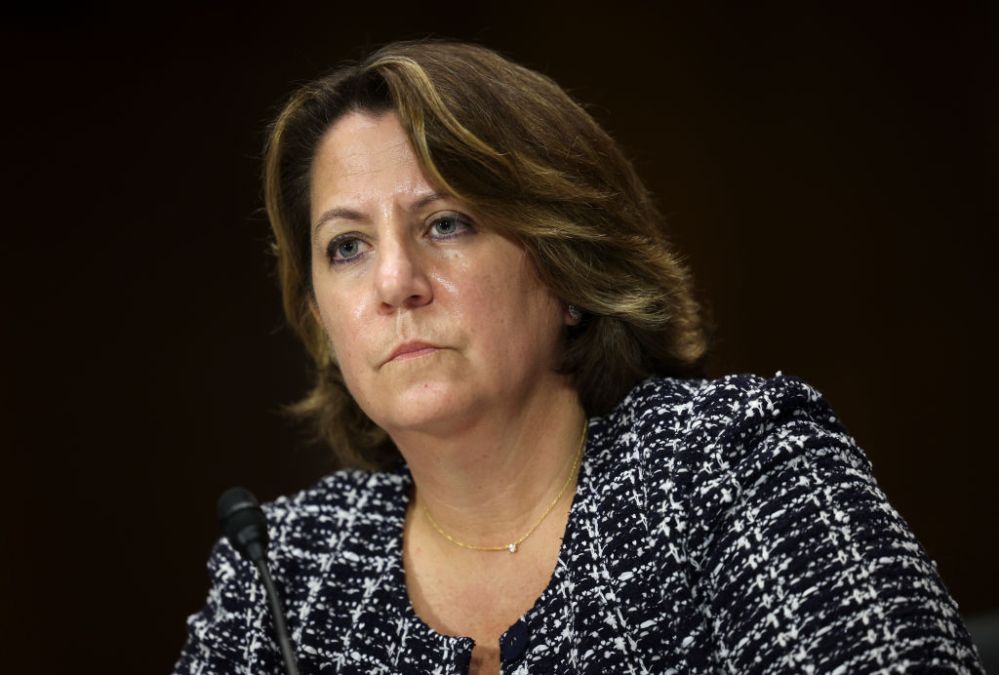
The U.S. government is intensifying efforts to combat the criminal use of cryptocurrencies as federal prosecutors continue to target the business models and logistics of cybercrimes such as ransomware, Deputy Attorney General Lisa Monaco said Thursday.
Speaking at the Munich Cyber Security Conference to announce several key developments in the government’s approach, Monaco said that the National Cryptocurrency Enforcement Team (NCET) — unveiled in October as part of an overall U.S. government to focus its resources on combatting ransomware operators — is getting its first director: Eun Young Choi.
Choi is a seasoned federal cybersecurity prosecutor who most recently led the prosecution of Andrei Tyurin, a Russian national convicted of computer intrusion, wire fraud and other charges related to the theft of personal data from over 100 million customers of major U.S. financial firms. He was sentenced to 12 years in prison in January 2021.
“Ransomware and digital extortion — like many other crimes that are fueled by cryptocurrency — only work if the bad guys get paid,” Monaco said. “Which means we have to bust their business model.”
The team is now up to a dozen prosecutors, Monaco said, some of whom are involved in the case against the New York City couple arrested and accused of conspiring to launder $4.5 billion worth of cryptocurrency stolen in 2016 during the hack of cryptocurrency exchange Bitfinex. The Department of Justice said it had seized more than $3.6 billion in cryptocurrency as part of the case, its largest recovery to date.
In announcing the arrests on Feb. 8, U.S. Attorney for the District of Columbia Matthew Graves said cryptocurrency and virtual currency exchanges are “an expanding part of the U.S. financial system, but digital currency heists executed through complex money laundering schemes could undermine confidence in cryptocurrency.” As such, he said, the DOJ needs to use “21st century investigative techniques to recover the stolen funds and to hold the perpetrators accountable.”
Monaco also said that the DOJ would more proactively think about disrupting cybercrimes in action, even if it meant foregoing prosecution.
“Moving forward, prosecutors, agents, and analysts will now assess — at each stage of a cyber investigation — whether to use disruptive actions against cyber threats, even if they might otherwise tip the cybercriminals off and jeopardize the potential for charges and arrests,” she said.
Monaco further announced that the FBI is forming the Virtual Asset Exploitation Unit, an effort to combine cryptocurrency experts in areas such as equipment, blockchain analysis and virtual asset seizure in one place to work investigations and provide training to the rest of the FBI. The group will work closely with the NCET, she said.
Additionally, the DOJ will launch an International Virtual Currency Initiative to foster international law enforcement operations to track money through the blockchain, and work to regulate and beef up anti-money laundering requirements regarding cryptocurrency, she said.
Monaco also said that she was “absolutely concerned” about potential cyberattack “spillover” if the Russian government launches serious cyberattacks against Ukraine as part of any military incursion there, likening it to the 2017 NotPetya attack that was targeted against Ukraine but affected networks around the world and causing billions in damages.
Monaco said any attacks on critical infrastructure are “unacceptable and will be met with response.” Additionally, given the “very high tensions we are experiencing,” companies of any size would be “foolish not to be preparing right now,” to increase defenses, install patches and monitor for cybersecurity defenses and incidents.
In response to a question about the Russian government’s recent crackdown on Russian-based cybercriminals, Monaco said that “in the complex geopolitical environment we’re in, I think we need to consider the timing of those actions.” The U.S. government welcomes the arrests, she said, but “whatever the signal intended,” the U.S. government’s signal is “clear” in that it will continue to aggressively target international cybercriminals.
Update, 2/17/2022: With Monaco’s answers to questions about the ongoing crisis in Ukraine and Russian government crackdown on cybercrime.
More Scoops
Snowflake hacker pleads guilty, faces up to 32 years in prison
Connor Moucka obtained almost $500,000 for playing a key role in one of the most widespread and damaging cyberattack sprees on record.

Justice Department seizes infrastructure used by cyber scam and criminal marketplace
US, France, and Italian authorities shut down massive deepfake porn site
Latest Podcasts
Government
FBI officials say AI is bolstering adversaries, emphasizing need to focus on cyber basics, patching
Feds accuse China of ‘systematic’ distillation of U.S. AI models
CIA’s Michael Ellis says cyber intelligence is changing how the agency operates
The G7 tells industry to hurry up and prep for post-quantum encryption
Technology
Threats
Microsoft discloses two actively exploited zero-days among 974 vulnerabilities
Russian national extradited to US for alleged involvement in bank-account takeover scheme
Attackers exploit zero-days in consistently besieged SonicWall product
Jail time for Maine child in 764 marks turning point in federal law enforcement
Policy
Whistleblower says USPS deploying new, ‘untested’ IT systems governing mail-in ballots
‘Watershed 250’ test program in Texas looks to private sector for water cybersecurity help
Former sexual abuse victims say Grok used their images, videos to train deepfake capabilities
Cyber threats nudge Trump to sign executive order on foreign equipment in U.S. energy infrastructure
Text extracted automatically; images, tables and formatting may be missing. Original: https://cyberscoop.com/doj-combat-criminal-cryptocurrency-ransomware/