Sen. Hassan wants to hear from SpaceX about scammers abusing Starlink
Full article634 words · extracted from cyberscoop.com · click to collapse
Get our latest cybersecurity news first on Google.
Listen to this article
0:00
Learn more.
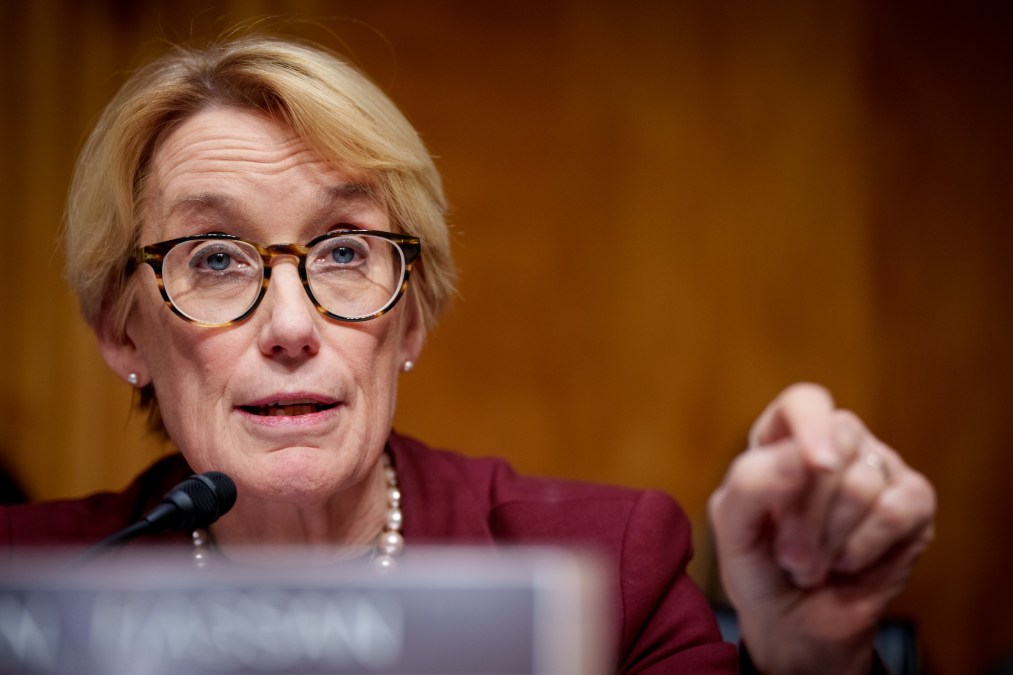
It’s time for SpaceX to take strong action against scammers abusing the company’s Starlink internet service, Sen. Maggie Hassan said in a letter to CEO Elon Musk on Monday.
The New Hampshire Democrat cited evidence accumulating over the past two years that some Southeast Asian fraudsters scamming billions of dollars from U.S. citizens have leaned on Starlink due to its independence from national telecommunications networks, decentralized structure and the ability to use it on the go.
Media outlets and government officials have turned up Starlink equipment at scam compounds that are largely centered in Southeast Asia, and a United Nations Office on Drugs and Crime report last fall highlighted the trend.
“While SpaceX has stated that it investigates and deactivates Starlink devices in various contexts, it seemingly has not publicly acknowledged the use of Starlink for scams originating in Southeast Asia — or publicly discussed actions the company has taken in response,” Hassan wrote. “Scam networks in Myanmar, Thailand, Cambodia, and Laos, however, have apparently continued to use Starlink despite service rules permitting SpaceX to terminate access for fraudulent activity.”
Scam compounds have been getting increased attention from Southeast Asian governments and nonprofit organizations in recent months, but there are also signs that the crackdowns aren’t keeping up with the industry’s evolution.
A human rights group last week reported data showing that the scammers’ use of Starlink has more than doubled since Thailand began cutting internet cables to cripple their operations.
SpaceX didn’t immediately respond to a request for comment Monday, and has not responded to past media questions about Southeast Asian scammers using Starlink.
Hassan wants to know whether SpaceX was aware of the scammers using Starlink and if so, when it first knew it, its policies for investigating and restricting the use of Starlink devices, what it’s done to work with law enforcement agencies on the problem and more. She sits on the Senate Homeland Security and Governmental Affairs Committee.
Much of the cybersecurity-related attention SpaceX has received this year is as a potential target of cyberattacks, particularly after White House security experts warned of the security risks of installing Starlink there and President Donald Trump said he would continue using the service.
SpaceX has a web page dedicated to Starlink-related scams of another sort.
Latest Podcasts
Government
FBI officials say AI is bolstering adversaries, emphasizing need to focus on cyber basics, patching
Feds accuse China of ‘systematic’ distillation of U.S. AI models
CIA’s Michael Ellis says cyber intelligence is changing how the agency operates
Jail time for Maine child in 764 marks turning point in federal law enforcement
Technology
Threats
Chinese espionage groups swarm to exploit triple-link chain of zero-days
Microsoft discloses two actively exploited zero-days among 974 vulnerabilities
Russian national extradited to US for alleged involvement in bank-account takeover scheme
Attackers exploit zero-days in consistently besieged SonicWall product
Policy
Whistleblower says USPS deploying new, ‘untested’ IT systems governing mail-in ballots
‘Watershed 250’ test program in Texas looks to private sector for water cybersecurity help
Cyber threats nudge Trump to sign executive order on foreign equipment in U.S. energy infrastructure
Election official says Tina Peters would be consultant, won’t have access to election systems
Text extracted automatically; images, tables and formatting may be missing. Original: https://cyberscoop.com/starlink-scammers-maggie-hassan-elon-musk/