Pentagon bars Huawei, ZTE devices from sale on military bases
Full article810 words · extracted from cyberscoop.com · click to collapse
Get our latest cybersecurity news first on Google.
The news comes as the U.S. government scrutinizes the two companies for potentially enabling Chinese espionage through their technology.
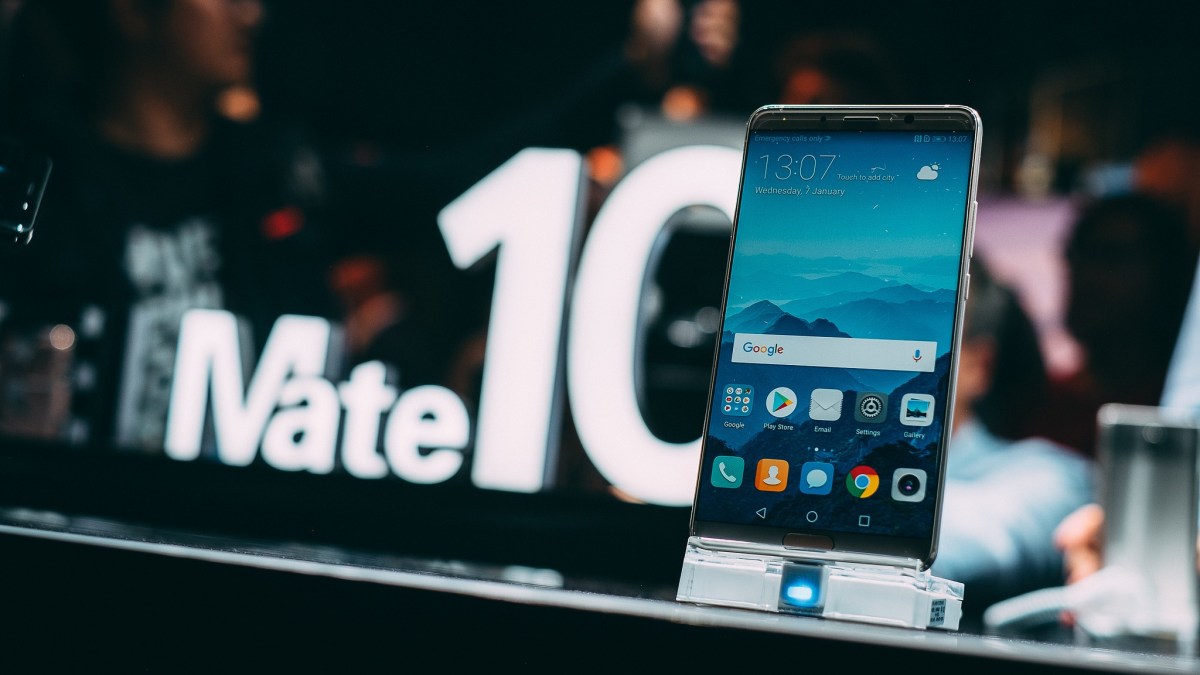
The Department of Defense is telling vendors on military bases to stop selling smartphones and other devices made by Chinese companies Huawei and ZTE, citing security concerns, according to a Pentagon statement.
The news comes as the U.S. government scrutinizes the two companies for potentially enabling Chinese espionage through their technology.
“Huawei and ZTE devices may pose an unacceptable risk to Department’s personnel, information and mission,” Pentagon spokesperson Major David Eastburb said in a statement. “In light of this information, it was not prudent for the Department’s exchanges to continue selling them to DoD personnel.”
Pentagon-affiliated news outlet Stars and Stripes reported last month that Huawei phones were being sold by a TKS, a vendor to U.S. military bases in Germany. The company markets telecommunications services and devices to U.S. service members abroad.
Eastburn says the order to stop selling Huawei-made phones, modems and other devices went out on Friday and the DOD’s three exchange services immediately complied.
“These products were removed from exchange service stores and exchange concessionaires worldwide,” Eastburn said.
The order does not ban personnel from buying and using products from other locations, nor does it ban their use on bases. Nonetheless, Eastburn said that “Service members should be mindful of the security risks posed by the use of Huawei devices, regardless of where they were purchased.”
He added that the Pentagon is considering whether another advisory is necessary regarding the department-wide use of the devices.
Reached by email, a Huawei spokesperson did not comment on the military base ban, but spurned the notion that the company has a compromising relationship with the Chinese government.
“Huawei’s products are sold in 170 countries worldwide and meet the highest standards of security, privacy and engineering in every country we operate globally including the US,” the spokespeson said. “We remain committed to openness and transparency in everything we do and want to be clear that no government has ever asked us compromise the security or integrity of any of our networks or devices.”
ZTE and TKS did not respond to requests for comment.
Intelligence officials from six agencies testified in February that they would warn the public against using Huawei or ZTE products due to their potential ties to the Chinese government.
“We’re deeply concerned about the risks of allowing any company or entity that is beholden to foreign governments that don’t share our values to gain positions of power inside our telecommunications networks,” FBI director Christopher Wray said at the Senate Intelligence Committee hearing.
Bills have been introduced in both the Senate and House aiming to prevent companies from contracting with the U.S. government if they use Huawei or ZTE equipment.
Similarly, the Federal Communications Commission is mulling a proposal to ban companies from using its $8.5 billion Universal Service Fund — a subsidy for rural and high-cost areas — if they use equipment from companies that “pose a national security threat to United States communications networks or the communications supply chain.” The FCC does not name Huawei or ZTE in the draft proposal, but it does in an accompanying fact sheet.
Separately, the Commerce Department last month issued a seven-year ban U.S. companies selling to ZTE. The export controls were in response to ZTE’s alleged failure to comply with a March 2017 settlement, in which it pleaded guilty to illegally shipping U.S.-origin equipment to Iran and North Korea.
Latest Podcasts
Government
Technology
Threats
Chinese espionage groups swarm to exploit triple-link chain of zero-days
Microsoft discloses two actively exploited zero-days among 974 vulnerabilities
Russian national extradited to US for alleged involvement in bank-account takeover scheme
Attackers exploit zero-days in consistently besieged SonicWall product
Policy
Whistleblower says USPS deploying new, ‘untested’ IT systems governing mail-in ballots
‘Watershed 250’ test program in Texas looks to private sector for water cybersecurity help
Former sexual abuse victims say Grok used their images, videos to train deepfake capabilities
Cyber threats nudge Trump to sign executive order on foreign equipment in U.S. energy infrastructure
Text extracted automatically; images, tables and formatting may be missing. Original: https://cyberscoop.com/huawei-zte-pentagon-ban-military-bases/