Cyber Command urges private sector to share intelligence, aid defensive digital operations
Full article876 words · extracted from cyberscoop.com · click to collapse
Get our latest cybersecurity news first on Google.
Cyber Command Executive Director Dave Frederick emphasized that Cyber Command relies on the private sector for intelligence and said he hopes more companies will report cyber incidents.
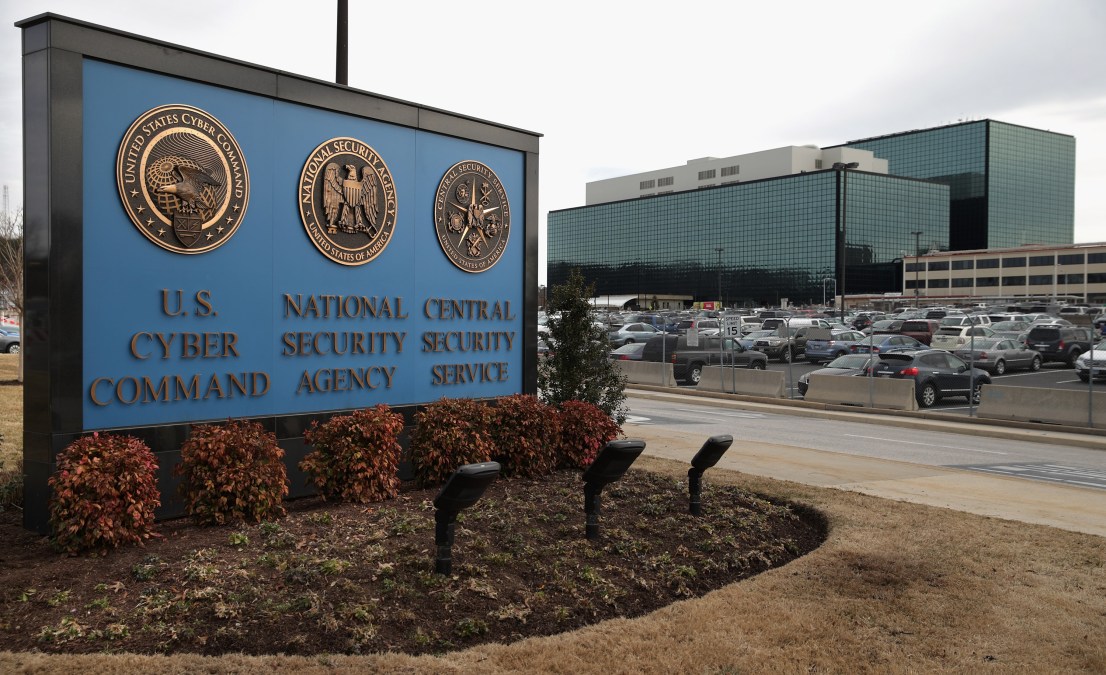
U.S. Cyber Command wants more tech companies and others on the front lines of the global fight to secure the internet to share more cybersecurity intelligence so that the organization can improve its defensive capabilities, Cyber Command Executive Director Dave Frederick said in an interview Monday.
Frederick said Cyber Command regularly shares information it gleans during so-called “hunt forward” operations, defensive cyber missions carried out alongside partners, but needs more private companies to fully report cyber incidents so that Cyber Command can learn from them.
Frederick, who was speaking during an industry webinar organized by Billington CyberSecurity, said the 27 hunt forward operations Cyber Command has conducted in the past two years have empowered partner countries to “immediately strengthen the defenses of their networks” and have given Cyber Command “unique insights into adversary malware which we then bring home.”
Those insights inform not only Department of Defense cyber defense strategy, but also are shared with the private sector, he said.
“We’re able to share the indicators of compromise, new samples of malware that we discover from hunt forward, with the broader cybersecurity community, and they’re able to then build signatures to detect that malware and basically disrupt adversary operations targeting the U.S. civil sector,” Frederick said. “It’s almost like giving an antidote to a virus, so it’s really turned out to be a great model.”
Hunt forward missions began in 2018 as part of Cyber Command’s work to enhance election security and have expanded since then, Frederick said. So far, Cyber Command has partnered with 16 countries, covering 50 different networks, including in Estonia, Montenegro and Ukraine.
Last month, Cyber Command chief Gen. Paul Nakasone said that a hunt forward team traveled to Ukraine in December to help it bolster cyberattack defenses.
“Almost all the U.S. networks of critical importance are owned and operated by the private sector, and something that we need to do our job better is early warning. If we have companies that are seeing that they’re being exploited by a malicious cyber actor, if we can get tips to that effect, it helps us prepare.”
Dave frederick, u.s. cyber command executive director
Frederick said Cyber Command needs help from private industry, particularly with enhancing technology used for mission capabilities and collective defense. Cyber Command secures, operates and defends the DOD’s computer systems, whose 4 million endpoints as of 2022 make it one of the largest globally, he said.
“Our joint cyber war fighting architectures are a pretty complex set of systems,” Frederick said. “It’s a group of programs that provide us our big data platform capability, our offensive weapons and tools, our defensive tools and defensive sensors, and command and control.”
Frederick said industry support and collaboration is also needed to support what he called the “world-class” training environment Cyber Command offers.
Cyber Command has a good relationship with defense and telecommunication companies, but Frederick stressed that more companies across sectors need to report cyber incidents.
“Almost all the U.S. networks of critical importance are owned and operated by the private sector, and something that we need to do our job better is early warning,” he said. “If we have companies that are seeing that they’re being exploited by a malicious cyber actor, if we can get tips to that effect, it helps us prepare and understand what we may need to do to respond from a DOD point of view.”
Frederick said the command is now focused on how it should apply artificial intelligence and machine learning to its mission capability. “That’s an area that you’ll see greater emphasis on in the future from the command.”
Latest Podcasts
Government
FBI officials say AI is bolstering adversaries, emphasizing need to focus on cyber basics, patching
The G7 tells industry to hurry up and prep for post-quantum encryption
Jail time for Maine child in 764 marks turning point in federal law enforcement
FCC proposes public scorecard to rate telecoms on anti-robocall efforts
Technology
Pegasus, NoviSpy variant spyware found on devices of Serbian activists
The Collective Cyber Defense letter wrote your next vendor questionnaire
Former sexual abuse victims say Grok used their images, videos to train deepfake capabilities
The GTA VI leaks are breaking the internet. Security researchers have seen this before.
Threats
Chinese espionage groups swarm to exploit triple-link chain of zero-days
Microsoft discloses two actively exploited zero-days among 974 vulnerabilities
Russian national extradited to US for alleged involvement in bank-account takeover scheme
Attackers exploit zero-days in consistently besieged SonicWall product
Policy
Whistleblower says USPS deploying new, ‘untested’ IT systems governing mail-in ballots
Cyber threats nudge Trump to sign executive order on foreign equipment in U.S. energy infrastructure
Election official says Tina Peters would be consultant, won’t have access to election systems
Bipartisan Senate bill aims to prepare energy sector for Q-Day
Text extracted automatically; images, tables and formatting may be missing. Original: https://cyberscoop.com/cyber-command-intel-private-industry/