Vast breach exposes German politicians’ personal data
Full article833 words · extracted from cyberscoop.com · click to collapse
Get our latest cybersecurity news first on Google.
It's unclear if hacking was the cause, but data security is already a critical national issue in Germany.
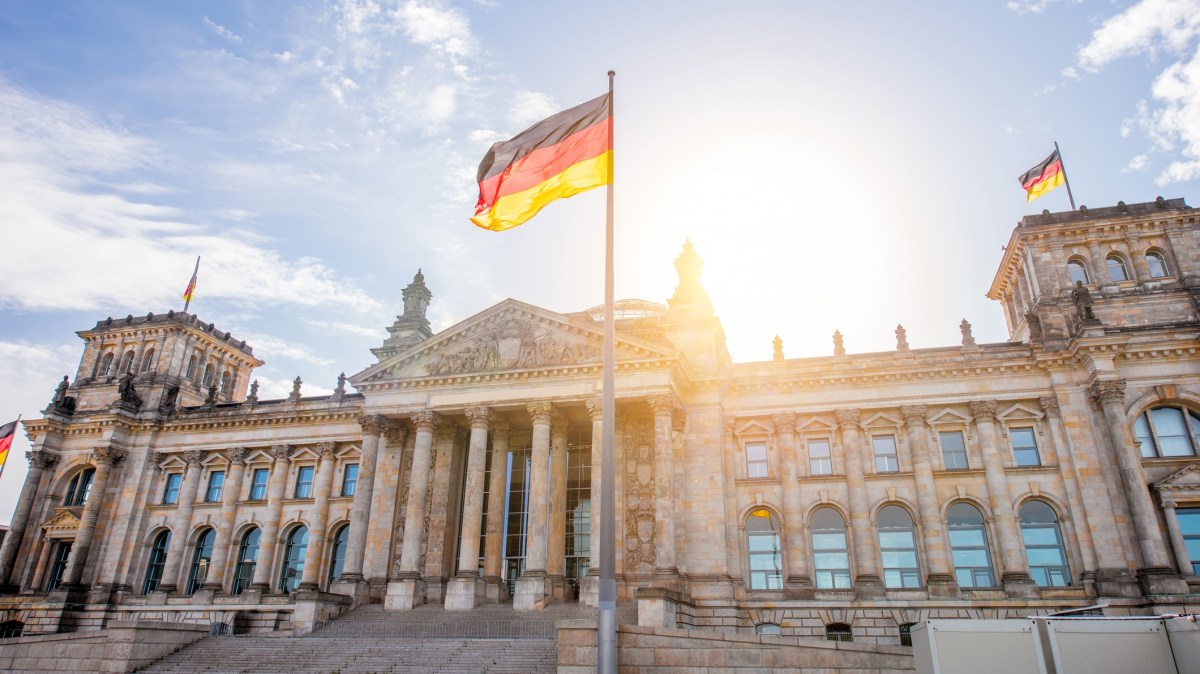
A sweeping data breach has exposed information on hundreds of German politicians and public figures, including Chancellor Angela Merkel, a German government spokeswoman has confirmed.
“Personal data and documents belonging to hundreds of politicians and public figures have been published online,” German government spokeswoman Martina Fietz said at Friday press conference.
Every party in German parliament aside from the far-right Alternative for Germany was affected by the breach, with hundreds of mobile phone numbers and addresses of politicians and public figures dumped on Twitter, German news outlet RBB reported. In some cases, private chats and credit card information were included, the report said.
But in Merkel’s case, the information exposed was less sensitive and included two email addresses, according to German media reports.
“The information and data drained from the chancellery and that relate to the chancellor are manageable,” Fietz said.
It is unclear who is responsible for the breach and whether it occurred via a hack or by other means. The perpetrators have leaked the data on Twitter according to a set schedule in recent weeks. The information doesn’t stem from a single source, but rather a mix of public and private data, German newspaper Der Spiegel reported. Some of the information is several years old.
A security researcher known as the grugq said the data posted to Twitter was resilient to being taken offline, with redundant links, to the point that it “must have required many man hours of uploading.”
This data leak has so much data squirrelled away to avoid take downs. It must have required many man hours of uploading.
– 70 mirrors of the download links
– 40 d/l links, each with 3-5 mirrors
– 161 mirrors of data files
Plus the tweets, blog posts, mirrors of mirror links.
— thaddeus e. grugq [email protected] (@thegrugq) January 4, 2019
By Friday, Twitter had suspended the account that published the leaked data.
German Justice Minister Katarina Barley condemned “a serious attack on the right to privacy and thus a cornerstone of our democracy.”
Die Veröffentlichung persönlicher Daten ist ein schwerwiegender Angriff auf das Recht auf Privatsphäre und damit einen Grundpfeiler unserer Demokratie. Die Urheber wollen Vertrauen in unsere Demokratie und ihre Institutionen beschädigen.
— Katarina Barley (@katarinabarley) January 4, 2019
Barley said the perpetrators “want to damage confidence in our democracy and its institutions,” and called for them to be held accountable.
‘Soft underbelly’ of democracy targeted
While it is unclear if hacking was the cause of the latest breach, the fact that hackers have targeted German government officials before has made data security a critical national issue. For example, suspected Russian government-linked hackers have reportedly breached the networks of the German Parliament and the country’s defense and foreign ministries.
Faced with these threats, German government officials in August announced a new €200-million research agency, modeled after the Pentagon’s research arm, to boost cyberdefenses.
Germany’s Interior Ministry did not respond to requests for comment on the latest data breach. The country’s Federal Office of Information Security (BSI) tweeted that it was investigating the incident and there appeared to be no threat to government networks.
“Compared to previous, more clandestine cyber operations targeting Germany’s political landscape, this [incident] looks like an attempt to disrupt politics and discredit politicians and parties,” Sven Herpig, a cybersecurity expert with the German think tank SNV, told CyberScoop.
“It seems like this time malicious actors also hit the soft underbelly of Germany’s democracy – the individual politicians and the parties outside of the secured government networks,” added Herpig, a former official at BSI, which has a similar cybersecurity mandate to that of the Department of Homeland Security.
Latest Podcasts
Government
FBI officials say AI is bolstering adversaries, emphasizing need to focus on cyber basics, patching
Feds accuse China of ‘systematic’ distillation of U.S. AI models
CIA’s Michael Ellis says cyber intelligence is changing how the agency operates
Jail time for Maine child in 764 marks turning point in federal law enforcement
Technology
Threats
Chinese espionage groups swarm to exploit triple-link chain of zero-days
Microsoft discloses two actively exploited zero-days among 974 vulnerabilities
Russian national extradited to US for alleged involvement in bank-account takeover scheme
Attackers exploit zero-days in consistently besieged SonicWall product
Policy
Whistleblower says USPS deploying new, ‘untested’ IT systems governing mail-in ballots
‘Watershed 250’ test program in Texas looks to private sector for water cybersecurity help
Former sexual abuse victims say Grok used their images, videos to train deepfake capabilities
Cyber threats nudge Trump to sign executive order on foreign equipment in U.S. energy infrastructure
Text extracted automatically; images, tables and formatting may be missing. Original: https://cyberscoop.com/vast-breach-exposes-german-politicians-personal-data/