COVID
Full article621 words · extracted from cyberscoop.com · click to collapse
Get our latest cybersecurity news first on Google.
In some attacks, the hackers attempted to steal credentials from employees at Walgreens.
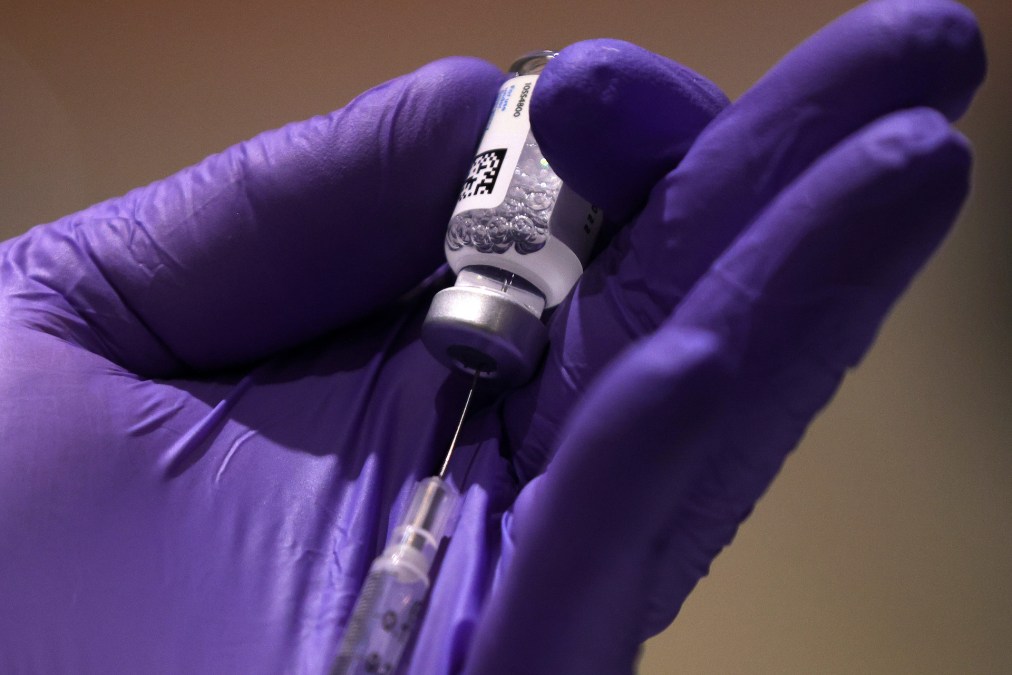
Scams looking to take advantage of people attempting to get vaccinated against the coronavirus are alive and well.
In the approximately two months since the first COVID-19 vaccines became available in the U.S., vaccine-related phishing campaigns aimed at stealing victims’ credentials increased by 530%, according to Palo Alto Networks’ Unit 42 research published Wednesday.
In one campaign, hackers created a website that imitated a page for the Pfizer and BioNTech vaccine, requesting users’ Office 365 credentials to purportedly register for a vaccine.
Phishing campaigns targeting employees of hospitals and pharmacies rose 189% during the same time period, the researchers found.
In some attacks, the hackers attempted to steal credentials from employees at Walgreens, Canada-based Pharmascience, India-based Glenmark Pharmaceuticals and China-based Junshi Biosciences.
Unit 42’s findings cover scams researchers tracked through the end of last month.
The pandemic has spurred on a flurry of new cyberthreats over the course of the last year. Suspected criminal and nation-state hackers have gone after hospitals with ransomware attacks, coronavirus research, users’ credentials and also have run financially-focused scams.
Unit 42 researchers note that hackers seeking to exploit people’s fears over contracting the deadly coronavirus have been shifting their message to seize on news of the day over the last year, from testing, masks and hand sanitizer, eventually shifting to government relief programs and vaccines.
The “attackers have continued to change their chosen tactics to adapt to the latest pandemic trends, in hopes that maintaining a timely sense of urgency will make it more likely for victims to give up their credentials,” the Unit 42 researchers write in a blog on the research. “We predict that as the vaccine rollout continues, phishing attacks related to vaccine distribution – including attacks targeting the healthcare and life sciences industries – will continue to rise worldwide.”
The research notes that Microsoft has been the most popular brand for hackers to imitate in attempts to steal people’s credentials in the last several months. Other popular targets included Yahoo, Webmail, Outlook, PayPal, Google accounts, LinkedIn and Facebook.
Other researchers have also found a rise in vaccine-related spearphishing in recent weeks, albeit to a lesser extent: Barracuda Networks found a 26% rise in vaccine-related phishing emails between October and the end of January. Check Point researchers have found a rise in vaccine-related domain registrations in recent weeks as well.
Latest Podcasts
Government
FBI officials say AI is bolstering adversaries, emphasizing need to focus on cyber basics, patching
Feds accuse China of ‘systematic’ distillation of U.S. AI models
CIA’s Michael Ellis says cyber intelligence is changing how the agency operates
Jail time for Maine child in 764 marks turning point in federal law enforcement
Technology
Threats
Chinese espionage groups swarm to exploit triple-link chain of zero-days
Microsoft discloses two actively exploited zero-days among 974 vulnerabilities
Russian national extradited to US for alleged involvement in bank-account takeover scheme
Attackers exploit zero-days in consistently besieged SonicWall product
Policy
Whistleblower says USPS deploying new, ‘untested’ IT systems governing mail-in ballots
‘Watershed 250’ test program in Texas looks to private sector for water cybersecurity help
Former sexual abuse victims say Grok used their images, videos to train deepfake capabilities
Cyber threats nudge Trump to sign executive order on foreign equipment in U.S. energy infrastructure
Text extracted automatically; images, tables and formatting may be missing. Original: https://cyberscoop.com/covid-19-vaccine-scammers-are-still-lurking/