As iOS vulnerabilities emerge, a new app promises to detect hacked iPhones
Full article582 words · extracted from cyberscoop.com · click to collapse
Get our latest cybersecurity news first on Google.
The app is available for $4.99 in the iOS store.
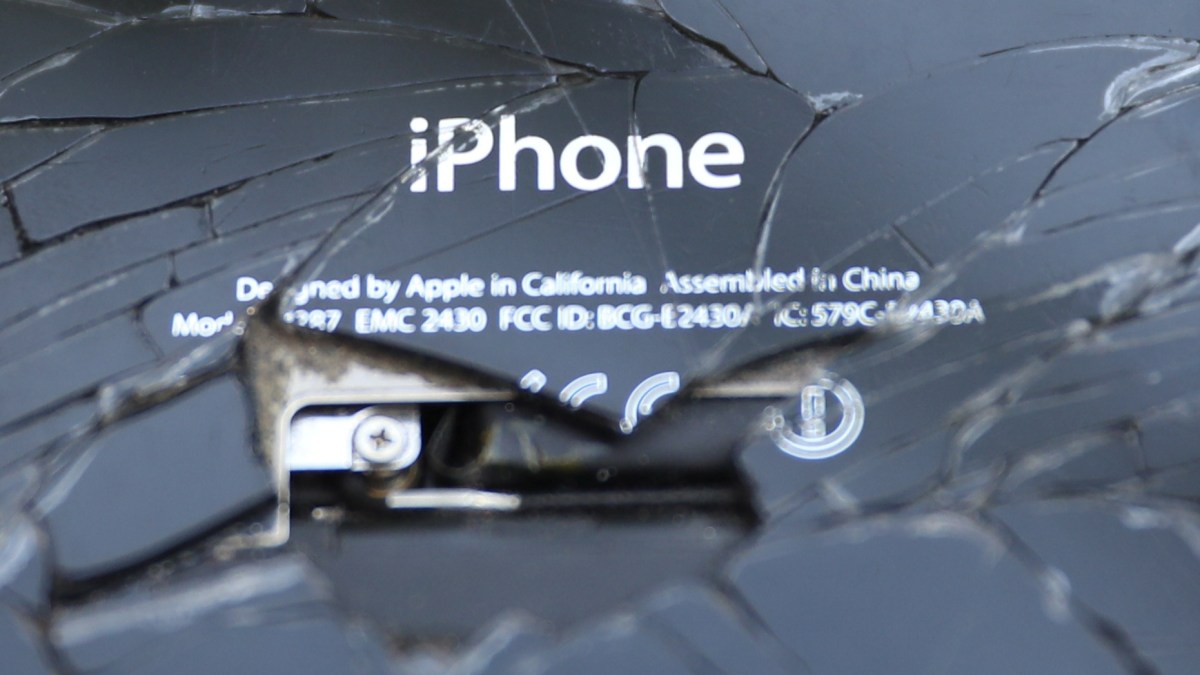
A new program in the App Store is promising to help users detect if outsiders are lurking on their device.
The consulting firm Trail of Bits on Thursday announced iVerify, a toolkit meant to help users secure their accounts with a series of instructional guides. If the app works as intended, it also will scan iPhones for odd behavior that could prove its been hacked, like if other apps are transferring data in a way they shouldn’t be authorized. It’s available for $4.99 in the App Store, and is one of the first apps ever released in the marketplace meant to catch iPhone hacks, Motherboard reported.
“It’s normally almost impossible to tell if your iPhone has been hacked, but our app gives you a heads-up,” the company said in a blog post. “iVerify periodically scans your device for anomalies that might indicate it’s been compromised, gives you a detailed report on what was detected, and provides actionable advice on how to proceed.”
Researchers long have said that because iPhones limit how apps leverage user data, it’s much more difficult to examine whether a device has been breached. If security practitioners never know how an app uses credentials to begin with, for instance, they can’t know if credentials are suddenly being used in a malicious way.
By studying known iPhone hacks and public jailbreak techniques, the iVerify app will test a device’s readiness to withstand attacks. The app also checks whether users are using baseline security tactics like Face ID, screen lock and the most up-to-date iOS software.
Whether the app can detect intrusions onto the iPhone before iVerify was installed was not immediately clear.
This addition to the App Store comes after Apple confirmed that hackers exploited iPhone vulnerabilities to spy on the Uighur community, a Muslim minority subjected by the Chinese government to mass surveillance. Before that, Google investigators had announced attackers used breached websites to infect iOS devices, then access sensitive areas of the operating system to monitor a user’s location and communications including messages sent through encrypted apps.
The exploit broker Zerodium also announced the value of iOS hacking techniques had fallen in value because of more availability.
Latest Podcasts
Government
FBI officials say AI is bolstering adversaries, emphasizing need to focus on cyber basics, patching
Feds accuse China of ‘systematic’ distillation of U.S. AI models
CIA’s Michael Ellis says cyber intelligence is changing how the agency operates
Jail time for Maine child in 764 marks turning point in federal law enforcement
Technology
FCC proposes public scorecard to rate telecoms on anti-robocall efforts
Pegasus, NoviSpy variant spyware found on devices of Serbian activists
The Collective Cyber Defense letter wrote your next vendor questionnaire
Former sexual abuse victims say Grok used their images, videos to train deepfake capabilities
Threats
Chinese espionage groups swarm to exploit triple-link chain of zero-days
Microsoft discloses two actively exploited zero-days among 974 vulnerabilities
Russian national extradited to US for alleged involvement in bank-account takeover scheme
Attackers exploit zero-days in consistently besieged SonicWall product
Policy
Whistleblower says USPS deploying new, ‘untested’ IT systems governing mail-in ballots
‘Watershed 250’ test program in Texas looks to private sector for water cybersecurity help
Cyber threats nudge Trump to sign executive order on foreign equipment in U.S. energy infrastructure
Election official says Tina Peters would be consultant, won’t have access to election systems
Text extracted automatically; images, tables and formatting may be missing. Original: https://cyberscoop.com/iverify-apple-ios-app-trail-of-bits/