U.S. agencies say Iranian hackers tried to pass ‘non-public’ Trump campaign docs to Biden’s campaign
Full article1,006 words · extracted from cyberscoop.com · click to collapse
Get our latest cybersecurity news first on Google.
According to a joint statement from CISA, ODNI and the FBI, there is no evidence that anyone from Biden’s campaign responded to the offer.
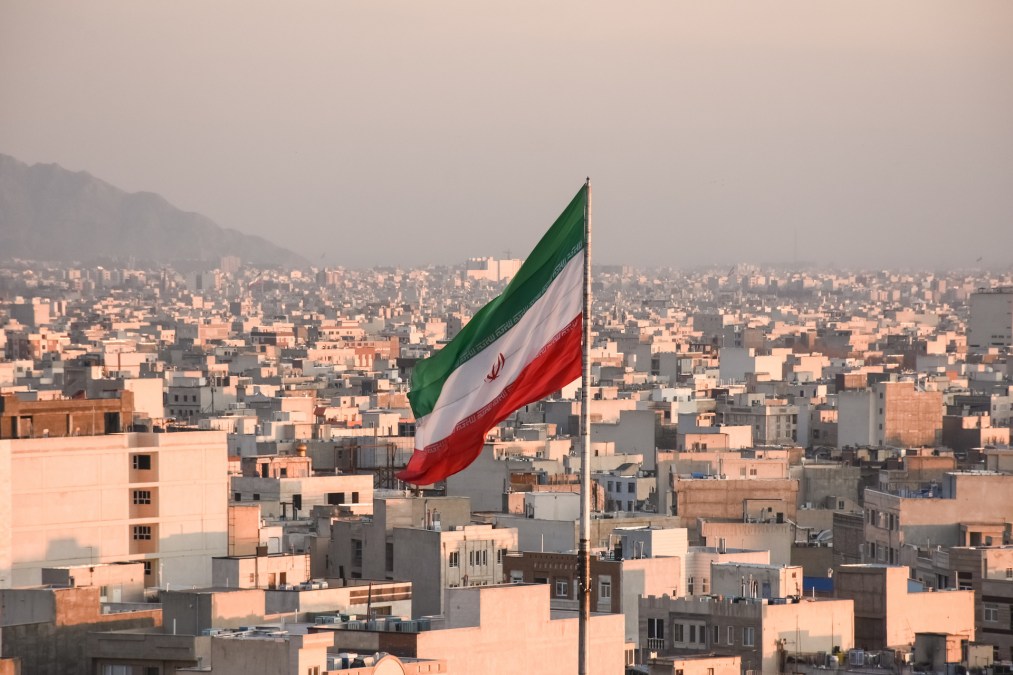
Federal law enforcement and national security authorities said Wednesday that Iranian hackers sent unsolicited emails containing “non-public” information from the Trump campaign to individuals associated with the Biden campaign.
The Cybersecurity and Infrastructure Security Agency, the FBI and the Office of the Director of National Intelligence said the emails, sent in late June and early July before President Joe Biden dropped out of the race, contained “an excerpt taken from stolen, non-public material from former President Trump’s campaign” as text in the emails.
“There is currently no information indicating those recipients replied,” the agencies said in a joint statement. “Furthermore, Iranian malicious cyber actors have continued their efforts since June to send stolen, non-public material associated with former President Trump’s campaign to U.S. media organizations.”
In August, Politico reported that hackers stole emails from the Trump campaign, which pointed the finger at Iran, and that a mysterious online figure named Robert had contacted the outlet offering internal Trump campaign materials and research dossiers.
U.S. officials later attributed both the hack and attempted leak to Iranian actors. Intelligence agencies have also said that Iran prefers to see Trump lose and the incident is part of a broader influence effort by Iran targeting the 2024 election.
“This malicious cyber activity is the latest example of Iran’s multi-pronged approach, as noted in the joint August statement, to stoke discord and undermine confidence in our electoral process,” the agencies said.
If the emails to Biden associates were part of the same operation, it would further underline the extent to which Iranian actors sought to get the hacked Trump campaign documents into the American political bloodstream.
In a statement, Trump campaign national press secretary Karoline Leavitt said the Iranian government opposes his candidacy because of his policy positions on Iranian sanctions and terrorism.
“Kamala and Biden must come clean on whether they used the hacked material given to them by the Iranians to hurt President Trump,” Leavitt said. “What did they know and when did they know it?”
The hack-and-leak tactics mirror what the Russian government did in 2016, when intelligence services hacked into the Democratic National Committee servers, stole internal emails and documents, and then used a fictitious cutout to pitch the materials to reporters and other parties.
The aim, according to intelligence community assessments and an exhaustive bipartisan Senate report, was to further the chances of electing Trump and to undermine confidence in the U.S system. This year, intelligence officials have described Russia as the preeminent foreign threat to U.S. elections, even after the Iranian hack-and-leak operation was publicly revealed, and that once again the Kremlin prefers that Trump win.
During a Senate Intelligence Committee hearing Wednesday, Microsoft President Brad Smith said battle lines for foreign influence in this presidential election have been clearly drawn.
“Everyday we know that there is a presidential race between Donald Trump and Kamala Harris, but this has also become an election of Iran versus Trump and Russia versus Harris,” he said. “And it is an election where Russia, Iran and China are united with the common interest in discrediting democracy in the eyes of our own voters and even more so the eyes of the world.”
In July 2016, Trump openly encouraged Russia to “find” missing emails from his opponent, Democratic nominee Hillary Clinton. According to an indictment filed later by Special Counsel Robert Mueller, on or around that same day Russian hackers began sending phishing emails to accounts at domains used by the Clinton campaign and her personal office.
Mueller’s investigation also found that numerous Trump campaign officials, including Trump’s son, met with Russian officials to discuss the hacked opposition research.
More Scoops
AI-fueled attacks pose ‘active threat’ to water, other sectors, U.S. agencies warn
The agencies said the hackers are taking aim at Siemens S7 Series programmable logic controllers in what could be a first.

Iranian hackers launching disruptive attacks at U.S. energy, water targets, feds warn
Iranian hackers, Handala, claim to compromise FBI Director Kash Patel’s personal data
Latest Podcasts
Government
FBI officials say AI is bolstering adversaries, emphasizing need to focus on cyber basics, patching
Feds accuse China of ‘systematic’ distillation of U.S. AI models
CIA’s Michael Ellis says cyber intelligence is changing how the agency operates
The G7 tells industry to hurry up and prep for post-quantum encryption
Technology
Threats
Microsoft discloses two actively exploited zero-days among 974 vulnerabilities
Russian national extradited to US for alleged involvement in bank-account takeover scheme
Attackers exploit zero-days in consistently besieged SonicWall product
Jail time for Maine child in 764 marks turning point in federal law enforcement
Policy
Whistleblower says USPS deploying new, ‘untested’ IT systems governing mail-in ballots
‘Watershed 250’ test program in Texas looks to private sector for water cybersecurity help
Former sexual abuse victims say Grok used their images, videos to train deepfake capabilities
Cyber threats nudge Trump to sign executive order on foreign equipment in U.S. energy infrastructure
Text extracted automatically; images, tables and formatting may be missing. Original: https://cyberscoop.com/iran-hackers-trump-campaign-emails-biden/