Facebook paid white hat hackers more than $600K this year
Full article567 words · extracted from cyberscoop.com · click to collapse
Get our latest cybersecurity news first on Google.
Wednesday marked the 5th anniversary of Facebook’s bug bounty program, which rewards freelance hackers and other security researchers for finding software flaws in the social network. In the first half of 2016, alone, Facebook received 9,000 reports of different bugs in its platform and subsequently paid out $611,741 to program participants.
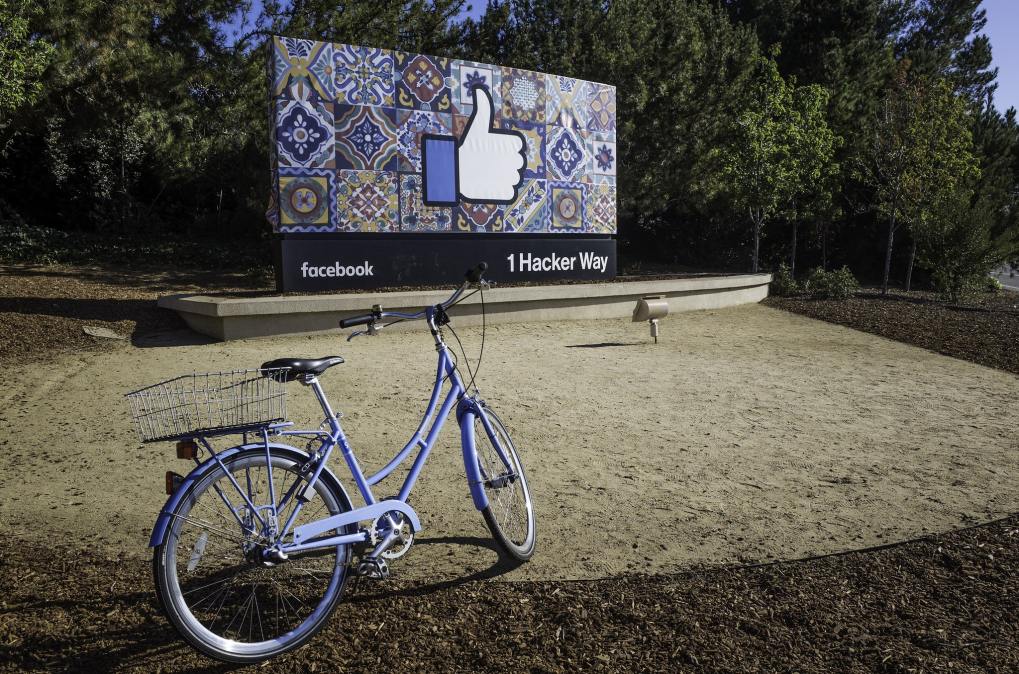
In the first half of 2016 alone, Facebook’s bug bounty program received 9,000 reports of different bugs in its platform and subsequently paid out $611,741 to program participants.
Wednesday marked the fifth anniversary of the tech giant’s bug bounty program, which rewards freelance hackers and other security researchers for finding software flaws in the social network.
“Launching and running a program of this size for five years is not easy — and we couldn’t have done it without the support of the broader security research community,” Joey Tyson of Facebook’s bug bounty staff wrote in a statement, “we discovered many of the people now on our team through the community of researchers submitting reports.”
Facebook’s bug bounty program was among the first to be instituted in Silicon Valley, with subsequent programs later launched by Twitter, Apple and Amazon. While some bug bounty programs are structured and organized internally, as Facebook has done, others rely on private firms like HackerOne and BugCrowd to recruit white hat hackers, organize their efforts and monitor the boundaries.
In total, dating back to 2011, Facebook has paid out more than $5 million to roughly 900 researchers, the social network announced Wednesday.
Looking forward, Tyson described that Facebook will look to improve its bug bounty program by, among other things, sharing the “thinking behind each award” and providing “educational resources on security fundamentals and topics specific to [Facebook] products.”
Bug bounty programs have become popular in recent years due to the low cost, high impact solution they offer, enabling companies and government agencies to find, fix and mitigate the risks associated with faulty code in a way that is effective more affordable than if someone were buy individual exploits from a vendor. For example, a pilot program used by the Pentagon and conducted by HackerOne attracted 1,400 hackers, found 138 vulnerabilities and yet only cost $150,000.
Latest Podcasts
Government
FBI officials say AI is bolstering adversaries, emphasizing need to focus on cyber basics, patching
Feds accuse China of ‘systematic’ distillation of U.S. AI models
CIA’s Michael Ellis says cyber intelligence is changing how the agency operates
Jail time for Maine child in 764 marks turning point in federal law enforcement
Technology
Threats
Chinese espionage groups swarm to exploit triple-link chain of zero-days
Microsoft discloses two actively exploited zero-days among 974 vulnerabilities
Russian national extradited to US for alleged involvement in bank-account takeover scheme
Attackers exploit zero-days in consistently besieged SonicWall product
Policy
Whistleblower says USPS deploying new, ‘untested’ IT systems governing mail-in ballots
‘Watershed 250’ test program in Texas looks to private sector for water cybersecurity help
Former sexual abuse victims say Grok used their images, videos to train deepfake capabilities
Cyber threats nudge Trump to sign executive order on foreign equipment in U.S. energy infrastructure
Text extracted automatically; images, tables and formatting may be missing. Original: https://cyberscoop.com/facebook-bug-bounty-five-year-anniversary/