Super Tuesday gives feds and states a test run for securing November vote
Full article1,004 words · extracted from cyberscoop.com · click to collapse
Get our latest cybersecurity news first on Google.
While there were some notable technical glitches in the voting process, nothing malicious came to pass.
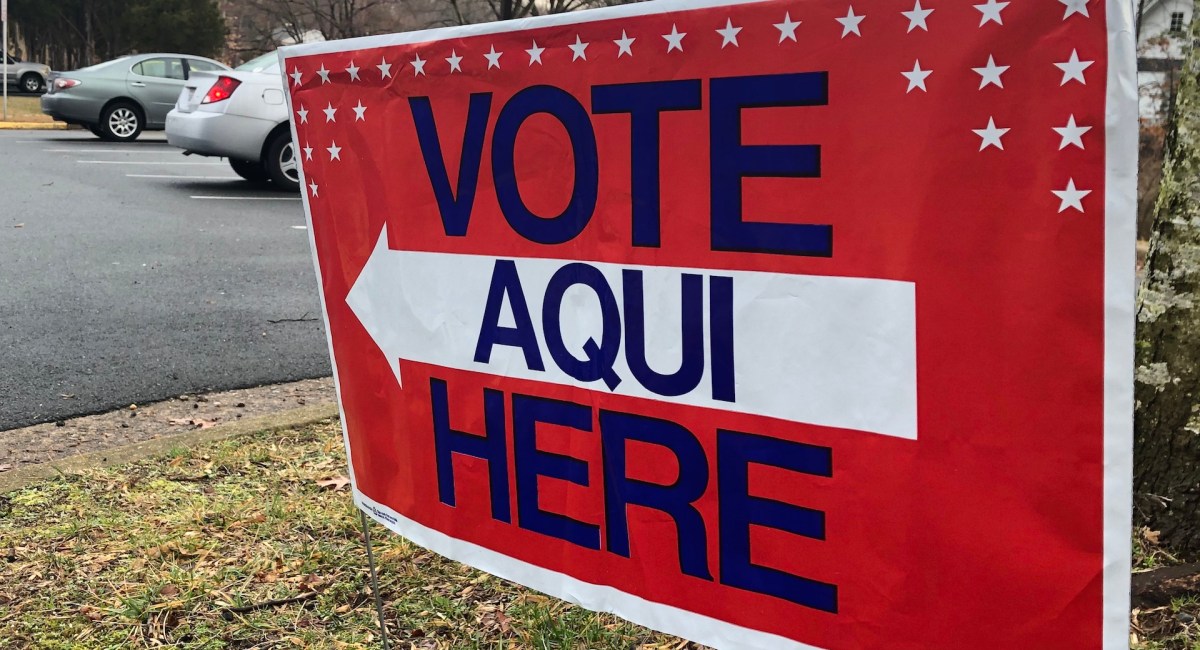
Federal and state officials were up late Tuesday monitoring for threats from hackers and trolls to the biggest primary day of the 2020 election season. A watch floor at the Department of Homeland Security kept election administrators across the country plugged into threat data coming in from the intelligence community.
While there were some notable technical glitches in the voting process, nothing malicious came to pass. Bleary-eyed officials can go back to work Wednesday with a sigh of relief but also some lessons learned on how to protect the November presidential vote, which U.S. officials have repeatedly warned will draw foreign interference attempts.
“We had well over 100 state and local officials in the room with us exchanging information with us throughout the day,” a senior official at the Department of Homeland Security’s cybersecurity division said on a 9 p.m. Eastern call with reporters.
“[There are] ways that we can improve both the speed in our responsiveness but also sort through the information with them,” the official said, adding that state and local officials appreciated the communication throughout the day. “So I think we have some good items for action as we move forward and build towards November.”
As millions of voters across 14 states went to the polls, officials from the National Security Agency, FBI, and DHS’s Cybersecurity and Infrastructure Security Agency (CISA) were in a classified room at the DHS facility in Arlington, Virginia. They were monitoring for both significant indicators of malicious activity against state election infrastructure, and any surge in disinformation designed to influence the vote. Neither came to pass.
“We have not seen any acute increase in any misinformation [or disinformation],” CISA Director Chris Krebs told reporters at the DHS facility Tuesday. He and other officials say that Russian operatives have continued a broad influence campaign against the American public since 2016. But there was no reported uptick in that activity around Super Tuesday.
“We don’t have any reports of any malicious cyber activity across the states today,” a CISA official said later.
The vigilance on display last night was in contrast to 2016, when federal officials were flat-footed in their response to Russia’s probing of IT infrastructure across the country and use of bots and trolls to try to undermine the electoral process.
“We have near-real-time understanding of what’s happening in voter registration databases and voter look-up tools,” Krebs said Tuesday.
Some U.S. officials did not go home until after midnight on the East Coast, after being on call for California election officials, who were dealing with technical glitches that created long lines of frustrated voters at voting centers throughout Los Angeles County.
“Super Tuesday generally went very well for many voters across the country, but we are concerned about the long lines reported in some states, including California and Texas,” said Liz Howard, counsel at the Democracy Program at New York University’s Brennan Center for Justice.
“We need to understand the underlying cause of these problems to ensure that they are addressed — and that we avoid even bigger issues in November,” Howard added.
Federal, state, and local officials will be doing just as they continue to drill for November.
More Scoops
SCOTUS tosses one of two injunctions against Trump USPS mail-in ballot rules
The 6-3 decision dismisses one lawsuit brought by states, saying they have no standing to sue because the disputed sections “neither requires nor forbids anything of anyone outside…
Trump blames Minnesota for cyberattacks on water sector, drawing pushback from cyber world
States are building their own election defense networks as federal support evaporates
Latest Podcasts
Government
FBI officials say AI is bolstering adversaries, emphasizing need to focus on cyber basics, patching
Feds accuse China of ‘systematic’ distillation of U.S. AI models
CIA’s Michael Ellis says cyber intelligence is changing how the agency operates
Jail time for Maine child in 764 marks turning point in federal law enforcement
Technology
Threats
Chinese espionage groups swarm to exploit triple-link chain of zero-days
Microsoft discloses two actively exploited zero-days among 974 vulnerabilities
Russian national extradited to US for alleged involvement in bank-account takeover scheme
Attackers exploit zero-days in consistently besieged SonicWall product
Policy
Whistleblower says USPS deploying new, ‘untested’ IT systems governing mail-in ballots
‘Watershed 250’ test program in Texas looks to private sector for water cybersecurity help
Former sexual abuse victims say Grok used their images, videos to train deepfake capabilities
Cyber threats nudge Trump to sign executive order on foreign equipment in U.S. energy infrastructure
Text extracted automatically; images, tables and formatting may be missing. Original: https://cyberscoop.com/super-tuesday-election-security/