DHS steadily moving state-by
Full article868 words · extracted from cyberscoop.com · click to collapse
Get our latest cybersecurity news first on Google.
A DHS official says the department is on track to assess states' risk of cyberattack over the next few months.
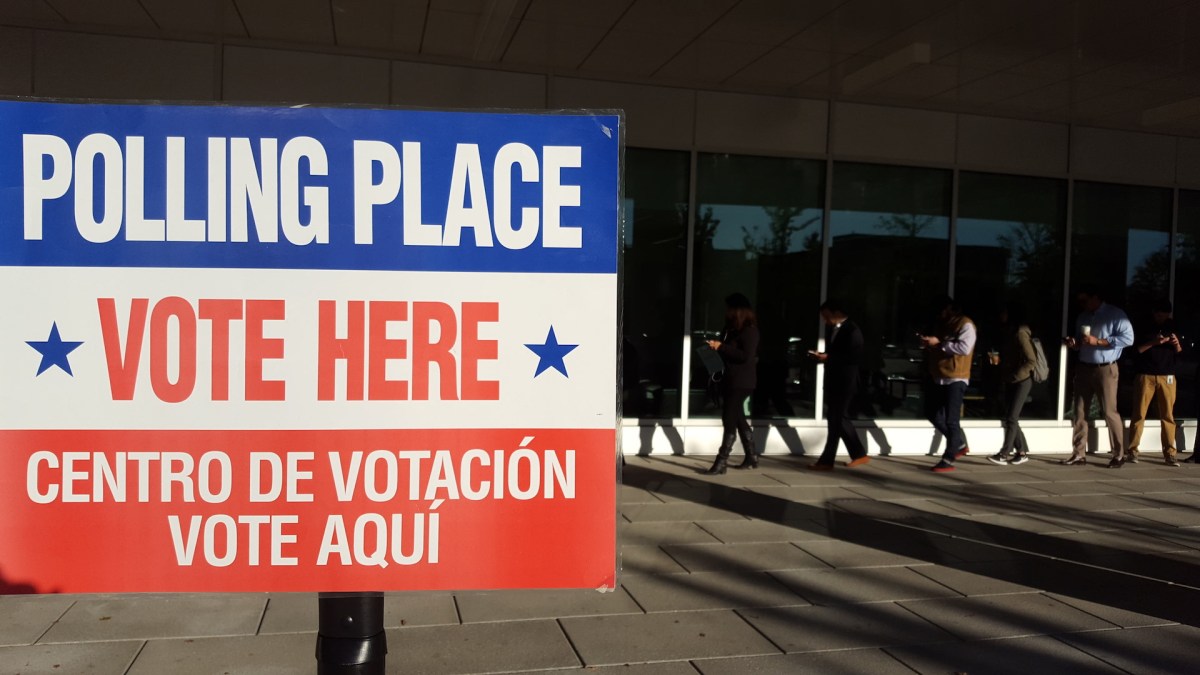
Department of Homeland Security officials detailed ongoing efforts to secure state election systems Wednesday, telling the Senate Committee on Homeland Security and Governmental Affairs they are on track to assess states’ risk of a cyberattack over the next few months.
Speaking at the committee’s roundtable discussion on the agency’s reauthorization, Chris Krebs, acting undersecretary for the National Protection and Programs Directorate, said that DHS officials have completed five security risk assessments of state election systems and would be working to complete another 11 by mid-April, running up against primary season for state and congressional elections.
The assessments, offered to state election officials by request, include services like “scenario-based network penetration testing, web application testing, social engineering testing, wireless testing, configuration reviews of servers and databases and evaluation of an organization’s detection and response capabilities,” to determine the likelihood of a system breach.
“The dependency here is whether we get requested for risk and vulnerability assessments,” Krebs said. “There are states — South Carolina, for example — that have the capacity to conduct their own technical assessment of the security of their networks. We’re focusing and doing a lot of awareness on those states that need additional help.”
But Sen. Kamala Harris, D-Calif., pressed Krebs on the timeline, noting that states like Texas have March primaries.
“I would want to know that you are aware of the 16 states at least and what their dates are for their primary and that it would be your goal to have their assessment complete before their primaries actually occur,” she said. “It would seem to me to be a high priority for the Department of Homeland Security.”
In December, the backlog was estimated to be as long as nine months for states to receive the free service. Krebs said that critical infrastructure authority for elections allowed the agency to shift resources.
Krebs added that the resources are also used to protect the 16 other critical infrastructure sectors, as well as federal high value assets assessments, which explains the delay.
“What we’ve done is put at the top of the pile the state and local election officials right now,” he said. “With more I can do more, so we are looking at ways to increase training to bring additional personnel on, and also, there’s an equipment requirement.”
DHS is also processing security clearances for the state officials overseeing the cybersecurity of their elections to ensure they are able to access DHS cyber intelligence. Krebs said the agency is currently processing 37 clearances and will issue single-day clearances to cover any gaps.
“We are going to do a number of briefings over the next couple of weeks for state election officials,” he said.
But when Harris asked what percentage of election officials currently security clearances have them, Krebs estimated 30 percent of the 50 election officials were completed.
“But we have prioritized, again, this process of vetting and issuing the clearances and are continuing to do so in advance of the 2018 elections,” he said.
DHS officials designated election systems a critical infrastructure in the wake of Russian meddling in the 2016 election.
More Scoops
Retail theft bill spurs ‘very large and very dangerous’ surveillance fears
The Combating Organized Retail Crime Act has won a big House vote and could be on the fast track in the Senate — and supporters say it…

AI is getting better at election facts, but voters shouldn’t rely on it
House intel bill includes provisions on state and local threat intelligence, election security, AI
Latest Podcasts
Government
FBI officials say AI is bolstering adversaries, emphasizing need to focus on cyber basics, patching
Feds accuse China of ‘systematic’ distillation of U.S. AI models
CIA’s Michael Ellis says cyber intelligence is changing how the agency operates
The G7 tells industry to hurry up and prep for post-quantum encryption
Technology
Threats
Chinese espionage groups swarm to exploit triple-link chain of zero-days
Microsoft discloses two actively exploited zero-days among 974 vulnerabilities
Russian national extradited to US for alleged involvement in bank-account takeover scheme
Attackers exploit zero-days in consistently besieged SonicWall product
Policy
Whistleblower says USPS deploying new, ‘untested’ IT systems governing mail-in ballots
‘Watershed 250’ test program in Texas looks to private sector for water cybersecurity help
Former sexual abuse victims say Grok used their images, videos to train deepfake capabilities
Cyber threats nudge Trump to sign executive order on foreign equipment in U.S. energy infrastructure
Text extracted automatically; images, tables and formatting may be missing. Original: https://cyberscoop.com/dhs-election-security-chris-krebs-kamala-harris/