European police round up 23 suspected scammers accused of $1.2 million fraud
Full article681 words · extracted from cyberscoop.com · click to collapse
Get our latest cybersecurity news first on Google.
The crime ring began making fake offers of COVID-19 protective materials after the outbreak, Europol said.

An international police sting netted 23 arrests in three countries of suspects behind a business email compromise scheme that last year turned to capitalizing on COVID-19 fears, Europol announced on Wednesday.
Together, the fraudsters are believed to have stolen at least $1.2 million from companies in 20 countries, mainly European and Asian nations, the European Union police agency said.
The scheme relied on use of compromised email accounts for advance-payment fraud, Europol said. The suspects created fake emails and websites that resembled those of legitimate companies to trick victims into placing orders with them. They then laundered financial data through Romanian bank accounts to ultimately withdraw money from ATMs.
“The fraud was run by an organised crime group which prior to the COVID-19 pandemic already illegally offered other fictitious products for sale online, such as wooden pellets,” Europol’s announcement said. “Last year the criminals changed their modus operandi and started offering protective materials after the outbreak of the COVID-19 pandemic.”
Besides Europol’s Cyber Crime Centre, the operation drew resources from three nations’ national police forces: Romania’s Politia Romana, the Netherlands’ Polite and Ireland’s An Garda Siochana.
The simultaneous raids in those three countries led to the arrests on Monday of nationals from African countries residing in Europe, resulting from searches of 34 locations. Europol said it had been supporting the case since 2017.
Business email compromise (BEC) regularly tops the list of most expensive cyber-enabled crimes in the annual accounting from the FBI’s Internet Crime Complaint Center, with the IC3 last year enumerating nearly $1.8 billion in known losses reported to the center.
Europol’s own annual report last year said BEC was on the rise, even as ransomware generated headlines due to the large number of victims.
“Business Email Compromise (BEC) continues to increase,” the agency said. “As criminals are more carefully selecting their targets, they have shown a significant understanding of internal business processes and systems’ vulnerabilities.”
More Scoops
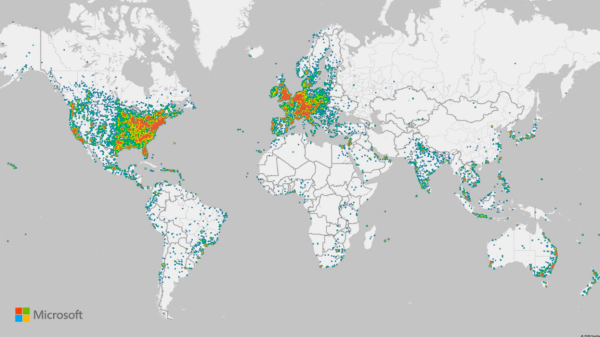
Microsoft seizes RedVDS infrastructure, disrupts fast-growing cybercrime marketplace
The service became a prolific tool for cybercriminals in the past year, as it facilitated thousands of attacks involving credential theft, account takeovers, mass phishing and payment…

Spanish police disrupt Black Axe, arrest alleged leaders in action spanning four cities

African cybercrime crackdown nets more than 1,000 suspects
Latest Podcasts
Government
FBI officials say AI is bolstering adversaries, emphasizing need to focus on cyber basics, patching
Feds accuse China of ‘systematic’ distillation of U.S. AI models
CIA’s Michael Ellis says cyber intelligence is changing how the agency operates
The G7 tells industry to hurry up and prep for post-quantum encryption
Technology
Threats
Policy
Whistleblower says USPS deploying new, ‘untested’ IT systems governing mail-in ballots
‘Watershed 250’ test program in Texas looks to private sector for water cybersecurity help
Former sexual abuse victims say Grok used their images, videos to train deepfake capabilities
Cyber threats nudge Trump to sign executive order on foreign equipment in U.S. energy infrastructure
Text extracted automatically; images, tables and formatting may be missing. Original: https://cyberscoop.com/europol-bec-ireland-netherlands-romania-23/