SunOrcal Adds GitHub and Steganography to its Repertoire, Expands to Vietnam and Myanmar
Indicators of compromiseauto-extracted · verify before use · export allAll →
| Type | Indicator | Context |
|---|---|---|
| domain | eyesfeel256.com | ryhstui[.]com:80' 'AFaiOU2sw9q3w829RZ3jOUqayd-tRg==' : 'www.eyesfeel256[.]com:80' 'AFaiOUG9z8K4yE6cOUqayd-tRg==' : 'www.olinaodi[.]com: |
| domain | eyestouch256.com | outside[.]com www.flyoutside[.]com www.outsidefly[.]com www.eyestouch256[.]com www.tashdqdxp[.]com 104.148.70[.]217 98.126.156[.]210 119 |
| domain | flyoutside.com | yesfeel256[.]com www.olinaodi[.]com www.fyoutside[.]com www.flyoutside[.]com www.outsidefly[.]com www.eyestouch256[.]com www.tashdqdxp |
| domain | fyoutside.com | onfigured to download it from the following URL: http://www.fyoutside[.]com/dwm99.bmp This .BMP file is written to the previously cre |
| domain | olinaodi.com | eyesfeel256[.]com:80' 'AFaiOUG9z8K4yE6cOUqayd-tRg==' : 'www.olinaodi[.]com:80' 'RdPnOZjjTsLkOZjlQt-tRg==' : '192.168.1[.]104:80' 'Rd |
| domain | outsidefly.com | e domain hosting the SunOrcal malware in those attacks, www.outsidefly[.]com, is listed in a 2013 report discussing targeted attacks a |
| domain | tashdqdxp.com | tside[.]com www.outsidefly[.]com www.eyestouch256[.]com www.tashdqdxp[.]com 104.148.70[.]217 98.126.156[.]210 119.42.148[.]246 |
| domain | weryhstui.com | servers: 1 2 3 4 5 6 'AFaiOVa0BVOdBF6gzcK6yEzvTtk=' : 'www.weryhstui[.]com:80' 'AFaiOU2sw9q3w829RZ3jOUqayd-tRg==' : 'www.eyesfeel256 |
| sha256 | 05ddbd0506ec95fb460b3994e5b21cdb0418ba4aa406374ca1b91249349b7640 | 465c6330b9b49df2e7c9ad0b1164aa5b35423d9e80495a178eb510cdc1c 05ddbd0506ec95fb460b3994e5b21cdb0418ba4aa406374ca1b91249349b7640 Reaver.v3 18ac3b14300ecfeed4b64a844c16dccb06b0e3513d0954d6c |
| sha256 | 0ea195e7927fb1d2d13c9b90da846f532be6924f8a2650c026c9105a297cce46 | 5ae3c82cf3cda4815732edc144edb5ff728a5ecb0ba8caf76f7acde5488 0ea195e7927fb1d2d13c9b90da846f532be6924f8a2650c026c9105a297cce46 Malicious RTF 45eee0e7e41f5781577f7f380d90eb7145ab6ba9a8f64 |
| sha256 | 163a82ab3db709da8fef18de67b71b19f300253b285bccccbf9375857d96e4d6 | 547fcba5572361daf4b49200f6d95114492ee296bc25542e8288e9542fa 163a82ab3db709da8fef18de67b71b19f300253b285bccccbf9375857d96e4d6 49adaad1ecfaba2de15d5024656ad277b39fcfcc07683c04a205bbedb02 |
| sha256 | 1813f10bcf74beb582c824c64fff63cb150d178bef93af81d875ca84214307a1 | 50e0a4c457663e37119ebe1efa1e4b97eef1d975f383ac3243f9f09908c 1813f10bcf74beb582c824c64fff63cb150d178bef93af81d875ca84214307a1 Surtr 992e4577807e57b691acdfbace2651efe18292d1020fa94b44ea3 |
| sha256 | 18ac3b14300ecfeed4b64a844c16dccb06b0e3513d0954d6c6182f2ea14e4c92 | b460b3994e5b21cdb0418ba4aa406374ca1b91249349b7640 Reaver.v3 18ac3b14300ecfeed4b64a844c16dccb06b0e3513d0954d6c6182f2ea14e4c92 c0f8bb77284b96e07cab1c3fab8800b1bbd030720c74628c4ee5666694e |
| sha256 | 1fcda755e8fa23d27329e4bc0443a82e1c1e9a6c1691639db256a187365e4db1 | 58e4886cfdbfb4f1b3b25707d05f6fd873d0be9d8e7334a2c28741228ee 1fcda755e8fa23d27329e4bc0443a82e1c1e9a6c1691639db256a187365e4db1 c906250e0a4c457663e37119ebe1efa1e4b97eef1d975f383ac3243f9f0 |
| sha256 | 26c234c73e2c3448589c7d4a0cf17f615ad3666541a4e611e2d8b77637205bcf | 70bce491991c4cbbbd7dc3e67d3a3d535b965d7064973b35c50f265e59b 26c234c73e2c3448589c7d4a0cf17f615ad3666541a4e611e2d8b77637205bcf ae9f158e4886cfdbfb4f1b3b25707d05f6fd873d0be9d8e7334a2c28741 |
| sha256 | 38ea33dab0ba2edd16ecd98cba161c550d1036b253c8666c4110d198948329fb | fb742ce881e040e1b5b8555f00a402b8dd4fc886acaae2f862040b3bfc5 38ea33dab0ba2edd16ecd98cba161c550d1036b253c8666c4110d198948329fb cb7c0cf1750baaa11783e93369230ee666b9f3da7298e4d1bb9a07af6a4 |
| sha256 | 45eee0e7e41f5781577f7f380d90eb7145ab6ba9a8f64df31bb6fd3e72693f33 | served on November 8, 2017 with the following SHA256 hash: 45eee0e7e41f5781577f7f380d90eb7145ab6ba9a8f64df31bb6fd3e72693f33 This most recent malicious RTF in question had an original |
| sha256 | 48836912f48106e02ec0e083095fcf3a38cf871081e6cefbcd774e84168e8673 | c8b0d6aaf3aaeef3d4d53f5b94be6d84ab081d0d8e9859347e3c3cf0acc 48836912f48106e02ec0e083095fcf3a38cf871081e6cefbcd774e84168e8673 7288d5ae3c82cf3cda4815732edc144edb5ff728a5ecb0ba8caf76f7acd |
| sha256 | 491eec8b0d6aaf3aaeef3d4d53f5b94be6d84ab081d0d8e9859347e3c3cf0acc | ad1ecfaba2de15d5024656ad277b39fcfcc07683c04a205bbedb027a9a1 491eec8b0d6aaf3aaeef3d4d53f5b94be6d84ab081d0d8e9859347e3c3cf0acc 48836912f48106e02ec0e083095fcf3a38cf871081e6cefbcd774e84168 |
| sha256 | 49adaad1ecfaba2de15d5024656ad277b39fcfcc07683c04a205bbedb027a9a1 | 2ab3db709da8fef18de67b71b19f300253b285bccccbf9375857d96e4d6 49adaad1ecfaba2de15d5024656ad277b39fcfcc07683c04a205bbedb027a9a1 491eec8b0d6aaf3aaeef3d4d53f5b94be6d84ab081d0d8e9859347e3c3c |
| sha256 | 4dffdd62a11d7095960a9a6583173dde418dd1c42df1cb656eeb6edeecde3917 | 577807e57b691acdfbace2651efe18292d1020fa94b44ea365885c6ccf0 4dffdd62a11d7095960a9a6583173dde418dd1c42df1cb656eeb6edeecde3917 Domains and IP addresses www.weryhstui[.]com www.eyesfeel25 |
| sha256 | 58312fb742ce881e040e1b5b8555f00a402b8dd4fc886acaae2f862040b3bfc5 | 9b5278dc2ac24279cc6c3db44f4ef0ea78ee7b721b0ace38fd8018c51ac 58312fb742ce881e040e1b5b8555f00a402b8dd4fc886acaae2f862040b3bfc5 38ea33dab0ba2edd16ecd98cba161c550d1036b253c8666c4110d198948 |
| sha256 | 58eac547fcba5572361daf4b49200f6d95114492ee296bc25542e8288e9542fa | 5183809efa356cb1b7f4057f81e3752e7a6bcc1784f59551d988c690c48 58eac547fcba5572361daf4b49200f6d95114492ee296bc25542e8288e9542fa 163a82ab3db709da8fef18de67b71b19f300253b285bccccbf9375857d9 |
| sha256 | 67ef25b0708e6c268d2cbd78d03141acfc9cf895b8422da69beb2ca598f2fcc7 | bae142139484089974cbcaae5ac76d88f25a42fb961d8018a3c63a2601c 67ef25b0708e6c268d2cbd78d03141acfc9cf895b8422da69beb2ca598f2fcc7 a13647468498dd7c95de7d168c926cf53eb01fbc262bf372790b47b704c |
| sha256 | 7288d5ae3c82cf3cda4815732edc144edb5ff728a5ecb0ba8caf76f7acde5488 | 912f48106e02ec0e083095fcf3a38cf871081e6cefbcd774e84168e8673 7288d5ae3c82cf3cda4815732edc144edb5ff728a5ecb0ba8caf76f7acde5488 0ea195e7927fb1d2d13c9b90da846f532be6924f8a2650c026c9105a297 |
| sha256 | 799139b5278dc2ac24279cc6c3db44f4ef0ea78ee7b721b0ace38fd8018c51ac | 90eb7145ab6ba9a8f64df31bb6fd3e72693f33 Traditional SunOrcal 799139b5278dc2ac24279cc6c3db44f4ef0ea78ee7b721b0ace38fd8018c51ac 58312fb742ce881e040e1b5b8555f00a402b8dd4fc886acaae2f862040b |
| sha256 | 81d887fefdbb0219647991c2b7bddf45c2fede4dc6fc18408f1706e0279615b2 | ccfb981266f1d47a68cba64de47a4945a63d3b1787294ac98842ff47ffd 81d887fefdbb0219647991c2b7bddf45c2fede4dc6fc18408f1706e0279615b2 840f55183809efa356cb1b7f4057f81e3752e7a6bcc1784f59551d988c6 |
| sha256 | 840f55183809efa356cb1b7f4057f81e3752e7a6bcc1784f59551d988c690c48 | 7fefdbb0219647991c2b7bddf45c2fede4dc6fc18408f1706e0279615b2 840f55183809efa356cb1b7f4057f81e3752e7a6bcc1784f59551d988c690c48 58eac547fcba5572361daf4b49200f6d95114492ee296bc25542e8288e9 |
| sha256 | 887aeccfb981266f1d47a68cba64de47a4945a63d3b1787294ac98842ff47ffd | e analyzed the sample with the following attributes: SHA256 887aeccfb981266f1d47a68cba64de47a4945a63d3b1787294ac98842ff47ffd Compile Timestamp 2017-06-22 06:43:05 UTC The malware begin |
| sha256 | 9213f70bce491991c4cbbbd7dc3e67d3a3d535b965d7064973b35c50f265e59b | b77284b96e07cab1c3fab8800b1bbd030720c74628c4ee5666694ef903d 9213f70bce491991c4cbbbd7dc3e67d3a3d535b965d7064973b35c50f265e59b 26c234c73e2c3448589c7d4a0cf17f615ad3666541a4e611e2d8b776372 |
| sha256 | 98eb5465c6330b9b49df2e7c9ad0b1164aa5b35423d9e80495a178eb510cdc1c | 3abb11d9508e1167329470de19b811163eb1167534722e666 Reaver.v2 98eb5465c6330b9b49df2e7c9ad0b1164aa5b35423d9e80495a178eb510cdc1c 05ddbd0506ec95fb460b3994e5b21cdb0418ba4aa406374ca1b91249349 |
| sha256 | 992e4577807e57b691acdfbace2651efe18292d1020fa94b44ea365885c6ccf0 | 4beb582c824c64fff63cb150d178bef93af81d875ca84214307a1 Surtr 992e4577807e57b691acdfbace2651efe18292d1020fa94b44ea365885c6ccf0 4dffdd62a11d7095960a9a6583173dde418dd1c42df1cb656eeb6edeecd |
| sha256 | a13647468498dd7c95de7d168c926cf53eb01fbc262bf372790b47b704c44a04 | 5b0708e6c268d2cbd78d03141acfc9cf895b8422da69beb2ca598f2fcc7 a13647468498dd7c95de7d168c926cf53eb01fbc262bf372790b47b704c44a04 da0a0f940cc01f1e29304d860f144bde7a132d6e0abdec6588fac38875b |
| sha256 | ae9f158e4886cfdbfb4f1b3b25707d05f6fd873d0be9d8e7334a2c28741228ee | 4c73e2c3448589c7d4a0cf17f615ad3666541a4e611e2d8b77637205bcf ae9f158e4886cfdbfb4f1b3b25707d05f6fd873d0be9d8e7334a2c28741228ee 1fcda755e8fa23d27329e4bc0443a82e1c1e9a6c1691639db256a187365 |
| sha256 | c0f8bb77284b96e07cab1c3fab8800b1bbd030720c74628c4ee5666694ef903d | b14300ecfeed4b64a844c16dccb06b0e3513d0954d6c6182f2ea14e4c92 c0f8bb77284b96e07cab1c3fab8800b1bbd030720c74628c4ee5666694ef903d 9213f70bce491991c4cbbbd7dc3e67d3a3d535b965d7064973b35c50f26 |
| sha256 | c906250e0a4c457663e37119ebe1efa1e4b97eef1d975f383ac3243f9f09908c | 755e8fa23d27329e4bc0443a82e1c1e9a6c1691639db256a187365e4db1 c906250e0a4c457663e37119ebe1efa1e4b97eef1d975f383ac3243f9f09908c 1813f10bcf74beb582c824c64fff63cb150d178bef93af81d875ca84214 |
| sha256 | cb7c0cf1750baaa11783e93369230ee666b9f3da7298e4d1bb9a07af6a439f2f | 3dab0ba2edd16ecd98cba161c550d1036b253c8666c4110d198948329fb cb7c0cf1750baaa11783e93369230ee666b9f3da7298e4d1bb9a07af6a439f2f Reaver Reaver.v1 d560f44188fb56d3abb11d9508e1167329470de19b |
| sha256 | d560f44188fb56d3abb11d9508e1167329470de19b811163eb1167534722e666 | 3369230ee666b9f3da7298e4d1bb9a07af6a439f2f Reaver Reaver.v1 d560f44188fb56d3abb11d9508e1167329470de19b811163eb1167534722e666 Reaver.v2 98eb5465c6330b9b49df2e7c9ad0b1164aa5b35423d9e8049 |
| sha256 | d5e5abae142139484089974cbcaae5ac76d88f25a42fb961d8018a3c63a2601c | c6b5effa6a579801fb0d2fbfb700a50c916283dad205a7c88128376f098 d5e5abae142139484089974cbcaae5ac76d88f25a42fb961d8018a3c63a2601c 67ef25b0708e6c268d2cbd78d03141acfc9cf895b8422da69beb2ca598f |
| sha256 | da0a0f940cc01f1e29304d860f144bde7a132d6e0abdec6588fac38875be248a | 7468498dd7c95de7d168c926cf53eb01fbc262bf372790b47b704c44a04 da0a0f940cc01f1e29304d860f144bde7a132d6e0abdec6588fac38875be248a 887aeccfb981266f1d47a68cba64de47a4945a63d3b1787294ac98842ff |
| sha256 | e1d9cc6b5effa6a579801fb0d2fbfb700a50c916283dad205a7c88128376f098 | unOrcal Reaver Surtr Appendix SunOrcal Samples Using GitHub e1d9cc6b5effa6a579801fb0d2fbfb700a50c916283dad205a7c88128376f098 d5e5abae142139484089974cbcaae5ac76d88f25a42fb961d8018a3c63a |
Full article2,131 words · extracted from unit42.paloaltonetworks.com · click to collapse
Summary
Recently, while Unit 42 was researching Reaver, the newest malware family related to attackers who also use SunOrcal, we also uncovered a new variant of the SunOrcal malware family. This new variant has been in the wild since at least May 2017 and uses both GitHub and steganography in a possible attempt to obscure its C2 infrastructure or perhaps to avoid detection by having the malware variant first beacon to a legitimate site.
SunOrcal activity has been documented to at least 2013, and may have been active as early as 2010. This new variant was used concurrently with both Reaver and traditional SunOrcal and shares much of the same infrastructure. We have also tied this activity to some involving the Surtr malware family, which is another tool used by these attackers.
The steganography technique we found in these new SunOrcal variants has also been used in a recent malicious document that uses a lure related to Donald Trump’s recent visit to Asia. The malicious document specifically mentions the disputed South China Sea area and targets individuals in the Vietnam region. In addition, we uncovered activity using traditional SunOrcal in March and May of 2016 that targeted at least one official entity in Myanmar. Both Vietnam and Myanmar are outside of the typical targeting of these threat actors, indicating a potential broadening or shifting of targets. However, we do not have enough data to say whether this is a temporary or permanent expansion of activity.
In the following two sections we describe the new SunOrcal variant and ties between this activity, Reaver, traditional SunOrcal, and Surtr malware families.
SunOrcal Malware Analysis
For the following analysis, we analyzed the sample with the following attributes:
| SHA256 | 887aeccfb981266f1d47a68cba64de47a4945a63d3b1787294ac98842ff47ffd |
| Compile Timestamp | 2017-06-22 06:43:05 UTC |
The malware begins by creating a mutex with a name of ‘GloablCryptNv1.453.2232’. This mutex is created to ensure only a single instance of SunOrcal is running at a given time.
Afterwards, the malware attempts to decrypt various configuration strings using an XOR key of 0xE8. These strings may contain various information, including the following:
- Remote command and control (C2) server
- C2 port
- Various Boolean values
- Download URL for payload
- GitHub link to extract payload C2
- GitHub Boolean value
As we can see in the following screenshot, some of these configuration options are stored with filler strings that will not actually be used, typically prefaced by ‘!!!’.
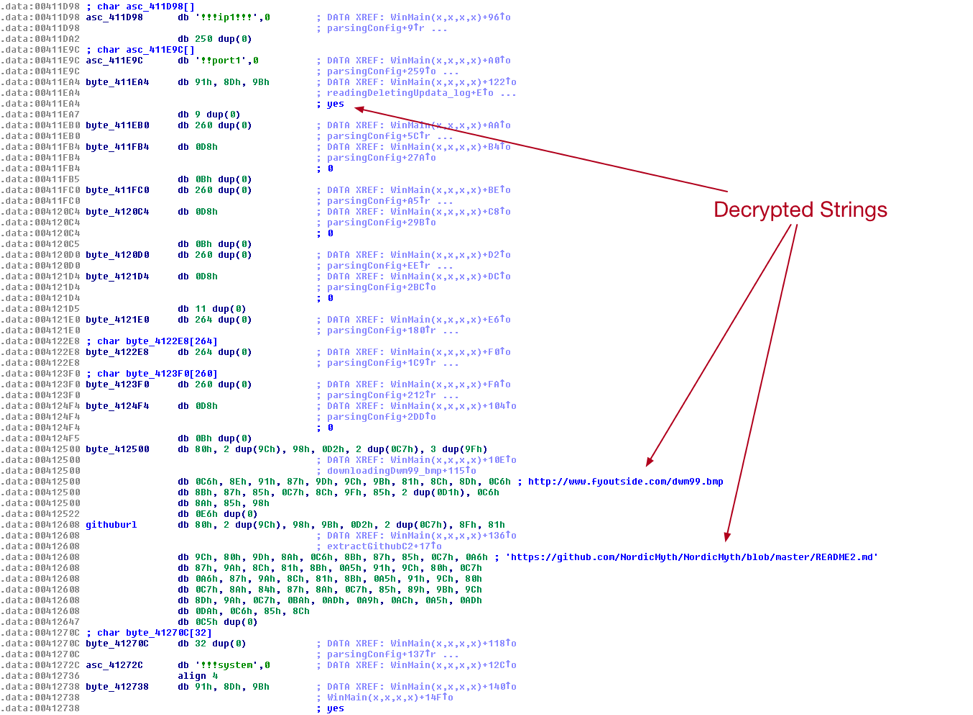
Figure 1 SunOrcal XOR-encoded Configuration Strings
After the configuration is parsed and decrypted, the malware will check the string at offset 0x412738 for a value of ‘yes’. If this is found, which is true in the case of this particular sample, the malware will attempt to communicate with GitHub to extract a host and port that will eventually be used by the final payload. This particular sample is configured to look at a file hosted at the following URL:
- https://github.com/NordicMyth/NordicMyth/blob/master/README2.md
This file contains the following information:
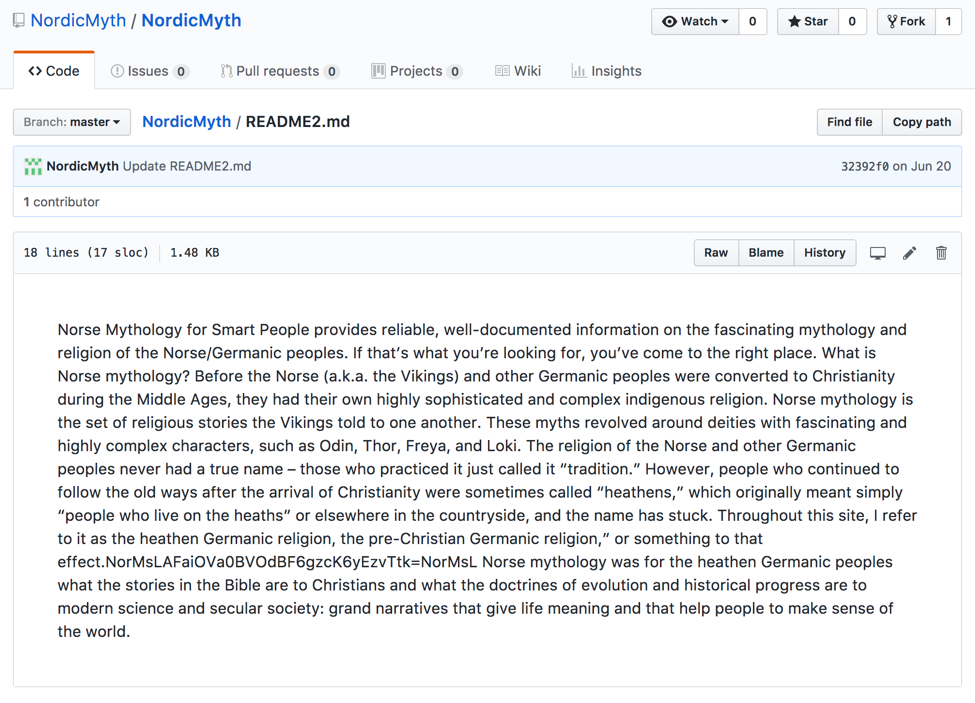
Figure 2 Contents of README2.md
Additionally, a number of other similar files are hosted in this repository as shown in figure 3:
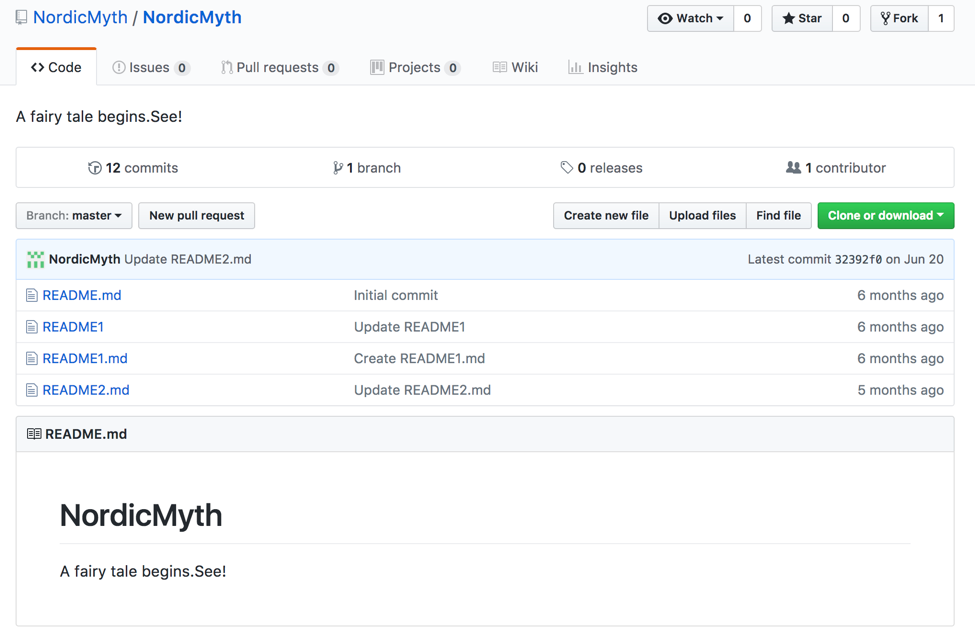
Figure 3 NordicMyth repository hosting various C2 information
Readers that look at the README2.md file contents may notice an oddity towards the bottom left within the paragraph of text. How this text is used will become apparent shortly.
At this stage, the malware will download the contents of this README2.md file and search for any data between two strings of ‘NorMsL’. In our previous example (as shown in figure 2), the following text is found between the two strings and so is returned:
- AFaiOVa0BVOdBF6gzcK6yEzvTtk=
This SunOrcal variant proceeds to decode this string using base64 with the following custom alphabet:
0123456789abcdefghijklmnopqrstuvwxyzABCDEFGHIJKLMNOPQRSTUVWXYZ+-
It then takes the resulting decoded text and decodes it yet again using the standard base64 alphabet. Finally, this resulting string from this double decoding operation is XORed against 0xE5. This entire process looks like the following:
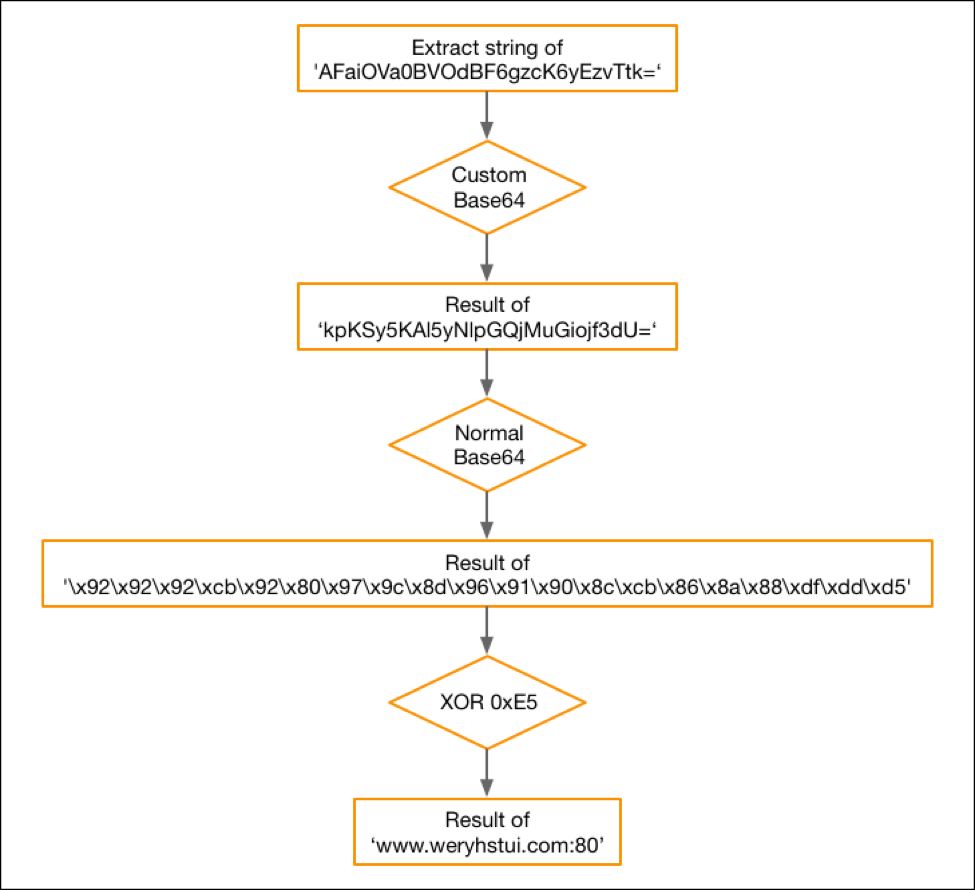
Figure 4 GitHub de-obfuscation process for extracting a C2 server
To date, we have only seen the NordicMyth GitHub repository used by SunOrcal variants using this GitHub technique. Using historical commits, we were able to observe the following remote C2 servers:
|
1 2 3 4 5 6 |
'AFaiOVa0BVOdBF6gzcK6yEzvTtk=':'www.weryhstui[.]com:80' 'AFaiOU2sw9q3w829RZ3jOUqayd-tRg==':'www.eyesfeel256[.]com:80' 'AFaiOUG9z8K4yE6cOUqayd-tRg==':'www.olinaodi[.]com:80' 'RdPnOZjjTsLkOZjlQt-tRg==':'192.168.1[.]104:80' 'RdviOZnbRsLkTZTl':'127.0.0[.]1:80' 'RdPnOZjjTsLkOZjlQt-tRg==':'192.168.1[.]104:80' |
After the C2 string is extracted from the remote GitHub URL, it will save both the host and the port to their relevant configuration variables.
At this point, SunOrcal will check the current version of Microsoft Windows to see if it is running Windows Vista or higher. If this is the case, it will use the following path to store subsequent files:
- C:\ProgramData\[random_directory]
Otherwise, it will use the following hard-coded directory:
- C:\Documents and Settings\All Users\Application Data\[random_directory]
Where ‘[random_directory]’ is a randomly chosen 8-byte alphanumeric string. In the event the malware identifies that it is already running within this path, it will read the ‘updata.log’ file stored in this path. This read data contains a file path to the original executable, which in turn is deleted, removing traces of the original infection.
Otherwise, SunOrcal will create the randomly named directory and create the ‘updata.log’ file, which it then will write to. The path of the currently running executable will be written to this log file. SunOrcal will also create a ‘data’ subdirectory.
The malware continues to copy itself to the random directory previously created with a filename of ‘sppsvc.txt’. This ‘sppsvc.txt’ file is then renamed to ‘sppsvc.exe’. This newly written executable then has its creation and last write time modified to reflect the year 2008. The last access time is modified to the year 2012. All other time values remain unchanged.
At this stage the malware will write the ‘updata.log’ file with the current filename’s path.
SunOrcal will write one the following registry key to ensure persistence:
HKCU\SOFTWARE\Microsoft\Windows\CurrentVersion\RunOnce\sppsvc : C:\ProgramData\[random_directory]\sppsvc.exe
HKCU\SOFTWARE\Microsoft\Windows\CurrentVersion\RunOnce\sppsvc : C:\Documents and Settings\All Users\Application Data\[random_directory]\sppsvc.exe
The malware continues to attempt to download a bitmap (.BMP) file from a remote location. This particular sample was configured to download it from the following URL:
- http://www.fyoutside[.]com/dwm99.bmp
This .BMP file is written to the previously created ‘data’ subdirectory, with a filename of ‘dwm.dll’. This BMP is in fact an obfuscated DLL file. Opening the BMP file makes this clear as shown in figure 5.
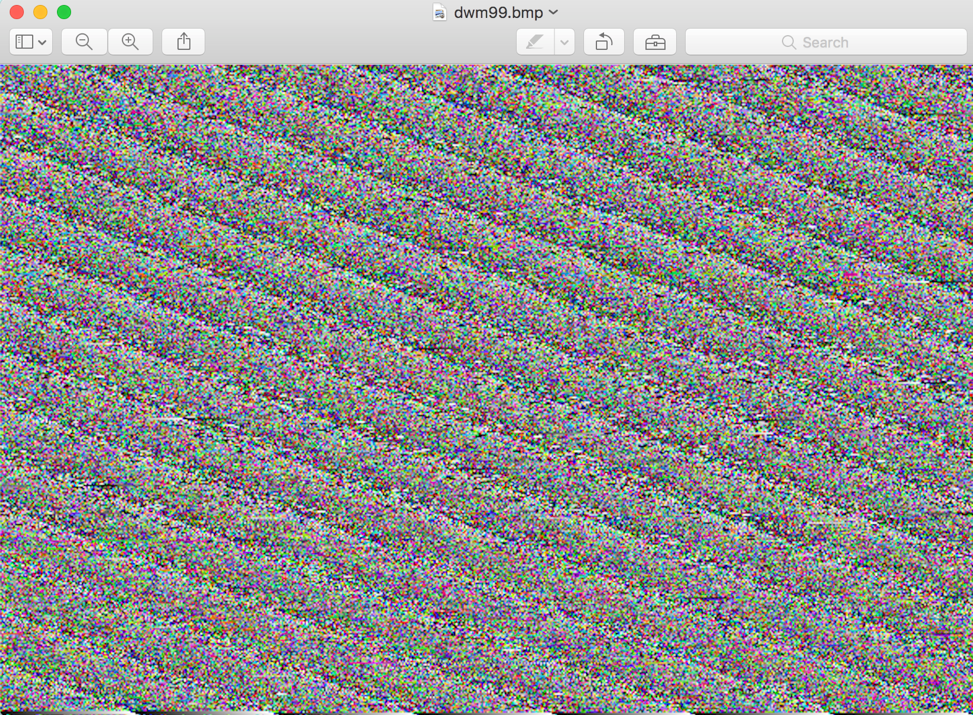
Figure 5 Downloaded BMP file containing obfuscated DLL file
Prior to be written to disk, SunOrcal will decode this BMP file using an incremental XOR scheme. The contents of the executable begin at offset 54 of the downloaded BMP. The following Python script may be used to decode this data:
|
1 2 3 4 5 6 7 8 9 10 11 12 13 14 15 16 17 18 |
import sys file=sys.argv[1] f=open(file,'rb') fd=f.read() f.close() def xor(data): out="" out+=data[0:54] c=255 fordindata[54:]: out+=chr(ord(d)^(c%256)) c+=1 returnout newfile="{}_{}.{}".format(file.split(".")[0],"decoded",file.split(".")[1]) f1=open(newfile,'wb') f1.write(xor(fd)) f1.close() print("[+] Wrote {}".format(newfile)) |
After running this script, we see the following differences:
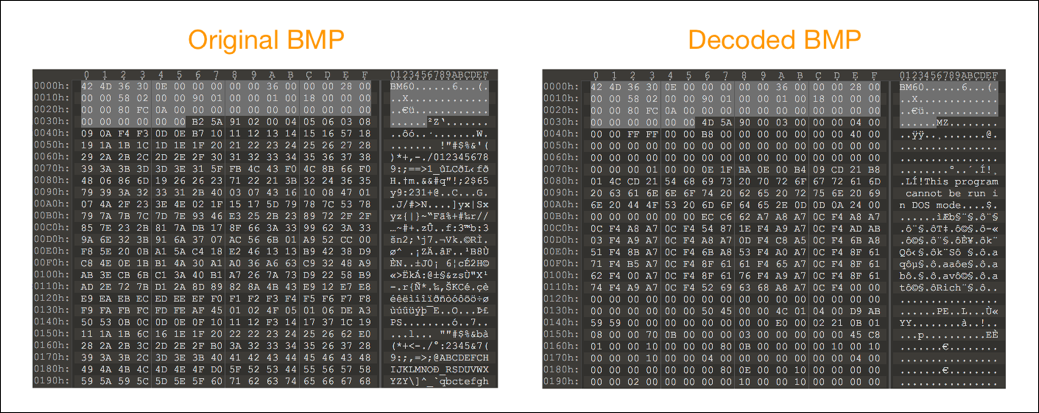
Figure 6 Decoding BMP file to reveal DLL file
As the decoded DLL is written to disk, the malware will also write configuration information to this file. This includes, but is not limited to, the C2 host and port it retrieved from GitHub earlier.
After this file is written, the malware proceeds to load the DLL and calls the ‘FunctionWork’ exported function. At this point, the final payload of SunOrcal is executed.
Ties to Reaver and previous SunOrcal and Surtr Activity
The new SunOrcal variant was used concurrently with both traditional SunOrcal and the new Reaver malware family since at least May 2017. There are multiple overlaps with the C2 infrastructure that we detailed in the previous Reaver blog. In addition to those overlaps, one of the domains we found as a C2 via historical commits to the NordicMyth GitHub, www.eyesfeel256[.]com, was also used as a C2 for SunOrcal activity in March and June 2016 targeting at least one organization in Myanmar. The domain hosting the SunOrcal malware in those attacks, www.outsidefly[.]com, is listed in a 2013 report discussing targeted attacks against Tibetan community using Surtr malware. All of these domains, and several others listed in the 2013 report, also have the same historic registrant as well as PDNS overlap and many have been used in earlier activity involving the SunOrcal and/or Surtr malware families. Several of the SunOrcal variants are also configured to use www.weryhstui[.]com and fyoutside[.]com in addition to GitHub, both of which are documented in our previous blog as used by both Reaver and traditional SunOrcal samples. Below is a simplified chart showing a sample of the overlaps that can be found while investigating activity involving these three malware families.

Figure 7. Chart showing some of the overlaps between Reaver, Surtr, and SunOrcal (traditional and the GitHub variant) malware families. All IOCs are in the appendix of this blog
Recent Attacks
One of the most recent attacks that Unit 42 found related to this campaign consisted of a malicious RTF document was served on November 8, 2017 with the following SHA256 hash:
45eee0e7e41f5781577f7f380d90eb7145ab6ba9a8f64df31bb6fd3e72693f33
This most recent malicious RTF in question had an original filename as follows:
Doanald Trump dự APEC khẳng định Vai Trò số 1 của Việt Nam ở Biển Đông khiến Trung Quốc bẽ mặt.doc
This roughly translates to the following:
Donald Trump of APEC confirms Vietnam's No. 1 role in South China Sea is humiliating.doc
Inspection of this RTF document revealed that it loads an embedded executable file that has heavy code overlap with the previously discussed SunOrcal variant. It looks to be streamlined to remove much of the previously witnessed functionality, and simply is configured to download a remote BMP file, decode it to reveal an executable file, and set persistence for this file.
The specific BMP is downloaded from the following location:
- http://www.fyoutside[.]com/l1106.bmp
In addition to the code overlap, the domain used to download this BMP has been used as a C2 for the SunOrcal variant leveraging steganography as well as with traditional SunOrcal, and was also seen hosting Reaver malware.
The payload is dropped to ‘%TEMP%\mstk.exe’ and the HKCU Run registry key is configured to point at this executable. This sample has been observed downloading the previously discussed Reaver malware family.
Conclusion
As attackers continue to grow and evolve, so does their toolsets. SunOrcal activity has been documented to at least 2013, and may have begun as early as 2010. This new variant was used concurrently with both Reaver and traditional SunOrcal, to include sharing much of the same infrastructure. We have also tied this activity to some involving the Surtr malware family, which is another tool used by these attackers.
As we have discovered, the attackers behind SunOrcal have updated this malware family to include both steganography techniques as well as the ability to collect C2 information from the popular GitHub service. It is interesting to note the rollout out of both a new malware family with three variants, along with an updated variant of a known family, coincides with what seems to be new targeting outside of what the attackers have targeted in the past. We have witnessed recent attacks that appear to be conducted by the same threat group but focused on Vietnam and Myanmar, instead of the traditional focus on the “Five Poisons”. These attacks use very topical lures to entice their targets to open and subsequently be infected by these files. We will continue to monitor this activity and report as appropriate.
Palo Alto Networks customers are protected from these threats via a number of ways:
- All malware families discussed are tagged within AutoFocus
- Malicious samples have been appropriately flagged within the WildFire platform
- Domains used by this threat have been classified as malicious
- Traps blocks the exploit used by the recently observed attacks
AutoFocus customers can monitor activity using these malware families with the following tags:
Appendix
SunOrcal Samples Using GitHub
e1d9cc6b5effa6a579801fb0d2fbfb700a50c916283dad205a7c88128376f098
d5e5abae142139484089974cbcaae5ac76d88f25a42fb961d8018a3c63a2601c
67ef25b0708e6c268d2cbd78d03141acfc9cf895b8422da69beb2ca598f2fcc7
a13647468498dd7c95de7d168c926cf53eb01fbc262bf372790b47b704c44a04
da0a0f940cc01f1e29304d860f144bde7a132d6e0abdec6588fac38875be248a
887aeccfb981266f1d47a68cba64de47a4945a63d3b1787294ac98842ff47ffd
81d887fefdbb0219647991c2b7bddf45c2fede4dc6fc18408f1706e0279615b2
840f55183809efa356cb1b7f4057f81e3752e7a6bcc1784f59551d988c690c48
58eac547fcba5572361daf4b49200f6d95114492ee296bc25542e8288e9542fa
163a82ab3db709da8fef18de67b71b19f300253b285bccccbf9375857d96e4d6
49adaad1ecfaba2de15d5024656ad277b39fcfcc07683c04a205bbedb027a9a1
491eec8b0d6aaf3aaeef3d4d53f5b94be6d84ab081d0d8e9859347e3c3cf0acc
48836912f48106e02ec0e083095fcf3a38cf871081e6cefbcd774e84168e8673
7288d5ae3c82cf3cda4815732edc144edb5ff728a5ecb0ba8caf76f7acde5488
0ea195e7927fb1d2d13c9b90da846f532be6924f8a2650c026c9105a297cce46
Malicious RTF
45eee0e7e41f5781577f7f380d90eb7145ab6ba9a8f64df31bb6fd3e72693f33
Traditional SunOrcal
799139b5278dc2ac24279cc6c3db44f4ef0ea78ee7b721b0ace38fd8018c51ac
58312fb742ce881e040e1b5b8555f00a402b8dd4fc886acaae2f862040b3bfc5
38ea33dab0ba2edd16ecd98cba161c550d1036b253c8666c4110d198948329fb
cb7c0cf1750baaa11783e93369230ee666b9f3da7298e4d1bb9a07af6a439f2f
Reaver
Reaver.v1
d560f44188fb56d3abb11d9508e1167329470de19b811163eb1167534722e666
Reaver.v2
98eb5465c6330b9b49df2e7c9ad0b1164aa5b35423d9e80495a178eb510cdc1c
05ddbd0506ec95fb460b3994e5b21cdb0418ba4aa406374ca1b91249349b7640
Reaver.v3
18ac3b14300ecfeed4b64a844c16dccb06b0e3513d0954d6c6182f2ea14e4c92
c0f8bb77284b96e07cab1c3fab8800b1bbd030720c74628c4ee5666694ef903d
9213f70bce491991c4cbbbd7dc3e67d3a3d535b965d7064973b35c50f265e59b
26c234c73e2c3448589c7d4a0cf17f615ad3666541a4e611e2d8b77637205bcf
ae9f158e4886cfdbfb4f1b3b25707d05f6fd873d0be9d8e7334a2c28741228ee
1fcda755e8fa23d27329e4bc0443a82e1c1e9a6c1691639db256a187365e4db1
c906250e0a4c457663e37119ebe1efa1e4b97eef1d975f383ac3243f9f09908c
1813f10bcf74beb582c824c64fff63cb150d178bef93af81d875ca84214307a1
Surtr
992e4577807e57b691acdfbace2651efe18292d1020fa94b44ea365885c6ccf0
4dffdd62a11d7095960a9a6583173dde418dd1c42df1cb656eeb6edeecde3917
Domains and IP addresses
www.weryhstui[.]com
www.eyesfeel256[.]com
www.olinaodi[.]com
www.fyoutside[.]com
www.flyoutside[.]com
www.outsidefly[.]com
www.eyestouch256[.]com
www.tashdqdxp[.]com
104.148.70[.]217
98.126.156[.]210
119.42.148[.]246
Text extracted automatically; images, tables and formatting may be missing. Original: https://unit42.paloaltonetworks.com/unit42-sunorcal-adds-github-steganography-repertoire-expands-vietnam-myanmar/