Yubico CEO: Two-factor authentication should mirror seat belt's history
Full article606 words · extracted from cyberscoop.com · click to collapse
Get our latest cybersecurity news first on Google.
Yubico CEO Stina Ehrensvard believes the right path for increasing adoption of the security practice is to follow the rise of seat belts in automobiles.
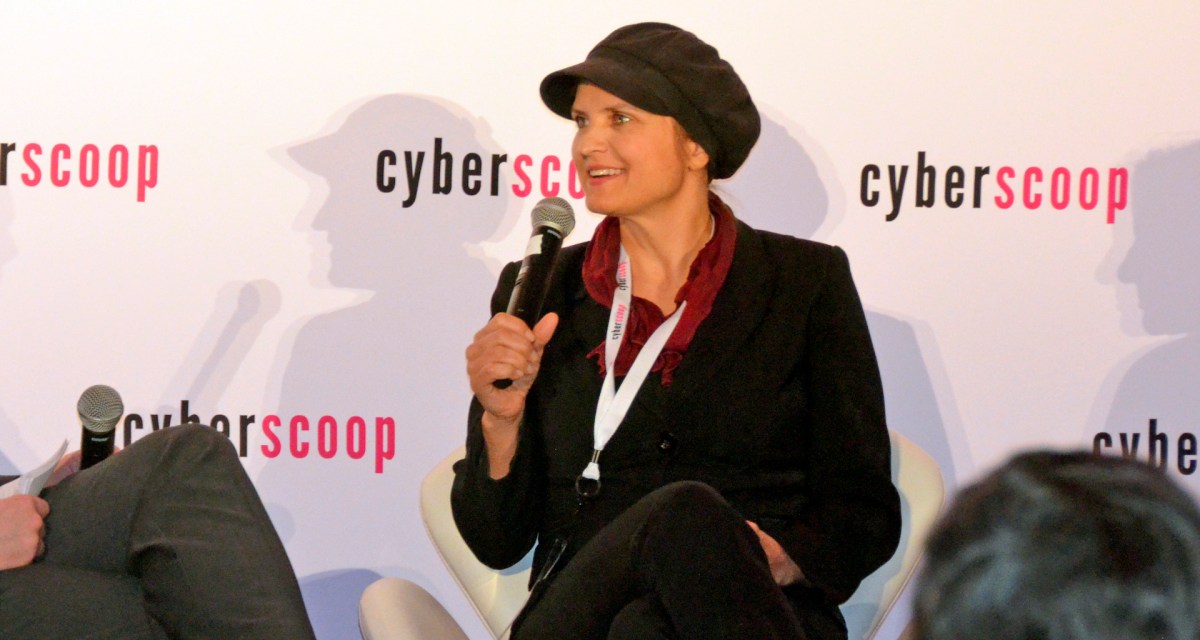
To push two-factor authentication into the future, one expert says we need to look back 50 years.
The way to increase adoption of the security practice is to mimic the rise of seat belts in automobiles, says Yubico CEO Stina Ehrensvard. People must evolve in their thinking about sensitive accounts and personal data in the same way that society expanded its awareness of the need for auto safety, Ehrensvard says.
“In the ’50s, there were 10 times less cars, but more fatal accidents,” Ehrensvard said during a panel at SF CyberTalks presented by CyberScoop. “We put out the car without the seat belts, without the crumple zones, without the airbags, and now they are standard features in cars. Because of that work, the car is safer.”
One thing that consumers probably don’t want to mimic: The timespan it took for safety belts to become a fact of life. They were introduced in the 1950s, but were not required by law until 1968.
Monday marked a milestone in Ehrensvard’s quest to make popular internet services as secure as modern automobiles. Her company, which makes authentication hardware, announced that the Yubico Security Key will be supported in Windows 10 devices and Microsoft Azure Active Directory (AD).
This means that organizations will be able to let employees and customers to sign in to Azure AD based applications and services without a password, simply by using Yubico’s physical key.
The partnership with Windows pushes Ehrensvard’s idea that multi-factor authentication should be as easy as possible to use if it’s ever going to become a normal part of internet’s users routines.
“We created this with a vision of single key to unlock any number of services,” she told CyberScoop. “In order to make it happen, we had to work with leading platforms and browsers to enable native support. If it doesn’t work out of the box, its not going to happen.”
She also said that two-factor authentication will rise with the increased adoption of open standards. FIDO2, an open authentication standard, is on track to be supported on over 600 million desktop and mobile devices around the world running Windows 10 Redstone 4 or later.
Latest Podcasts
Government
FBI officials say AI is bolstering adversaries, emphasizing need to focus on cyber basics, patching
Feds accuse China of ‘systematic’ distillation of U.S. AI models
CIA’s Michael Ellis says cyber intelligence is changing how the agency operates
Jail time for Maine child in 764 marks turning point in federal law enforcement
Technology
Threats
Chinese espionage groups swarm to exploit triple-link chain of zero-days
Microsoft discloses two actively exploited zero-days among 974 vulnerabilities
Russian national extradited to US for alleged involvement in bank-account takeover scheme
Attackers exploit zero-days in consistently besieged SonicWall product
Policy
Whistleblower says USPS deploying new, ‘untested’ IT systems governing mail-in ballots
‘Watershed 250’ test program in Texas looks to private sector for water cybersecurity help
Former sexual abuse victims say Grok used their images, videos to train deepfake capabilities
Cyber threats nudge Trump to sign executive order on foreign equipment in U.S. energy infrastructure
Text extracted automatically; images, tables and formatting may be missing. Original: https://cyberscoop.com/yubico-stina-ehrensvard-two-factor-authentication-seat-belt/