Trump fires CISA chief Chris Krebs, who guarded the 2020 election from interference and domestic misinformation
Full article1,119 words · extracted from cyberscoop.com · click to collapse
Get our latest cybersecurity news first on Google.
As head of DHS’s Cybersecurity and Infrastructure Security Agency, Krebs has repeatedly debunked baseless claims from Trump and his allies of widespread electoral fraud while generally avoiding mentioning the president by name.
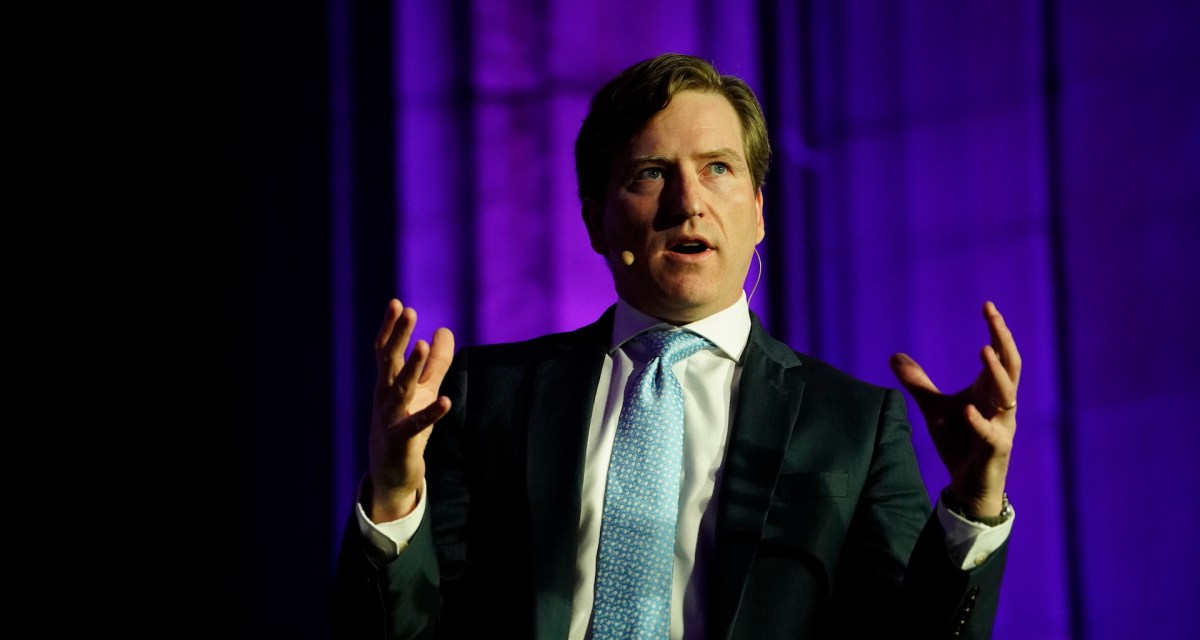
President Donald Trump on Tuesday said he had fired Chris Krebs, a widely respected Department of Homeland Security official who helped protect the 2020 election from hacking and disinformation, the latest in a series of purges of officials deemed insufficiently loyal to the president.
As head of DHS’s Cybersecurity and Infrastructure Security Agency, Krebs has repeatedly debunked baseless claims from Trump and his allies of widespread electoral fraud while generally avoiding mentioning the president by name. CISA’s “rumor control” public website, which refuted conspiracy theories about stolen votes or dead people voting, reportedly angered the White House.
Trump tweeted Tuesday evening that he fired Krebs because his agency issued a “highly inaccurate” statement that the 2020 election was secure. That statement, which was signed by election officials across the country, and backed up by independent security experts, said the election was the most secure in U.S. history.
Minutes after Trump’s tweet firing him, Krebs tweeted from his personal account: “Honored to serve. We did it right.”
A former Microsoft executive whom Trump’s White House appointed to a senior DHS role in 2017, Krebs helped build trust between state election officials and their federal counterparts following the 2016 election, when that relationship was rocky. He traveled the country in the months leading up to the 2018 midterms and the 2020 presidential vote, exhorting local officials to update their software and remain vigilant in the face of a persistent foreign hacking threat.
While suspected Iranian and Russian hackers accessed some U.S. voter data in the run-up to the 2020 election, it had no bearing on the voting process, officials said. Krebs’ agency deemed the election the most secure in American history, citing an increase from 2016 in the number of votes cast with a paper record, among other security measures.
But with the foreign threat kept at bay, domestic mis- and disinformation related to the vote raged online.
In the days after media outlets projected a Joe Biden victory over Trump, the president’s allies grew more furious in amplifying false claims of voter fraud. Krebs knocked down one particularly outlandish conspiracy theory pushed by former Trump adviser Steve Bannon, which claimed a U.S. government supercomputer stole votes, as “nonsense.” Krebs also retweeted an independent elections expert’s direct rebuke of the president’s ravings.
The White House also forced out Krebs’ deputy, Matt Travis, on Tuesday evening, a person with direct knowledge of the matter told CyberScoop. Travis’ resignation from CISA will make Brandon Wales, CISA’s executive director, the acting head of the agency.
Krebs’ firing caps days of drama in which private-sector cybersecurity experts rallied to his defense following a Reuters report that the CISA director expected to be fired. Those experts, and Democratic lawmakers, protested loudly that Krebs’ dismissal risked hurting national security at a perilous moment for the country. But Republican lawmakers who have previously praised Krebs, a Trump appointee, were notably silent in the days after the Nov. 3 vote.
Krebs and his agency had spent years going about their business and avoiding the wrath of a president who cares little for cybersecurity, but CISA’s fact-based insistence that the vote was secure and free of any notable fraud proved too much for the White House, which forced Bryan S. Ware, CISA’s assistant director for cybersecurity, out last week.
Krebs’ departure will be felt in other ways by the cybersecurity industry. He managed to connect with researchers and white-hat hackers in ways few government officials have. He was a fixture at DEF Con and Black Hat, the Las Vegas security conferences, sporting brightly colored pants and adopting a self-deprecating style to connect with the crowd.
That relationship led to a 2019 agreement to set up a secure and anonymous portal through which researchers could report software flaws to CISA, which would help fix them.
More Scoops
SCOTUS tosses one of two injunctions against Trump USPS mail-in ballot rules
The 6-3 decision dismisses one lawsuit brought by states, saying they have no standing to sue because the disputed sections “neither requires nor forbids anything of anyone outside…
Trump blames Minnesota for cyberattacks on water sector, drawing pushback from cyber world
Trump asks Supreme Court to let him curtail mail-in voting ahead of midterms
Latest Podcasts
Government
FBI officials say AI is bolstering adversaries, emphasizing need to focus on cyber basics, patching
Feds accuse China of ‘systematic’ distillation of U.S. AI models
CIA’s Michael Ellis says cyber intelligence is changing how the agency operates
The G7 tells industry to hurry up and prep for post-quantum encryption
Technology
Threats
Chinese espionage groups swarm to exploit triple-link chain of zero-days
Microsoft discloses two actively exploited zero-days among 974 vulnerabilities
Russian national extradited to US for alleged involvement in bank-account takeover scheme
Attackers exploit zero-days in consistently besieged SonicWall product
Policy
Whistleblower says USPS deploying new, ‘untested’ IT systems governing mail-in ballots
‘Watershed 250’ test program in Texas looks to private sector for water cybersecurity help
Former sexual abuse victims say Grok used their images, videos to train deepfake capabilities
Cyber threats nudge Trump to sign executive order on foreign equipment in U.S. energy infrastructure
Text extracted automatically; images, tables and formatting may be missing. Original: https://cyberscoop.com/trump-chris-krebs-2020-election-security-twitter/