US intel officials: Kremlin once again prefers Trump
Full article1,045 words · extracted from cyberscoop.com · click to collapse
Get our latest cybersecurity news first on Google.
In a briefing with reporters on Tuesday, U.S. intelligence officials said Russia is the most active U.S. adversary seeking to influence American politics.
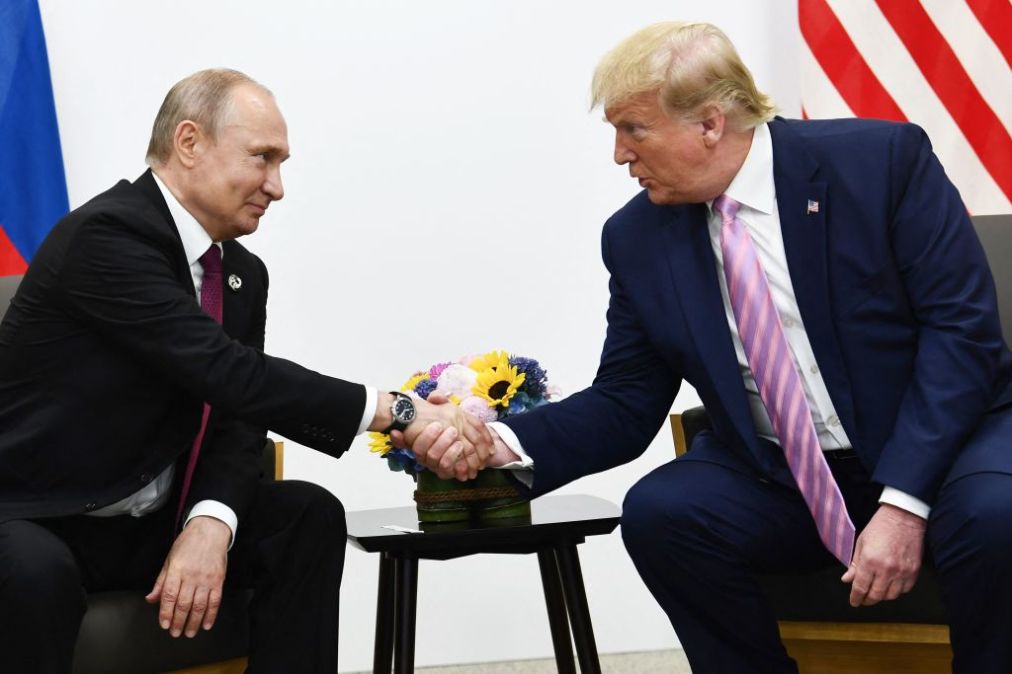
U.S. officials tracking efforts to meddle in American politics say that Russia continues to be the most active foreign power trying to influence voters, with the Kremlin once again preferring Donald Trump over his Democratic rival in November’s election.
In a briefing with reporters on Tuesday, U.S. intelligence officials speaking on condition of anonymity said the Kremlin is actively trying to shape American politics. While Russia hasn’t been observed trying to hack voting machines or voter registration systems, Moscow is engaged in a “whole-of-government approach to influence the election, including the presidential race, Congress and public opinion,” an official at the Office of the Director of National Intelligence said.
In 2016, U.S. intelligence agencies concluded that Russia’s efforts were designed to boost the electoral chances of Trump, the Republican nominee. When asked if that continued to be true about Moscow’s efforts today, the ODNI official said “we have not observed a shift in Russia’s preferences for the presidential race from past elections.”
Separately on Tuesday, American prosecutors said they had seized a pair of domains used by a Russian influence operation that relied on AI tools to generate content and personas that attempted to shape social media conversations about U.S. politics.
Officials at Tuesday’s briefing said China appears to be mostly refraining from carrying out influence operations targeting American politics, as it perceives little gain from more robust influence operations.
Iran, by contrast, was described by one official as a “chaos agent” more interested in exploiting U.S. political and social tensions than it is in fostering a specific electoral outcome.
In a statement on Tuesday, Director of National Intelligence Avril Haines accused Iran of seeking to amplify U.S. protests regarding Israel’s military operation in Gaza.
“We have observed actors tied to Iran’s government posing as activists online, seeking to encourage protests and even providing financial support to protestors,” said Haines, who noted that despite Iranian interference that she believed protesters are expressing their beliefs in good faith and exercising their free speech rights.
U.S. national security officials have described the current foreign influence landscape as both more complex and less intense than previous election cycles.
Officials at Tuesday’s briefing said they had no evidence that any country is attempting to directly interfere with this year’s voting or election process. “We have not observed any country plan or undertake efforts to degrade or disrupt the U.S.’ ability to hold an election,” the ODNI official said.
ODNI officials have said they view election “influence” activity, such as disinformation campaigns that seek to sway public opinion, as separate and distinct from “interference” that seeks to directly meddle with election infrastructure.
Tuesday’s briefing tracks with public reports released this year by Microsoft and Meta identifying Russia as the top purveyor of influence operations to directly target U.S. elections. Groups linked to the Russian government, like Doppelganger and CopyCop, have pumped out massive amounts of propaganda and fake content on Telegram and other platforms over the past year, though much of it appears to have failed to catch on with the broader public.
In contrast, officials described Iran and China as having far more muted roles.
While China is conducting influence activity on most social media platforms this cycle, they are moving “more cautiously” than Russia because officials see “little gain in choosing between two parties that are perceived as both seeking to contain Beijing,” one official said.
Intelligence officials said the Chinese government is seeking to expand its ability to collect and monitor data on social media platforms, something that could be deployed in later efforts to sway public opinion.
Chinese-linked disinformation actors have been heavily involved in other elections, like in Taiwan, where they deployed generative AI and mirrored Russian hack-and-leak tactics in an attempt to dampen the electoral prospects of the pro-independence Democratic Progressive Party. Those efforts, while extensive, largely failed as the DPP won its third consecutive presidential term and a majority of seats in the legislature this past January.
More Scoops
Trump blames Minnesota for cyberattacks on water sector, drawing pushback from cyber world
The president went against his intelligence agencies’ conclusions about Iran being the likely suspect in the campaign.

House intel bill includes provisions on state and local threat intelligence, election security, AI
State officials, election experts pan Trump speech: ‘This is what desperation looks like’
Latest Podcasts
Government
FBI officials say AI is bolstering adversaries, emphasizing need to focus on cyber basics, patching
Feds accuse China of ‘systematic’ distillation of U.S. AI models
CIA’s Michael Ellis says cyber intelligence is changing how the agency operates
The G7 tells industry to hurry up and prep for post-quantum encryption
Technology
Threats
Microsoft discloses two actively exploited zero-days among 974 vulnerabilities
Russian national extradited to US for alleged involvement in bank-account takeover scheme
Attackers exploit zero-days in consistently besieged SonicWall product
Jail time for Maine child in 764 marks turning point in federal law enforcement
Policy
Whistleblower says USPS deploying new, ‘untested’ IT systems governing mail-in ballots
‘Watershed 250’ test program in Texas looks to private sector for water cybersecurity help
Former sexual abuse victims say Grok used their images, videos to train deepfake capabilities
Cyber threats nudge Trump to sign executive order on foreign equipment in U.S. energy infrastructure
Text extracted automatically; images, tables and formatting may be missing. Original: https://cyberscoop.com/us-intel-officials-kremlin-once-again-prefers-trump/