Et Tu, Bing? Microsoft’s AI Image Generator Blocks Prompts for Julius Caesar
Full article578 words · extracted from 404media.co · click to collapse
Microsoft’s AI image generator is mysteriously blocking users from generating prompts that include “Julius Caesar” and “Marcus Aurelius.”
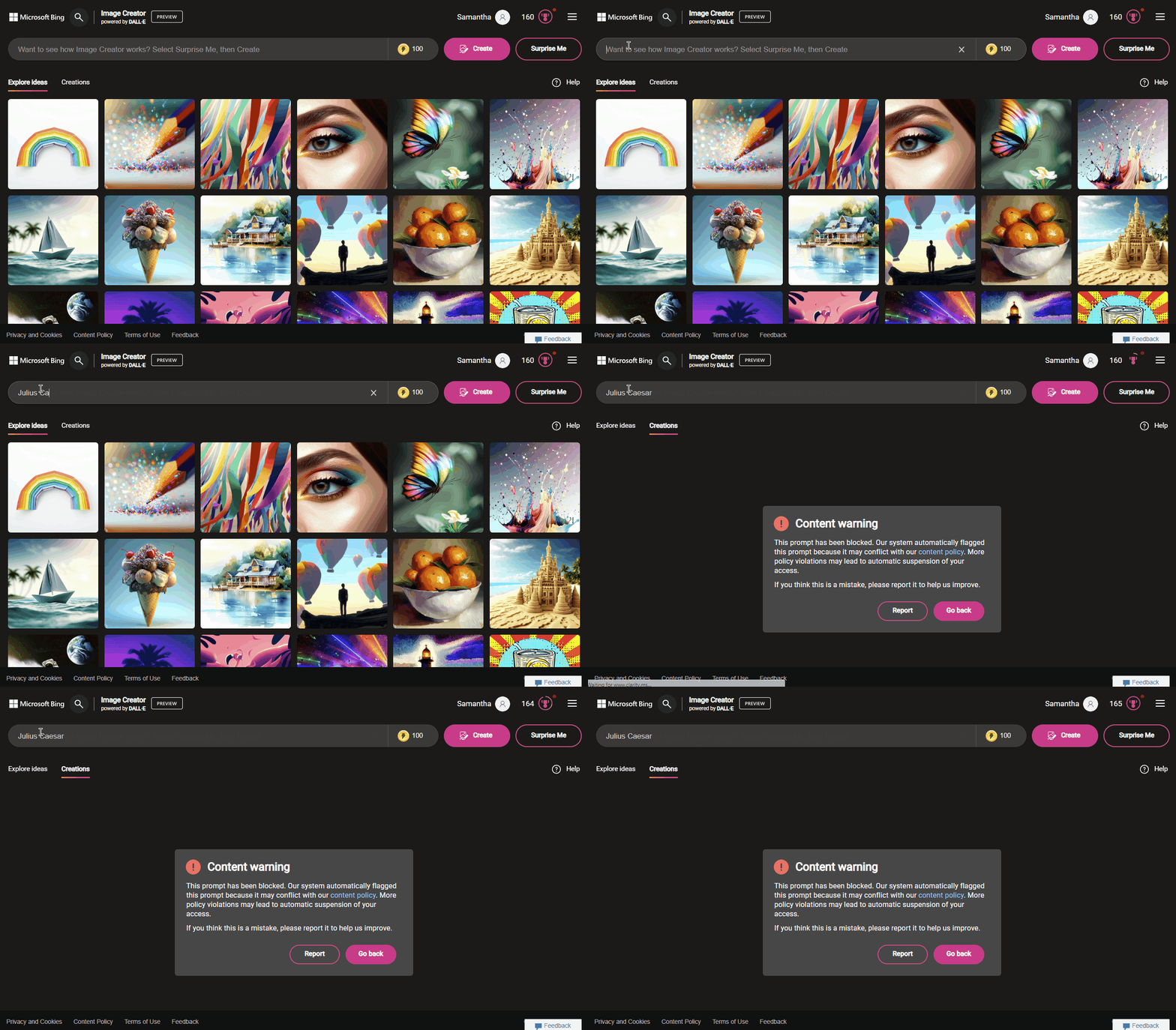
Only entering “Caesar” as the image prompt works fine, and results in moody images of a Roman leader. Similarly, “Aurelius” returns images of the stoic without a problem. But their full names trip the system up every time, even when combined with a longer prompt; “Marcus Aurelius riding a unicorn” and “Julius Caesar petting a cat” are blocked.
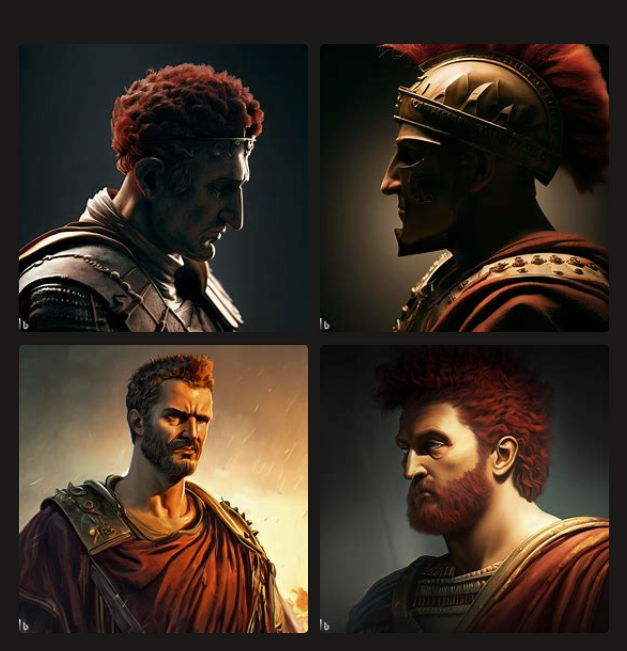
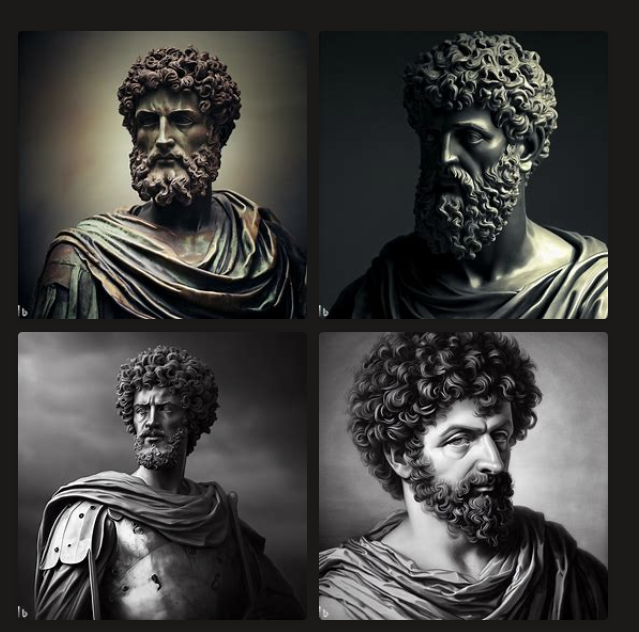
Bing Image Creator uses OpenAI’s DALL-E 3, a text-to-image model that creates AI art quickly and realistically. Bing’s terms of use forbid the usual things: sex, violence, gore, and hate speech. It’s possible that the platform is associating Caesar’s name with the most famous painting of him, “The Death of Julius Caesar” by Vincenzo Camuccini, which shows his assassination by 40 angry dudes with knives. But paintings of Aurelius are less violent, and he lived a pretty chill life as an emperor and philosopher.
The blocked prompts were noticed by Hacker News user curiosone on Tuesday.
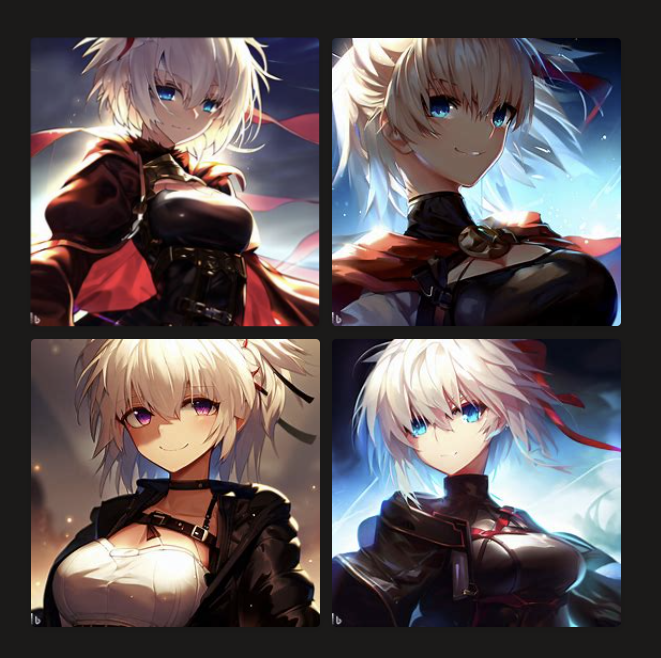
Bing had no issue with any other Roman emperors I searched, including Caligula, Nero, and Commodus, whose histories are much more violent than Caesar’s or Aurelius’s. Nero, hilariously, generates images of an anime character named Nero Claudius from the mobile game Fate/Grand Order.
It does, however, block users from generating other historical figures, like "Adolf Hitler or Joseph Stalin, but allows Genghis Khan and Vlad the Impaler. Donald Trump and Joe Biden, as prompts, are also blocked.
A Microsoft spokesperson told 404 Media: "We are taking a measured approach when blocking prompts which is why it may block prompts that could be harmful even if not perceived that way. As we continue to get feedback in preview we’ll adjust and tune the experience."
The tool has been overzealous on blocking content since launch, according to users who reported being blocked from generating innocuous things like “American flag” and images of geese.
In the last few weeks, we’ve collectively learned how often men think about the Roman empire (a lot, apparently), and asking one’s male partner how many times a week Rome crosses their minds became a meme. It’s possible Bing users flooded the model with requests for these two well-known emperors, and tripped some kind of security feature that’s meant to detect abuse. Moderation online has long been moving toward using machine learning models to make decisions instead of humans; in the case of generative tools like Bing, AI polices what AI is allowed to do.
💡
Notice anything interesting in your own experiments with generative AI? I would love to hear from you. Using a non-work device, you can message me securely on Signal at +1 646 926 1726. Otherwise, send me an email at [email protected].
9/27: This article was updated with comment from Microsoft.
Correction: A previous version of this article inaccurately called Julius Caesar and emperor; While the title is often misattributed to him, he was a general, not an emperor.
About the author
Sam Cole is writing from the far reaches of the internet, about sexuality, the adult industry, online culture, and AI. She's the author of How Sex Changed the Internet and the Internet Changed Sex.

Text extracted automatically; images, tables and formatting may be missing. Original: https://www.404media.co/microsoft-ai-image-generator-blocks-prompts-julius-caesar/