FBI says even in an AI-powered world, security basics still matter
Full article570 words · extracted from cyberscoop.com · click to collapse
Get our latest cybersecurity news first on Google.
AI is speeding up attacks but otherwise not changing their fundamental nature, said FBI official Jason Bilnoski.
Listen to this article
0:00
Learn more.
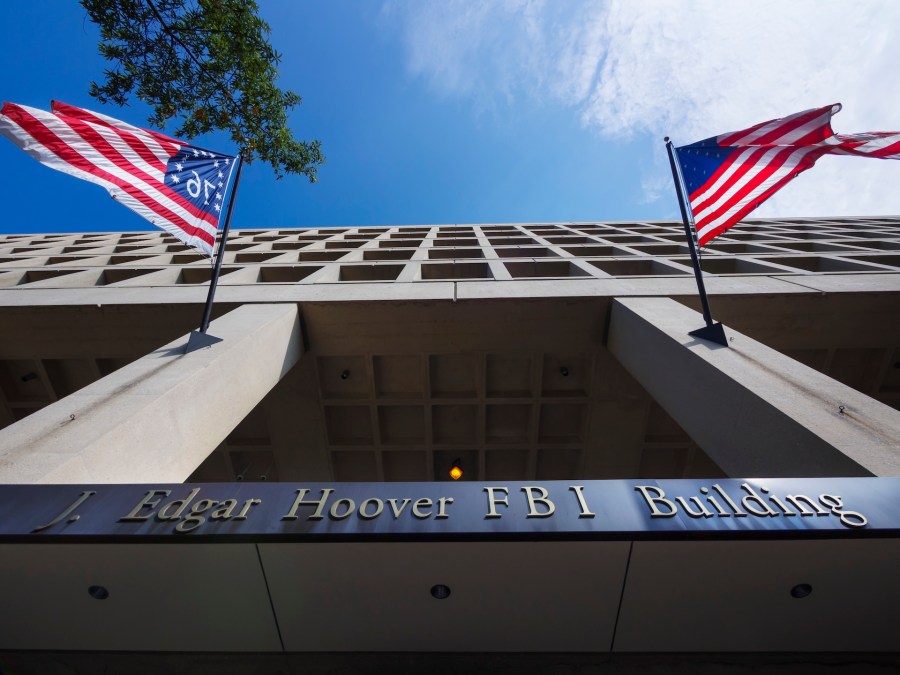
Artificial intelligence may be enhancing cyber threats, but the defensive approach to those AI-amplified attacks remains the same, a top FBI official said Tuesday.
“We have seen actors both criminal and nation-state, they’re absolutely using AI to their advantage,” said Jason Bilnoski, deputy assistant director at the FBI’s cyber division. “But the way attacks unfold have not changed. Cyberattacks still follow basic steps. It just becomes an incredible speed now.”
The best way to deal with those attacks is to implement all the traditional defenses, like those the FBI has been emphasizing as part of its Operation Winter SHIELD media campaign, he said.
“Don’t worry about the speed and capability” of AI attacks, Biloski said at a Billington Cybersecurity conference. “If you’re focused on the basics, it’ll help prevent the actual intrusion from occurring.”
It’s a message that the acting director of the Cybersecurity and Infrastructure Security Agency, Nick Andersen, also shared at the conference. Sophisticated attackers are out there, he said, but the agency’s recent binding operational directive for federal agencies to get rid of unsupported edge devices was a way of shoring up basic vulnerabilities.
“We continue to see any non-zero-days continuing to be exploited within this environment,” he said. “The very least that we can do is harden that edge and make it just a little bit more difficult to take advantage in that regard.”
His advice to state and local officials was to take a “back to the basics” approach, such as adopting multi-factor authentication.
Bilnoski offered further warnings about the threat, too.
“Identity is the new perimeter. You’re hunting legitimate traffic on your network,” he said. “So we’re no longer seeing malware drop. We’re no longer seeing these very noisy TTPs [tactics, techniques and procedures]. It’s legitimate credentials moving laterally throughout the network, as if it’s a legitimate user on the network. You need to hunt the adversaries as if they’re already on your network, because that’s the type of activity you’re looking for.”
Latest Podcasts
Government
Technology
Threats
Chinese espionage groups swarm to exploit triple-link chain of zero-days
Microsoft discloses two actively exploited zero-days among 974 vulnerabilities
Russian national extradited to US for alleged involvement in bank-account takeover scheme
Attackers exploit zero-days in consistently besieged SonicWall product
Policy
Whistleblower says USPS deploying new, ‘untested’ IT systems governing mail-in ballots
‘Watershed 250’ test program in Texas looks to private sector for water cybersecurity help
Former sexual abuse victims say Grok used their images, videos to train deepfake capabilities
Cyber threats nudge Trump to sign executive order on foreign equipment in U.S. energy infrastructure
Text extracted automatically; images, tables and formatting may be missing. Original: https://cyberscoop.com/fbi-operation-winter-shield-ai-cyber-defense-jason-bilnoski/