CyberMDX gets $10 million investment for medical device security
Full article567 words · extracted from cyberscoop.com · click to collapse
Get our latest cybersecurity news first on Google.
Funding for health care cybersecurity as worries grow over the vulnerability of medical devices.
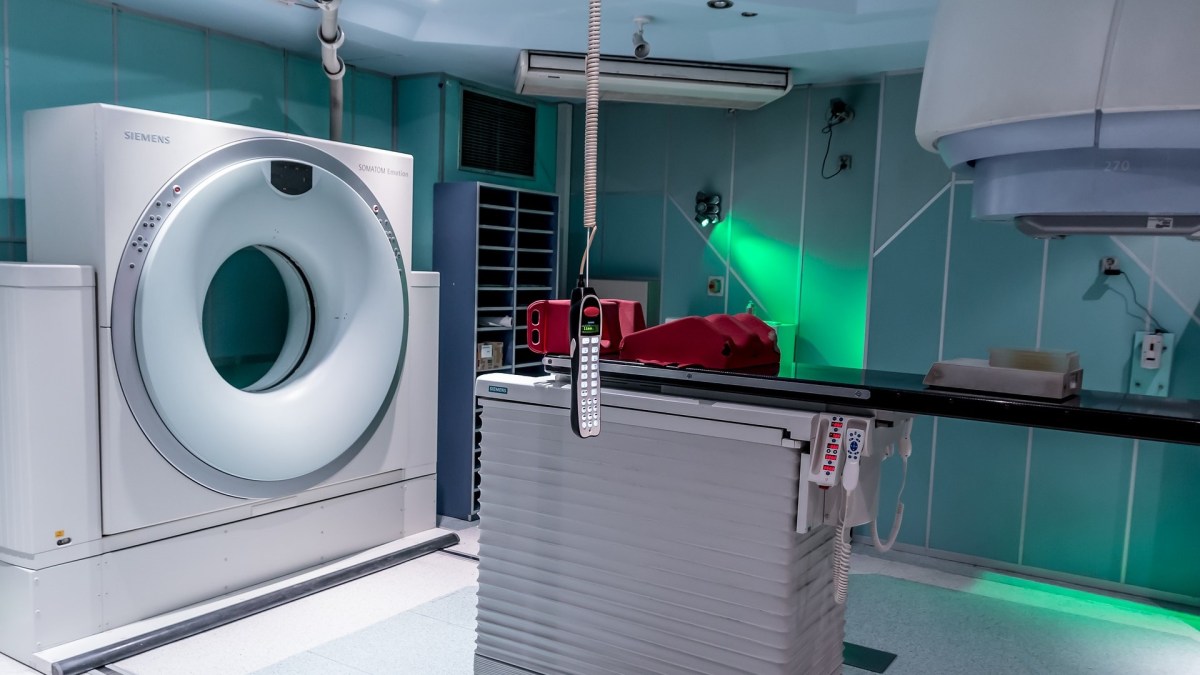
As hospitals continue to face cybersecurity issues stemming from vulnerable networks and medical gear, investors are throwing money at companies focused on defending them from hackers.
CyberMDX, a New York-based medical cybersecurity startup, announced on Tuesday that it raised $10 million in Series A funding, led by led by Pitango Venture Capital with participation from OurCrowd Qure.
The company’s product, MDefend, provides companies with visibility of the medical devices on their networks and looks out for threats and vulnerabilities associated with them.
Recent research shows that health care organizations are flooded with vulnerable, unpatched medical devices, many of which are visible on the open web to hackers. Such conditions are part of what made the WannaCry ransomware attack in 2017 so widespread. The virus slowed hospitals globally to a crawl because hackers locked practitioners out of their devices.
“The expedited growth of connected medical devices poses exceptional challenges for hospital network security. Connected devices have become an integral part of hospitals’ IT networks, yet they are not monitored and remain unprotected,” CyberMDX CEO Amir Magner said in a statement. “Cybersecurity for medical devices is an absolute necessity in order to enable hospitals to focus on their main and most important mission – treating and saving human lives.”
Magner formerly led the cyber division at the Israeli prime minister’s office, according to a press release distributed by the company.
Specialized cybersecurity firms like CyberMDX, CypherFrame, MedCrypt and others are filling a market gap that’s been apparently identified by investors and the health care providers alike.
“Existing security and [internet of things] solutions are not enough to protect the dynamic healthcare cyber threat landscape,” Rami Kalish, managing general partner at Pitango, said. “We believe the market will continue to see a shift towards specialized cybersecurity solutions that address hospitals’ unique needs.”
The issue is also on Congress’s radar. The House Energy and Commerce Committee earlier this year put out a request for information from the health care industry on how to keep older medical devices patched. The panel received about 300 pages of responses from dozens of organizations.
Latest Podcasts
Government
FBI officials say AI is bolstering adversaries, emphasizing need to focus on cyber basics, patching
Feds accuse China of ‘systematic’ distillation of U.S. AI models
CIA’s Michael Ellis says cyber intelligence is changing how the agency operates
The G7 tells industry to hurry up and prep for post-quantum encryption
Technology
Threats
Chinese espionage groups swarm to exploit triple-link chain of zero-days
Microsoft discloses two actively exploited zero-days among 974 vulnerabilities
Russian national extradited to US for alleged involvement in bank-account takeover scheme
Attackers exploit zero-days in consistently besieged SonicWall product
Policy
Whistleblower says USPS deploying new, ‘untested’ IT systems governing mail-in ballots
‘Watershed 250’ test program in Texas looks to private sector for water cybersecurity help
Former sexual abuse victims say Grok used their images, videos to train deepfake capabilities
Cyber threats nudge Trump to sign executive order on foreign equipment in U.S. energy infrastructure
Text extracted automatically; images, tables and formatting may be missing. Original: https://cyberscoop.com/cybermdx-10-million-series-a-medical-device-cybersecurity/