Senators take another swing at vulnerability disclosure policy bill for federal contractors
Full article843 words · extracted from cyberscoop.com · click to collapse
Get our latest cybersecurity news first on Google.
Sens. Warner and Lankford reintroduced their VDP bill after a companion version passed the House in March.
Listen to this article
0:00
Learn more.
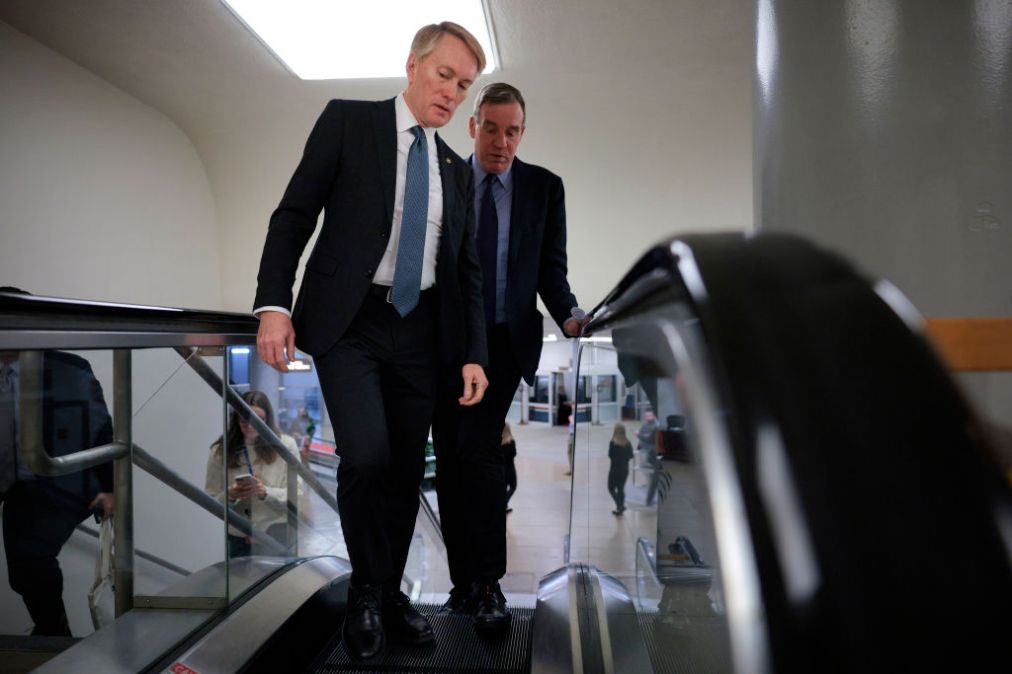
A bipartisan pair of senators is taking another shot at legislation that would require federal government contractors to follow National Institute of Standards and Technology guidelines on vulnerability disclosure policies.
The Federal Contractor Cybersecurity Vulnerability Reduction Act from Sens. Mark Warner, D-Va., and James Lankford, R-Okla., advanced out of the chamber’s Homeland Security and Governmental Affairs Committee last November, but never got a full floor vote.
The companion bill from Reps. Nancy Mace, R-S.C., and Shontel Brown, D-Ohio, meanwhile, was reintroduced in January and passed the House in March.
The re-do from Warner and Lankford would make sure government contractors have the same legal obligations that federal agencies do in abiding by NIST’s recommendations on vulnerability disclosure policies. With VDPs, organizations can receive unsolicited reports on software vulnerabilities and patch them before an attack occurs.
Warner said in a press release that VDPs “are crucial tools to help ensure that the federal government is operating using safe cybersecurity practices. This legislation will ensure that companies doing business with the federal government are held to the same standards, better securing the entire supply chain and protecting our national security.”
Said Lankford: “Federal agencies and contractors must be quickly made aware of cyber vulnerabilities, so they can resolve them. By strengthening cybersecurity efforts, contractors and agencies can keep their focus on serving the American people and keep data and systems safe from cybercrimes and hacking.”
The bill includes a requirement for the Office of Management and Budget to monitor updates to the Federal Acquisition Regulation that confirm implementation by federal contractors of VDPs that align with NIST standards. It has a similar callout for the Defense secretary and updates to the Defense Federal Acquisition Regulation Supplement.
The legislation has powerful industry backing: Bruce Byrd, executive vice president and general counsel of Palo Alto Networks, said in a statement that the legislation would “promote federal cyber resilience” and “benefit the entire cybersecurity ecosystem.”
Ilona Cohen, chief legal and policy officer at HackerOne, said the bill “addresses a critical gap in our nation’s defenses. This common sense legislation brings the practices of federal contractors in line with those of the agencies they serve and is essential to protect the government information and personal data they process.”
More Scoops
Warner bill would create federally vetted list for secure, trustworthy AI agents
The bill empowers the FTC to create a registry for sellers of AI agent software certifying their privacy and cybersecurity protections.
Senators revive bill to harmonize conflicting cybersecurity regulations

Senators move to quash the use of Chinese AI system by federal contractors
Latest Podcasts
Government
FBI officials say AI is bolstering adversaries, emphasizing need to focus on cyber basics, patching
Feds accuse China of ‘systematic’ distillation of U.S. AI models
CIA’s Michael Ellis says cyber intelligence is changing how the agency operates
The G7 tells industry to hurry up and prep for post-quantum encryption
Technology
Threats
Chinese espionage groups swarm to exploit triple-link chain of zero-days
Microsoft discloses two actively exploited zero-days among 974 vulnerabilities
Russian national extradited to US for alleged involvement in bank-account takeover scheme
Attackers exploit zero-days in consistently besieged SonicWall product
Policy
Whistleblower says USPS deploying new, ‘untested’ IT systems governing mail-in ballots
‘Watershed 250’ test program in Texas looks to private sector for water cybersecurity help
Former sexual abuse victims say Grok used their images, videos to train deepfake capabilities
Cyber threats nudge Trump to sign executive order on foreign equipment in U.S. energy infrastructure
Text extracted automatically; images, tables and formatting may be missing. Original: https://cyberscoop.com/senators-take-another-swing-at-vulnerability-disclosure-policy-bill-for-federal-contractors/