FCC tightens KYC rules for telecoms, closes loophole for banned foreign services
Full article1,095 words · extracted from cyberscoop.com · click to collapse
Get our latest cybersecurity news first on Google.
The commission wants telecoms to do more to verify their callers and prevent illegal calls and scams from reaching Americans.
Listen to this article
0:00
Learn more.
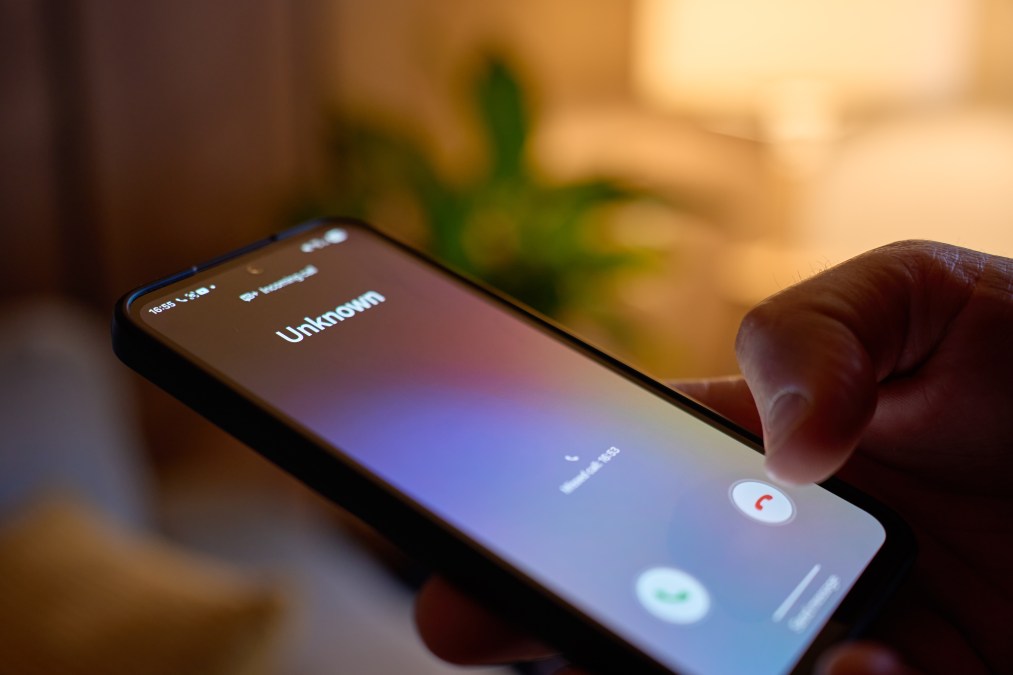
The Federal Communications Commission approved new regulations Wednesday designed to crack down on robocalling, protect telecommunications networks from cyberattacks and further vet equipment-testing labs based overseas.
Commissioners unanimously passed a measure to strengthen telecom companies’ “Know Your Customer” requirements for verifying callers’ identities. Among the potential solutions being considered are requiring telecoms to verify a customer’s name, address, government ID and alternative phone numbers prior to enabling their service.
In a statement ahead of the vote, FCC Chair Brendan Carr said that under current rules some telecoms “do the bare minimum” to verify callers and have “become complicit in illegal robocalling schemes.”
“As we have continued to investigate the problem of illegal robocalls over the last year, it has become clear that some originating providers are not doing enough to vet their customers, allowing bad actors to infiltrate our U.S. phone networks,” he said.
Current rules require telecoms to take “affirmative, effective” measures to verify callers and block illegal calls, but in practice this system has largely relied on self-attestation from the companies. Because a single call can traverse multiple networks, carriers must also often rely on identity verification performed by other telecoms.
For example, the telecom that transmitted thousands of false robocalls imitating then-President Joe Biden during the 2024 New Hampshire presidential primary initially reported to the FCC that they had the highest level of confidence in the identity of those using the phone numbers. That turned out to be false, as the robocallers spoofed a well-known former state Democratic Party official.
Unsurprisingly, the commission is also interested in finding ways to better enforce Know Your Customer rules, including tying penalties to the number of illegal calls that were placed.
Since 1999, the FCC has traditionally granted blanket authorization for domestic carriers to operate interstate telecommunications services within U.S. borders. Another rule passed by the commission today would formally end that practice for foreign companies on the FCC’s covered entity list.
The list bans a small number of foreign companies based in Russia or China from selling their equipment in the U.S. on national security grounds, but Carr said equipment from those companies often wind up in U.S. products by providing services that don’t fall under the current legal definition of international telecommunications authority.
Commissioner Olivia Trusty, who helped lead the development of the rule, said cybersecurity threats facing telecom networks today “exceed those of any recent era” and that updates must be made to modernize and harden networks.
“In response to these growing hostilities, it is imperative that we re-examine policies that permit access to U.S. networks to ensure that frameworks originally designed to promote economic growth are not exploited in ways that jeopardize our national and economic security,” Trusty said in a statement after the vote passed.
The FCC also passed a third measure that would refuse to recognize any testing or equipment lab based overseas that does not have a reciprocity agreement in place with U.S.-based labs. The rule builds off efforts last year to prohibit telecoms from relying on testing and certification labs that are owned or operated by foreign adversarial countries like China or Russia, which led to the FCC withdrawing or denying certification of 23 overseas labs.
More Scoops
FCC passes new cybersecurity rules for emergency systems, undersea cables
The new rules would overhaul national emergency systems to protect against hijacking and update federal security review rules for undersea cables providers
FCC pushes new rules to crack down on robocallers, foreign call centers
Critics call FCC router rule a ‘big swing’ that could create more supply chain uncertainty
Latest Podcasts
Government
FBI officials say AI is bolstering adversaries, emphasizing need to focus on cyber basics, patching
Feds accuse China of ‘systematic’ distillation of U.S. AI models
CIA’s Michael Ellis says cyber intelligence is changing how the agency operates
The G7 tells industry to hurry up and prep for post-quantum encryption
Technology
Threats
Policy
Whistleblower says USPS deploying new, ‘untested’ IT systems governing mail-in ballots
‘Watershed 250’ test program in Texas looks to private sector for water cybersecurity help
Former sexual abuse victims say Grok used their images, videos to train deepfake capabilities
Cyber threats nudge Trump to sign executive order on foreign equipment in U.S. energy infrastructure
Text extracted automatically; images, tables and formatting may be missing. Original: https://cyberscoop.com/fcc-know-your-customer-supply-chain-security-rules/