DOJ drops Trump-era 'China Initiative' but remains focused on nation
Full article736 words · extracted from cyberscoop.com · click to collapse
Get our latest cybersecurity news first on Google.
The initiative has been accused of racial bias. The new plan includes China along with other U.S. adversaries.
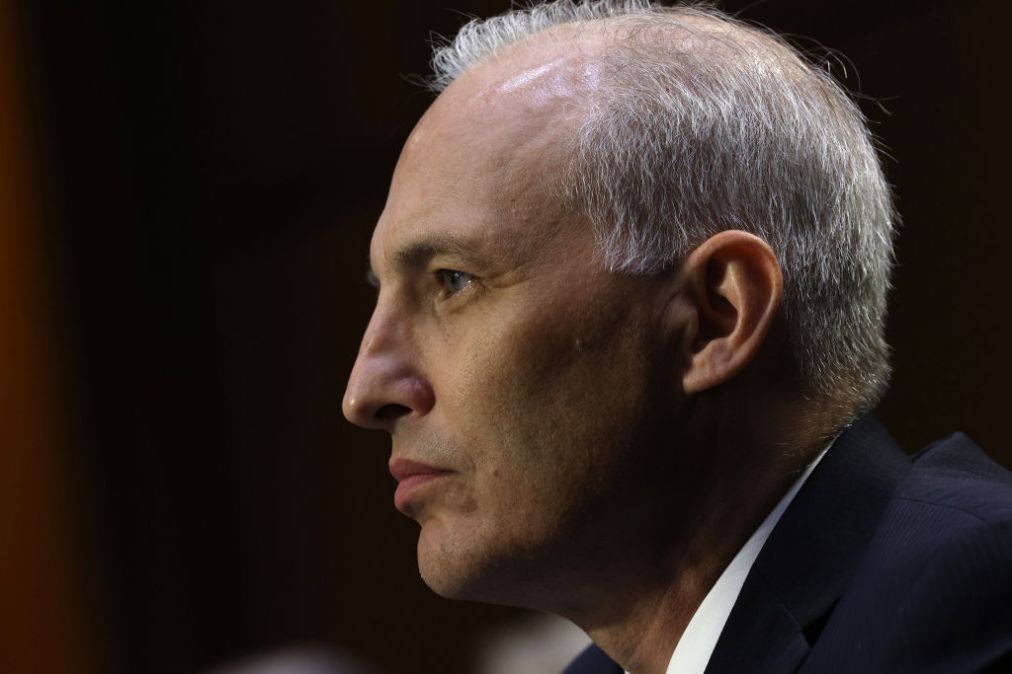
The U.S. Department of Justice is closing down its controversial “China Initiative,” instead launching a broader strategy toward countering multiple threats from several countries, a senior department official said Wednesday.
The new “Strategy for Countering Nation-State Threats” will focus the department’s resources on multiple concurrent threats from China, Russia, Iran and North Korea, such as transnational repression, foreign malign influence and cyberthreats, said Assistant Attorney General Matthew Olsen in remarks at George Mason University.
“We see nations such as China, Russia, Iran and North Korea becoming more aggressive and more capable in their activity than ever before,” Olsen said, adding that the new strategy “is threat driven,” and an attempt to counter malign activity from multiple countries, not just China.
The China Initiative — launched during the Trump administration to group espionage, intellectual property theft and cybecrime cases involving Chinese suspects under one effort — was criticized for alleged racial profiling and unfair targeting and treatment of academics with ties to China.
Olsen said he believed that “the department’s actions have been driven by genuine national security concerns.” But the China Initiative helped fuel a “harmful perception that the department applies a lower standard to investigate and prosecute criminal conduct related to that country or that we in some way view people with racial, ethnic or familial ties to China differently.”
Going forward the DOJ will recognize the “full spectrum” of threats from each country.
“We will use all the legal tools in our arsenal to combat these threats,” Olsen said, such as “prosecuting state agents for espionage, hacking campaigns against our government and the private sector, and the repression of critics, as well as efforts to manipulate public discourse in the United States.”
Interference, influence and crime
Olsen offered examples of the kinds of cases the department has brought in recent years that typify the activity that will fall under the new strategy. The DOJ has prosecuted covert influence operations on behalf of Russia, China, Malaysia and Pakistan, he said, and the department is working to strengthen enforcement of the Foreign Agents Registration Act.
Cyberthreats represent a unique challenge, Olsen said, where “the failure of hostile nation states to respect national borders and basic legal norms is even more stark.” He pointed to continuous “interference with critical infrastructure and public service systems, supply chains and private businesses.” Those threats occur simultaneous to data theft, ransomware attacks and digital extortion, he said.
He pointed to Chinese breaches of Microsoft Exchange servers, the Russian government’s hack of SolarWinds — which compromised dozens of government agencies and hundreds of private companies — along with Iranian interference operations and North Korean attacks on cryptocurrency exchanges.
China “stands apart,” Olsen said, citing recent comments from FBI Director Christopher Wray, and will still get the department’s full attention if cases can be brought.
DOJ prosecutors must “protect the United States from the myriad threats we face, while staying true to the Constitution and the values of the Justice Department,” Olsen said.
Latest Podcasts
Government
FBI officials say AI is bolstering adversaries, emphasizing need to focus on cyber basics, patching
Feds accuse China of ‘systematic’ distillation of U.S. AI models
CIA’s Michael Ellis says cyber intelligence is changing how the agency operates
The G7 tells industry to hurry up and prep for post-quantum encryption
Technology
Threats
Microsoft discloses two actively exploited zero-days among 974 vulnerabilities
Russian national extradited to US for alleged involvement in bank-account takeover scheme
Attackers exploit zero-days in consistently besieged SonicWall product
Jail time for Maine child in 764 marks turning point in federal law enforcement
Policy
Whistleblower says USPS deploying new, ‘untested’ IT systems governing mail-in ballots
‘Watershed 250’ test program in Texas looks to private sector for water cybersecurity help
Former sexual abuse victims say Grok used their images, videos to train deepfake capabilities
Cyber threats nudge Trump to sign executive order on foreign equipment in U.S. energy infrastructure
Text extracted automatically; images, tables and formatting may be missing. Original: https://cyberscoop.com/china-initiative-dropped-doj-nation-state-threats/