Iranian hackers were more coordinated, aligned during Israel conflict than it seemed
Full article684 words · extracted from cyberscoop.com · click to collapse
Get our latest cybersecurity news first on Google.
SecurityScorecard and the Middle East Institute said in separate reports this week that Iranian hacker operations during the 12-day conflict exhibited clear strategic intent.
Listen to this article
0:00
Learn more.
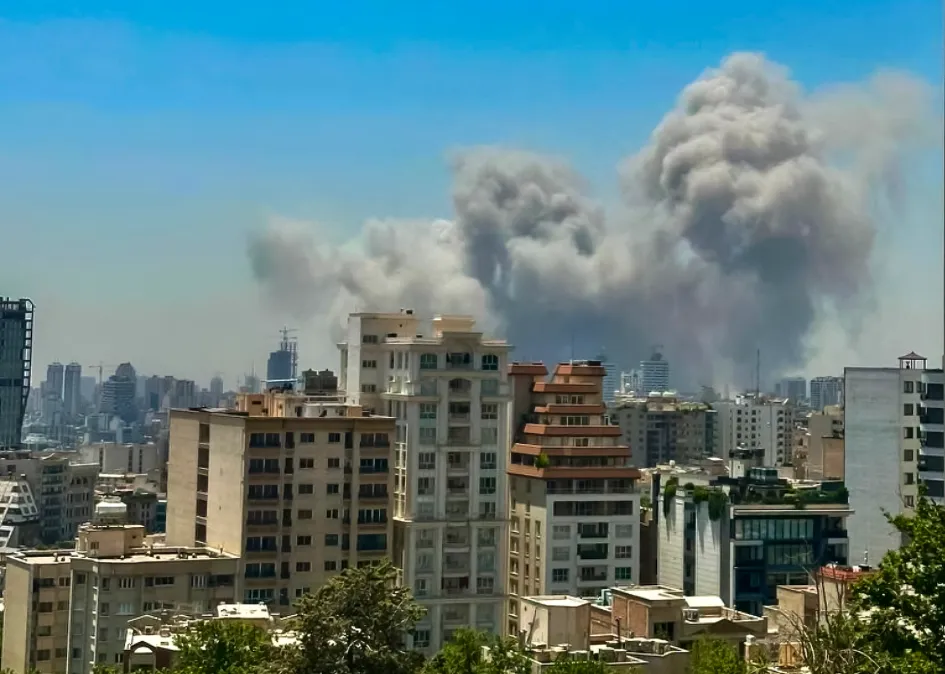
The apparently disjointed response from Iranian hackers to the 12-day conflict with Israel in June actually demonstrated a significant degree of alignment and coordination, according to research published Tuesday.
SecurityScorecard’s STRIKE Team analyzed 250,000 messages from Iranian proxies and hacktivists from more than 178 groups whose activity ranged from pushing propaganda to stealing data to defacing websites to launching cyberattacks.
“Our analysis reveals a detailed map of operations that were fast, targeted, and ideologically charged,” its report states. “In many cases, the threat groups appear to have coordinated their operations with agility and deep alignment.”
Separately Monday, the Middle East Institute published an analysis that arrived at similar conclusions.
“Iran’s conduct in cyberspace during the 12-day war marked a turning point in its cyber strategy, reflecting greater coordination, clearer strategic intent, and the integration of digital tools across military, political, and psychological domains,” Nima Khorrami, an analyst at NSSG Global and a research associate at the Arctic Institute, wrote for the think tank.
The cyber fallout from the 12-day conflict led to a warning from the U.S. government about potential spillover. But some have questioned how effective any of the cyber operations between Iran and Israel were.
“It can be easy to conflate the volume of cyber activity in the Israel-Iran war with decisive impact,” Nikita Shah, a senior resident fellow at the Atlantic Council’s Cyber Statecraft Initiative, wrote last week. “But the value of cyber attacks for each state came from them serving as a means of shaping and augmenting the information environment, rather than bringing the conflict to a conclusive end. While these incidents may have caused harm or disruption in the short-term, they failed to provide any decisive military advantage. Instead, the impact was disproportionately felt by ordinary Iranian and Israeli citizens.”
SecurityScorecard highlighted how one group, the Iranian government-connected group known as Imperial Kitten or Tortoiseshell, changed tactics as the fighting grew more intense. It began using conflict-themed phishing lures and built infrastructure for the campaign almost immediately after the onset of physical battles.
That suggested the group “has planning or tasking cycles that respond quickly to conflict flashpoints,” SecurityScorecard said.
Further Iranian hacking activity included conducting reconnaissance, recruiting on the Telegram messaging app and advertising vulnerabilities, the company observed.
Latest Podcasts
Government
FBI officials say AI is bolstering adversaries, emphasizing need to focus on cyber basics, patching
CIA’s Michael Ellis says cyber intelligence is changing how the agency operates
The G7 tells industry to hurry up and prep for post-quantum encryption
Jail time for Maine child in 764 marks turning point in federal law enforcement
Technology
Threats
Policy
Whistleblower says USPS deploying new, ‘untested’ IT systems governing mail-in ballots
Former sexual abuse victims say Grok used their images, videos to train deepfake capabilities
Cyber threats nudge Trump to sign executive order on foreign equipment in U.S. energy infrastructure
Election official says Tina Peters would be consultant, won’t have access to election systems
Text extracted automatically; images, tables and formatting may be missing. Original: https://cyberscoop.com/iranian-hackers-12-day-conflict-hacktivism-securityscorecard/