Election security bill still needs work in some areas, state officials tell Senate sponsors
Full article845 words · extracted from cyberscoop.com · click to collapse
Get our latest cybersecurity news first on Google.
Six states discussed with the main sponsors of the Secure Elections Act how they would implement the bill.
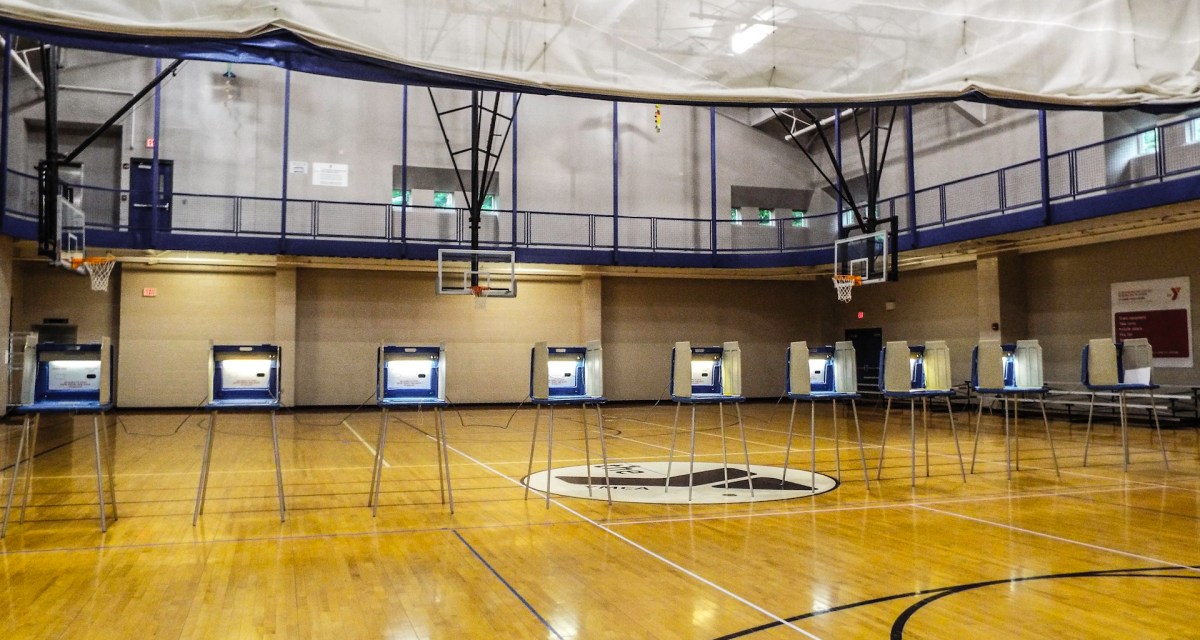
Several secretaries of state are telling the main backers of a Senate election security bill that the legislation might need tweaks to how it addresses information sharing, state-federal communication channels, funding mechanisms and post-election audits, among other things.
The secretaries, who are the top election officials in their states, met with bill sponsors James Lankford, R-Okla., and Amy Klobuchar, D-Minn., in person and via phone Monday to discuss the Secure Elections Act. The legislation is intended to bolster election security by smoothing out coordination between the state and federal levels and providing states financial support for operations and equipment upgrades. State secretaries from Indiana, Louisiana, Minnesota, Missouri, Colorado and New Mexico participated in the meeting.
A spokesperson for Indiana Secretary of State Connie Lawson said that the secretary suggested quicker intelligence reporting to states. Among the ways the Department of Homeland Security is currently coordinating with states is by sponsoring security clearances for state election officials to review information about election security threats. In a Senate Intelligence Committee hearing in March, DHS cybersecurity official Jeanette Manfra told lawmakers that the department had issued clearances to 21 officials in 19 states.
A DHS spokesperson did not respond to request for comment the current number of clearances. DHS and the Election Assistance Commission would be the point agencies to carry out much of what the bill would offer.
Colorado Secretary of State Wayne Williams brought up the way the bill addresses election audits, according a spokesperson. The bill aims to allocate funding to incentivize states to conduct risk-limiting audits, whereby a certain percentage of ballots are counted by hand post-election to statistically verify the results’ authenticity. Election security experts have advocated for such audits as a way to detect whether results were altered by possible hacking.
“One area in particular for Colorado addresses changing the definition of an audit to reflect our more advanced process,” Williams said through the spokesperson.
Colorado became the first state in the country last year to conduct a statewide risk-limiting audit. The spokesperson did not clarify how the bill’s definition differs from Colorado’s.
“The conversation did go very well and was an opportunity for the senators to hear directly from secretaries of state about how they would implement the law and whether or not additional resources might be needed,” D.J. Jordan, a spokesperson for Lankford, told CyberScoop.
Maria Benson, director of communications for the National Association of Secretaries of State, told CyberScoop that the group appreciates Lankford and Klobuchar for holding the meeting, but that NASS has not taken an official position on the bill.
“During the meeting specific suggestions to the bill were made, including faster intelligence reporting to the states among other things. It is our hope the Senators will take them into consideration and we look forward to continued positive discussions,” Benson said in an email.
More Scoops
House intel bill includes provisions on state and local threat intelligence, election security, AI
The House Intelligence Committee advanced its fiscal 2027 authorization legislation Monday.
Deepfakes, dollars and ‘deep state’ fears: Inside the minds of election officials heading into 2024
Everything you need to know about voting by mail
Latest Podcasts
Government
FBI officials say AI is bolstering adversaries, emphasizing need to focus on cyber basics, patching
Feds accuse China of ‘systematic’ distillation of U.S. AI models
CIA’s Michael Ellis says cyber intelligence is changing how the agency operates
The G7 tells industry to hurry up and prep for post-quantum encryption
Technology
Threats
Chinese espionage groups swarm to exploit triple-link chain of zero-days
Microsoft discloses two actively exploited zero-days among 974 vulnerabilities
Russian national extradited to US for alleged involvement in bank-account takeover scheme
Attackers exploit zero-days in consistently besieged SonicWall product
Policy
Whistleblower says USPS deploying new, ‘untested’ IT systems governing mail-in ballots
‘Watershed 250’ test program in Texas looks to private sector for water cybersecurity help
Former sexual abuse victims say Grok used their images, videos to train deepfake capabilities
Cyber threats nudge Trump to sign executive order on foreign equipment in U.S. energy infrastructure
Text extracted automatically; images, tables and formatting may be missing. Original: https://cyberscoop.com/election-security-bill-congress-lankford-klobuchar/