Suspect in case of Mirai botnet, which knocked major sites offline in 2016, pleads guilty
Full article575 words · extracted from cyberscoop.com · click to collapse
Get our latest cybersecurity news first on Google.
Sentencing is scheduled for January 2021.
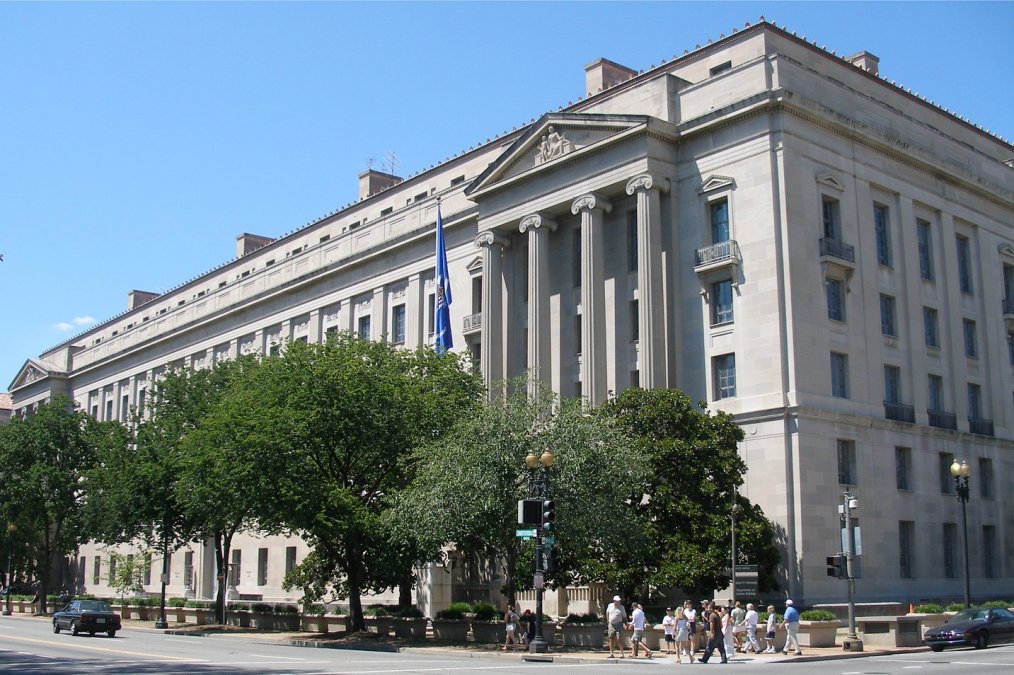
The U.S. Department of Justice on Wednesday announced that an unnamed defendant has pleaded guilty in connection with a cyberattack that rocked the internet in 2016.
The October 2016 distributed denial-of-service attack affected Dyn, an internet infrastructure company, before rippling out to cause outages for sites including Twitter, Netflix, Spotify, AirBnb and Reddit, among others. DDoS attacks typically occur when attackers access a network of hacked computers, then direct those connections to a single point on the web, overwhelming the target with traffic and knocking it offline.
In this case, the defendant in question conspired with others in September and October 2016 to leverage an offshoot of an army of hackers computers known as the Mirai botnet, the Justice Department said Wednesday. The malicious tool relied on connected video cameras, recorders and other devices to carry out the incident.
Authorities withheld the name of the defendant because they were a juvenile at the time of the offense. The guilty plea took place in a closed hearing the the District of New Hampshire. The presiding judge scheduled sentencing for Jan. 7, 2021.
They pleaded guilty to conspiring to commit computer fraud and abuse by operating a botnet and by intentionally damaging a computer.
The Dyn attack had a resounding effect on the cybersecurity community when it occurred just weeks before the 2016 presidential election. While the Department of Homeland Security launched an initial investigation into the incident, journalists reported that the code for the Mirai botnet has been publicly available prior to the incident, complicating the probe.
Three suspects previously pleaded guilty in connection with the creation of the Mirai botnet.
Attackers have used DDoS attacks as the digital equivalent of a blunt object for a generation. Video game services like Xbox Live and PlayStation often are the target of such techniques, as gamers aim to silence rivals or harass companies. Better-resourced groups, such as Chinese government-sponsored outfits and the Syrian Electronic Army, an internet group sympathetic to Syrian President Bashar al-Assad, have used the same tactics to further their political goals.
Latest Podcasts
Government
FBI officials say AI is bolstering adversaries, emphasizing need to focus on cyber basics, patching
Feds accuse China of ‘systematic’ distillation of U.S. AI models
CIA’s Michael Ellis says cyber intelligence is changing how the agency operates
The G7 tells industry to hurry up and prep for post-quantum encryption
Technology
Threats
Microsoft discloses two actively exploited zero-days among 974 vulnerabilities
Russian national extradited to US for alleged involvement in bank-account takeover scheme
Attackers exploit zero-days in consistently besieged SonicWall product
Jail time for Maine child in 764 marks turning point in federal law enforcement
Policy
Whistleblower says USPS deploying new, ‘untested’ IT systems governing mail-in ballots
‘Watershed 250’ test program in Texas looks to private sector for water cybersecurity help
Former sexual abuse victims say Grok used their images, videos to train deepfake capabilities
Cyber threats nudge Trump to sign executive order on foreign equipment in U.S. energy infrastructure
Text extracted automatically; images, tables and formatting may be missing. Original: https://cyberscoop.com/mirai-botnet-dyn-suspect-guilty/