Iranian state media blames hack for apparent fuel shortage, the latest incident to draw attention
Full article583 words · extracted from cyberscoop.com · click to collapse
Get our latest cybersecurity news first on Google.
Few details about the incident were immediately available.
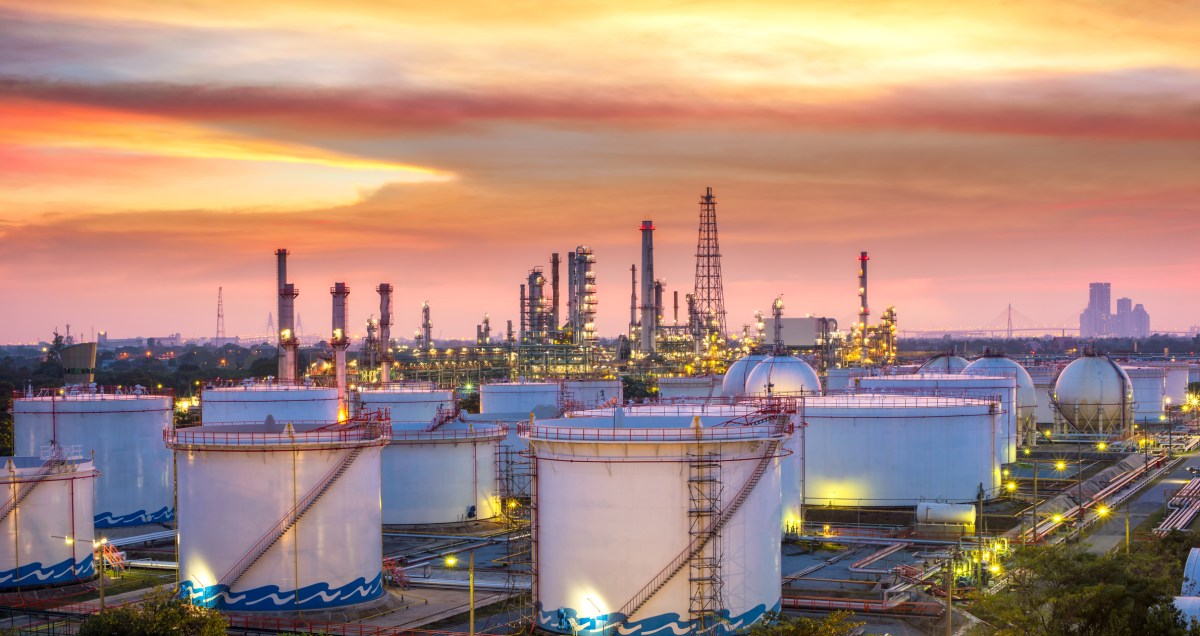
Iranian officials say a cyberattack has forced the temporary closure of a government system that manages fuel subsidies, rendering it difficult for many citizens to refuel their cars.
While specific details of the incident remain unclear, Iranian state broadcasters cited an unnamed government official who said malicious cyber activity was responsible for the outages. Oil Ministry officials conducted an “emergency meeting” to resolve the issue, while Associated Press journalists observed long lines of motorists dealing with gas shortages at fuel stations in Tehran.
The “semiofficial” news agency ISNA reported that fuel pumps would state the message “cyberattack 64411” upon trying to purchase gas, the Associated Press reported. The same number, 64411, also appeared in a July cyber incident that affected Iranian rail systems, a matter that the security firm Check Point attributed to Indra, a hacking group that identifies itself as an Iranian government resistance group. The 64411 number reportedly belongs to an office of Iran’s Supreme Leader, Ayatollah Ali Khamenei.
After the apparent breach affecting gas services, the same number accompanied a message asking Khamenei where Iranians could locate fuel supplies.
As gas stations around #Iran are out of service, video is circulating showing a sign displayed on a highway asking Khamenei where is our gasoline? This reminds me of the incident in July during the cyberattack on the rail system, directing travelers to call Khamenei's office. https://t.co/XqUoXR9vep
— Jason Brodsky (@JasonMBrodsky) October 26, 2021
Few details about the Indra hacking group were immediately available. Investigators from Check Point, though, determined that Indra’s rail attacks had technical similarities to breaches affecting multiple private companies in Syria, carried out since 2019. Attackers used three different versions of a so-called wiper malware — capable of deleting data to cover its tracks after an infection — called Meteor, Stardust and Comet.
Researchers in July also urged caution about definitive attribution.
“While most attacks against a nation’s sensitive networks are indeed the work of other governments, the truth is that there is no magic shield that prevents a non-state sponsored entity from creating the same kind of havoc, and harming critical infrastructure in order to make a statement,” Check Point said in a blog post at the time.
Latest Podcasts
Government
FBI officials say AI is bolstering adversaries, emphasizing need to focus on cyber basics, patching
CIA’s Michael Ellis says cyber intelligence is changing how the agency operates
The G7 tells industry to hurry up and prep for post-quantum encryption
Jail time for Maine child in 764 marks turning point in federal law enforcement
Technology
Threats
Chinese espionage groups swarm to exploit triple-link chain of zero-days
Microsoft discloses two actively exploited zero-days among 974 vulnerabilities
Russian national extradited to US for alleged involvement in bank-account takeover scheme
Attackers exploit zero-days in consistently besieged SonicWall product
Policy
Whistleblower says USPS deploying new, ‘untested’ IT systems governing mail-in ballots
Former sexual abuse victims say Grok used their images, videos to train deepfake capabilities
Cyber threats nudge Trump to sign executive order on foreign equipment in U.S. energy infrastructure
Election official says Tina Peters would be consultant, won’t have access to election systems
Text extracted automatically; images, tables and formatting may be missing. Original: https://cyberscoop.com/iran-gas-hack-fuel-breach/