Active Chinese hacking campaign targeted diplomats from Slovakia, South America
Full article644 words · extracted from cyberscoop.com · click to collapse
Get our latest cybersecurity news first on Google.
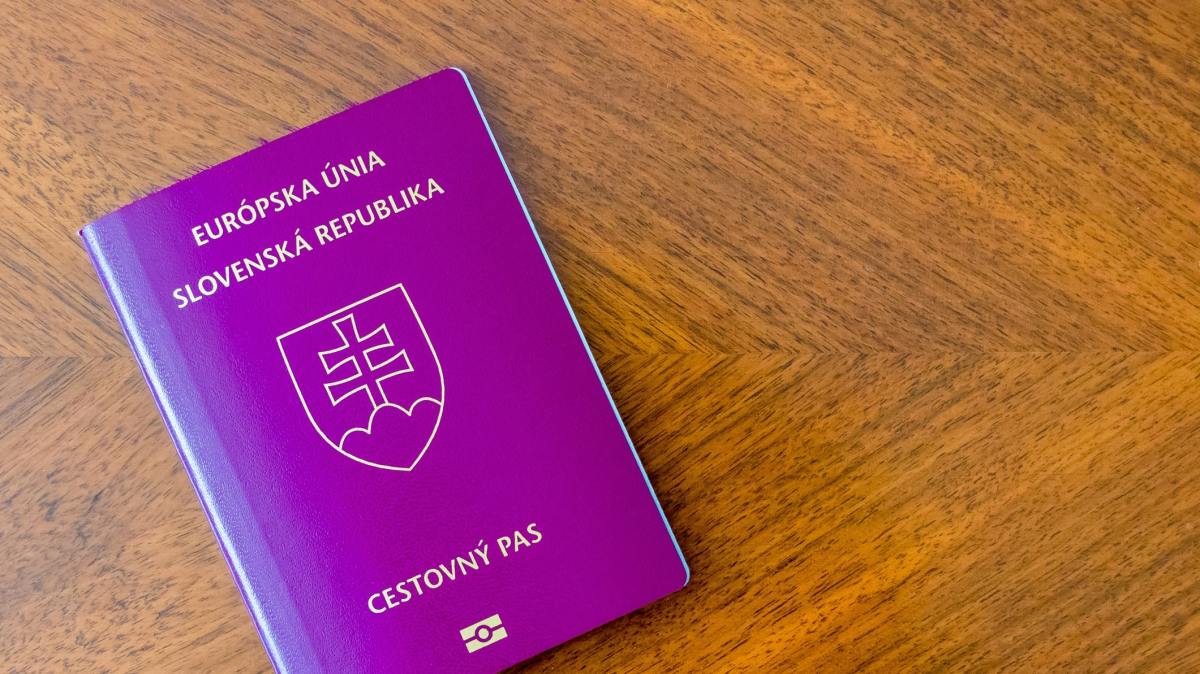
The timing of the attacks on Slovakia coincided with possible business investment from a Chinese steel giant.
Suspected Chinese hackers who have haunted military and government targets for a generation have updated their malicious software tools to target diplomatic missions.
The Ke3chang cyber-espionage group has been active since at least 2010, researchers say, gathering intelligence about international government contractors, military organizations and breached computers used by foreign ministries before the 2012 G20 Summit, according to FireEye.
Now, there’s new evidence the group updated its tactics in a series of attacks aimed at diplomats in Belgium, Brazil, Chile, Guatemala, and Slovakia. Security specialists at the Slovak antivirus company ESET published research Thursday demonstrating how the Ke3chang group used a technical backdoor, Okrum, and an updated version of the Ketrican malware. The hacking tools allow Ke3chang hackers to intercept information about victims, including their usernames, IP addresses, operating systems and build numbers; their language and country names; and other communications.
ESET’s says its findings date back to 2015, when employees “identified new suspicious activities in European countries.” The company did not tie the hacking activity with any international events, though it did say Ke3chang “seemed to have a particular interest in Slovakia” for a number of years, especially into 2017.
The timeline roughly coincides with changing diplomatic relations between Slovakia and China, and possible investments from Beijing into Central Europe. China’s Hesteel Group, then the world’s second-largest steel producer, offered $1.5 billion for a plant in Slovakia, though the deal never went through.
The group is still active, according to ESET, with new malware samples uncovered as recently as March of this year. ESET did not attribute Ke3chang to any particular nation-state, though previous research from other firms have tied Ke3chang tools to hackers operating out of China. The group is also known as APT15, Playful Dragon, Vixen Panda, and Thailand’s Computer Emergency Response Team has deemed it a state-sponsored operation.
Palo Alto Networks in 2016 caught Ke3chang using malware against embassy officials from India, which shares a border with China.
“Just like the other known Ke3chang malware, Okrum is not technically complex, but we can certainly see that the malicious actors behind it were trying to remain undetected by using tactics such as embedding the malicious payload within a legitimate PNG image, employing several anti-emulation and anti-sandbox tricks, as well as making frequent changes in implementation,” ESET researchers explain.
“Since the Okrum backdoor is not very technically complex, most of the malicious activity must be performed by manually typing shell commands, or by executing other available tools and software,” the ESET team says.
Latest Podcasts
Government
FBI officials say AI is bolstering adversaries, emphasizing need to focus on cyber basics, patching
Feds accuse China of ‘systematic’ distillation of U.S. AI models
CIA’s Michael Ellis says cyber intelligence is changing how the agency operates
The G7 tells industry to hurry up and prep for post-quantum encryption
Technology
Threats
Microsoft discloses two actively exploited zero-days among 974 vulnerabilities
Russian national extradited to US for alleged involvement in bank-account takeover scheme
Attackers exploit zero-days in consistently besieged SonicWall product
Jail time for Maine child in 764 marks turning point in federal law enforcement
Policy
Whistleblower says USPS deploying new, ‘untested’ IT systems governing mail-in ballots
‘Watershed 250’ test program in Texas looks to private sector for water cybersecurity help
Former sexual abuse victims say Grok used their images, videos to train deepfake capabilities
Cyber threats nudge Trump to sign executive order on foreign equipment in U.S. energy infrastructure
Text extracted automatically; images, tables and formatting may be missing. Original: https://cyberscoop.com/ke3chang-slovakia-hacks-eset-china/