US is looking to weave AI into critical infrastructure for cybersecurity, national cyber director says
National Cyber Director Sean Cairncross said the U.S. is deploying AI across critical infrastructure to strengthen cyber defenses.
National Cyber Director Sean Cairncross said Tuesday that the U.S. government is working with critical infrastructure operators to deploy AI models quickly so they can help secure vital systems. Speaking at a USTelecom event, he urged CEOs to track AI agents in their systems and supply chains, including who is authorized, what they can access, and where agents run. He later attended a White House lunch with President Donald Trump, Vice President J.D. Vance, House Speaker Mike Johnson, and AI executives to discuss regulatory guardrails versus voluntary measures. Cairncross said the spring debut of the Mythos model crystallized interagency work with industry, and he also called for incentives to replace aging, unsupported systems.
- U.S. officials are deploying AI models across critical infrastructure to strengthen cyber defenses.
- Cairncross told CEOs to track agent authorization, access, and where agents run.
- A White House lunch weighed AI regulatory guardrails against voluntary measures.
- He said the Mythos model debut crystallized interagency work with industry.
- Replacing aging, unsupported systems is a less visible but key priority.
Full article773 words · extracted from cyberscoop.com · click to collapse
Get our latest cybersecurity news first on Google.
Sean Cairncross said CEOs need to be cognizant of how it’s being used, however.
Listen to this article
0:00
Learn more.
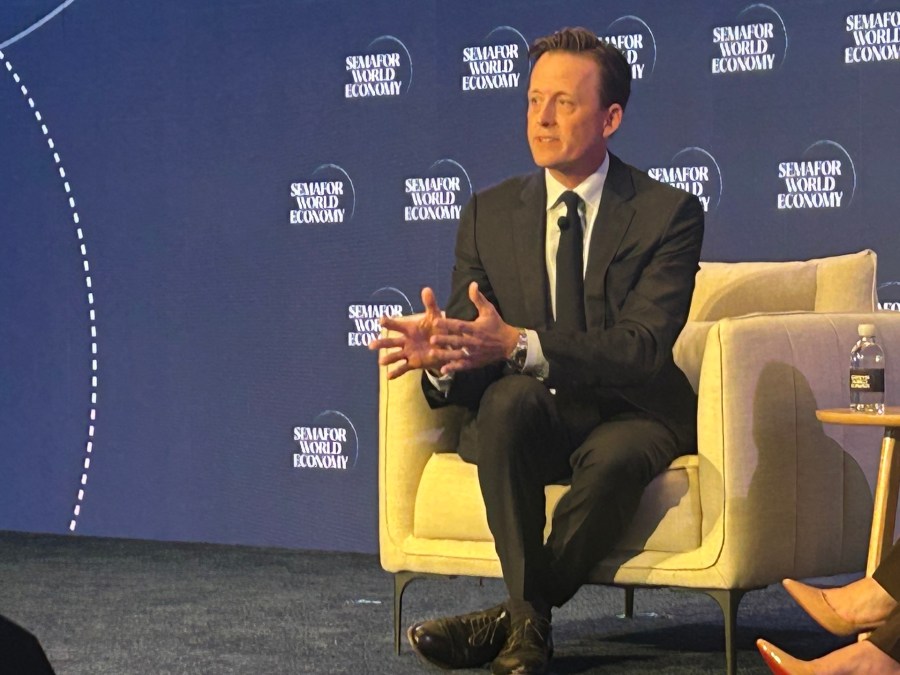
The U.S. government is working with critical infrastructure operators to integrate artificial intelligence into the nation’s most vital systems and strengthen cyber defenses, National Cyber Director Sean Cairncross said Tuesday.
“We have been working closely, and I believe it is functioning well to get models deployed throughout sectors as quickly as possible, and they can be used to secure systems,” he said at a USTelecom event. But he said business leaders need to pay close attention to how AI is being used.
“What CEOs should be thinking about is the agents that run on these systems and in your supply chain — having insight and visibility into who has authorization, what they are authorized to access, and where they are running in your system… it is an important thing to be on the radar,” he said.
Cairncross made his comments before attending a lunch at the White House featuring top AI tech leaders along with President Donald Trump, Vice President J.D. Vance, and House Speaker Mike Johnson, R-La. The expected discussion topics included weighing the necessity of regulatory guardrails that AI executives have been discussing versus voluntary measures that Trump and Johnson have favored.
Some lawmakers have proposed stricter rules.
“What we’re looking for are pathways where our systems and the services they provide, the daily life that is supported by these systems, can be protected, can be upscaled, can use the the best in class technology as quickly as possible,” Cairncross said about the administration’s approach to regulation and innovation.
“The Mythos moment” in the spring, when that AI model debuted, “crystallized” the administration’s work since, he said: “I think there’s been an enormous amount of work that’s gone in across the interagency, working with industry to get those pathways in place.”
Another key component in AI and cybersecurity is less “sexy,” Cairncross said, which is creating incentives to replace aging, unsupported systems.
Cairncross made his remarks in response to questions from Jonathan Spalter, CEO of USTelecom.
“We know that just in the last six months, the effectiveness of AI models being embedded in much of our critical infrastructure has increased to a stunning degree,” Spalter said.
More Scoops

Governments ‘buying time’ in race between innovation, security, national cyber director says
Sean Cairncross also said AI has shown long-standing issues in cyber rather than creating new ones.
National cyber director lays out White House plans to secure AI without writing new rules

National cyber director says U.S. needs to counter Chinese surveillance, push American tech
Latest Podcasts
Government
ShinyHunters trades financial extortion for a reckless war of ego with the FBI
Supreme Court permits states to use SAVE database for citizenship checks
Phone-hacking company that won U.S. security agency contracts hid Russian ownership, DOJ alleges
Bipartisan Senate leaders introduce bill to bolster telecom cybersecurity in response to Salt Typhoon hacks
Technology
Threats
Army soldier sentenced for spree of attacks on AT&T, Snowflake and other major companies
Watchdog finds most agencies failed to meet CISA cloud security orders, heightening risk of attack
Ryuk ransomware operator sentenced to 2 years in prison
ShinyHunters claims attack on FBI exposes almost all agents