FBI calls Akira ‘top five’ ransomware variant out of 130 targeting US businesses
Vulnerabilities mentionedAll →
| CVE | Vulnerability | CVSS | EPSS | Flags | Affected | Exposure | Published |
|---|---|---|---|---|---|---|---|
| CVE-2024-40766 | Improper Access Control in SonicWall SonicOS Management (Gen 5/6/7 Firewalls) CVE-2024-40766 is an improper access control flaw (CWE-284) in SonicWall SonicOS management access that can allow unauthorized access to protected resources and, under specific conditions, crash the affected firewall. It is network-exploitable without privileges or user interaction per its CVSS 3.1 vector (AV:N/AC:L/PR:N/UI:N) and affects Gen 5 and Gen 6 appliances as well as Gen 7 devices running SonicOS 7.0.1-5035 or older. A successful attacker gains unauthorized access to resources behind or on the appliance and can potentially take the firewall offline, creating opportunities for follow-on attacks such as VPN account compromise and ransomware deployment. The flaw was added to CISA's Known Exploited Vulnerabilities catalog on 2024-09-09 with known ransomware use, and recent reporting ties Akira ransomware activity — including MFA bypass on SonicWall VPNs affecting over 100 accounts — to this legacy bug combined with password reuse. No public PoC is known, but EPSS assigns an ~18.2% probability of exploitation within 30 days (97th percentile). Do: Upgrade Gen 7 appliances to SonicOS 7.0.1-5037 or later (the fixed release beyond the affected 7.0.1-5035) and move Gen 5/6 devices to the latest SonicOS release SonicWall supports for those generations; per CISA KEV guidance, apply vendor mitigations or discontinue use if patching is not possible. Restrict WAN-side management and SSLVPN access to trusted sources, audit VPN accounts for password reuse, rotate credentials and any locally stored recovery codes, and review logs for signs of Akira-related compromise such as MFA bypass or disabled EDR agents. | 9.8 | 18% | KEV ransomware |
| mass≈100,000–500,000 internet-exposed SonicWall firewalls/SSLVPN endpoints (installed base of 1M+ appliances) |
Full article793 words · extracted from cyberscoop.com · click to collapse
Get our latest cybersecurity news first on Google.
Officials shared indicators of compromise observed as recently as this month to help organizations hunt for and defend against the ransomware group, which has pocketed $244 million as of late September.
Listen to this article
0:00
Learn more.
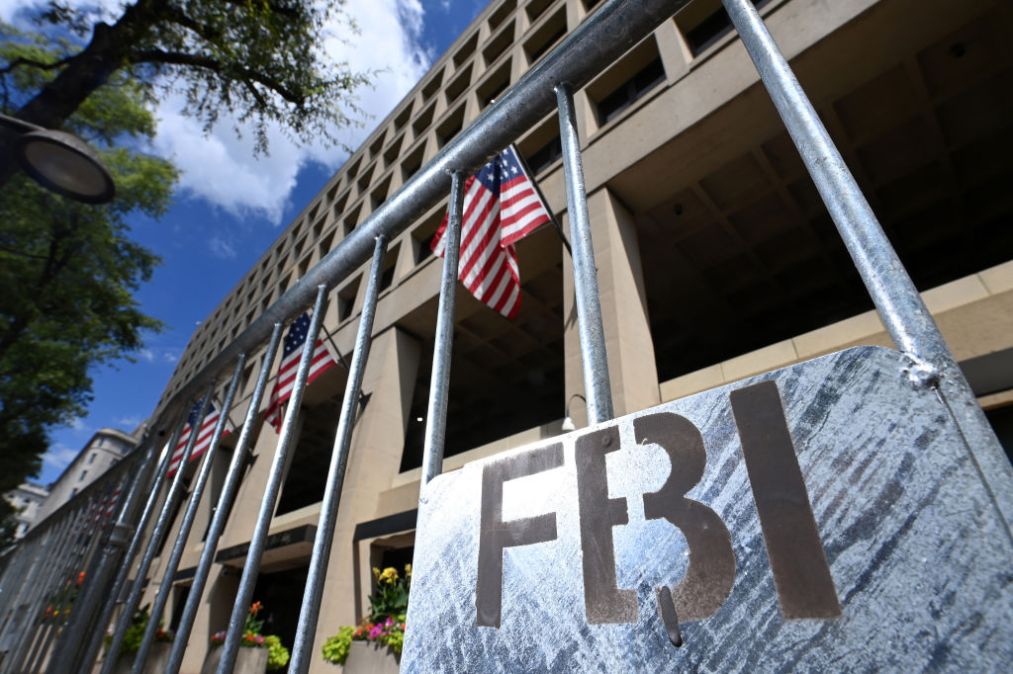
Federal cyber authorities shared new details Thursday about the Akira ransomware group’s techniques, the tools it uses and vulnerabilities it exploits for initial access alongside the release of a joint cybersecurity advisory.
Members of the financially motivated group, which initially appeared in March 2023, are associated with other threat groups, including Storm-1567, Howling Scorpius, Punk Spider, Gold Sahara, and may have connections with the disbanded Conti ransomware group, officials said. Akira uses a double-extortion model, encrypting systems after stealing data to amplify pressure on victims.
Akira ransomware has claimed more than $244 million in ransomware proceeds as of late September, the FBI and Cybersecurity and Infrastructure Security agency said in the joint advisory. The group primarily targets small- and medium-sized businesses with many victims impacted in the manufacturing, education, IT, health care, financial and agriculture sectors.
“For the FBI, it is within the top five variants that we investigate,” Brett Leatherman, assistant director at the FBI Cyber Division, said during a media briefing Thursday. “It’s consequential. This group is very consequential that they fall likely within our top five.”
Ransomware is the FBI’s top cybercriminal threat, which is “enormous in terms of the amount of losses, the number of active variants and its disruptive effect,” he said. “The FBI is investigating over 130 ransomware variants targeting U.S. businesses in just about any critical infrastructure sector you can think of.”
The advisory, which was also supported by Europol and cyber authorities in France, Germany and the Netherlands, included six new vulnerabilities Akira is known to exploit, including defects affecting Cisco firewalls and virtual private networks, Windows, VMware ESXi, Veeam Backup and Replication and SonicWall firewalls.
“We know that they are actively looking at the vulnerabilities disclosed in [the joint advisory] in order to monetize their activity,” Leatherman said.
Researchers previously warned that Akira hit about 40 victims by exploiting CVE-2024-40766, a year-old vulnerability, between mid-July and early August. That burst was followed by another wave of ransomware attacks linked to active exploits of the defect.
The joint advisory, which updates previous guidance around hunting for and defending against Akira, was not in response to any specific attack, said Nick Andersen, executive assistant director for cybersecurity at CISA.
“It’s more a reflection of the reality that our nation’s ransomware adversaries are continuously evolving their tactics and therefore it’s critical that we improve our defenses as well,” he said.
Akira operates with quickness, exfiltrating data in just over two hours from initial access in some incidents, according to the advisory.
The FBI and researchers have observed Akira break into systems using stolen credentials, vulnerabilities, brute-force and password-spraying attacks. Authorities said Akira has abused remote access tools such as AnyDesk and LogMeIn to maintain persistence, created new accounts to establish footholds, and leveraged tools to escalate privileges.
Some of the indicators of compromise were observed as recently as this month, Leatherman said.
“Actors are incredibly adaptable and are emphasizing operational security in their actions. Their attacks are increasingly becoming more sophisticated, complex and layered,” he added. “They can be extremely costly for victims, often with remediation costs far outpacing those of the original demand.”
Latest Podcasts
Government
FBI officials say AI is bolstering adversaries, emphasizing need to focus on cyber basics, patching
Feds accuse China of ‘systematic’ distillation of U.S. AI models
CIA’s Michael Ellis says cyber intelligence is changing how the agency operates
The G7 tells industry to hurry up and prep for post-quantum encryption
Technology
Threats
Chinese espionage groups swarm to exploit triple-link chain of zero-days
Microsoft discloses two actively exploited zero-days among 974 vulnerabilities
Russian national extradited to US for alleged involvement in bank-account takeover scheme
Jail time for Maine child in 764 marks turning point in federal law enforcement
Policy
Whistleblower says USPS deploying new, ‘untested’ IT systems governing mail-in ballots
‘Watershed 250’ test program in Texas looks to private sector for water cybersecurity help
Former sexual abuse victims say Grok used their images, videos to train deepfake capabilities
Cyber threats nudge Trump to sign executive order on foreign equipment in U.S. energy infrastructure
Text extracted automatically; images, tables and formatting may be missing. Original: https://cyberscoop.com/akira-ransomware-fbi-cisa-joint-advisory/