Apple addresses dozens of vulnerabilities in latest software for iPhones, iPads and Macs
Vulnerabilities mentionedAll →
| CVE | Vulnerability | CVSS | EPSS | Flags | Affected | Exposure | Published |
|---|---|---|---|---|---|---|---|
| CVE-2025-43298 +1 in the same advisory: …43304 | A parsing issue in the handling of directory paths was addressed with improved path validation. A parsing issue in the handling of directory paths was addressed with improved path validation. This issue is fixed in macOS Sequoia 15.7, macOS Sonoma 14.8, macOS Tahoe 26. An app may be able to gain root privileges. NVD description · AI analysis pending | 7.8 group max | <1% |
| — | ||
| CVE-2025-43300 | Actively Exploited Out-of-Bounds Write in Apple iOS/iPadOS/macOS Image I/O CVE-2025-43300 is an out-of-bounds write (CWE-787) in the Image I/O (ImageIO) framework used by Apple iOS, iPadOS, and macOS. It can be triggered when a device processes a specially crafted image file, corrupting memory in the image-parsing process. Successful exploitation may cause application crashes or allow arbitrary code execution with the privileges of the application handling the image. Because ImageIO is a core system component on essentially every Apple device, virtually all users of iPhones, iPads, and Macs are exposed. The flaw is being exploited in the wild — CISA added it to the KEV catalog on 2025-08-21, mandating patching per BOD 22-01 for federal agencies — and EPSS estimates a 22% probability of exploitation in the next 30 days (98th percentile); no public PoC is known and ransomware use is unconfirmed. Do: Apply Apple's security updates for iOS, iPadOS, and macOS issued in August 2025 (e.g., iOS 18.6.1 / iPadOS 18.6.1 and macOS Sequoia 15.6.1) on all devices, prioritizing user-facing fleets and agencies bound by BOD 22-01 deadlines. Until devices are patched, exercise caution with images from untrusted sources (email, messaging, web content), since no compensating mitigations are specified. Note that the source data does not enumerate exact affected builds, so verify coverage against Apple's advisory and CISA KEV required actions. | 10.0 | 22% | KEV PoC |
| mass>1 billion active Apple devices (ImageIO is a core framework on all iOS/iPadOS/macOS devices; Apple's active device base exceeds 2 billion) |
Full article662 words · extracted from cyberscoop.com · click to collapse
Get our latest cybersecurity news first on Google.
The tech giant doesn’t provide details about the severity of vulnerabilities it discloses, but none of the new defects are under active attack.
Listen to this article
0:00
Learn more.
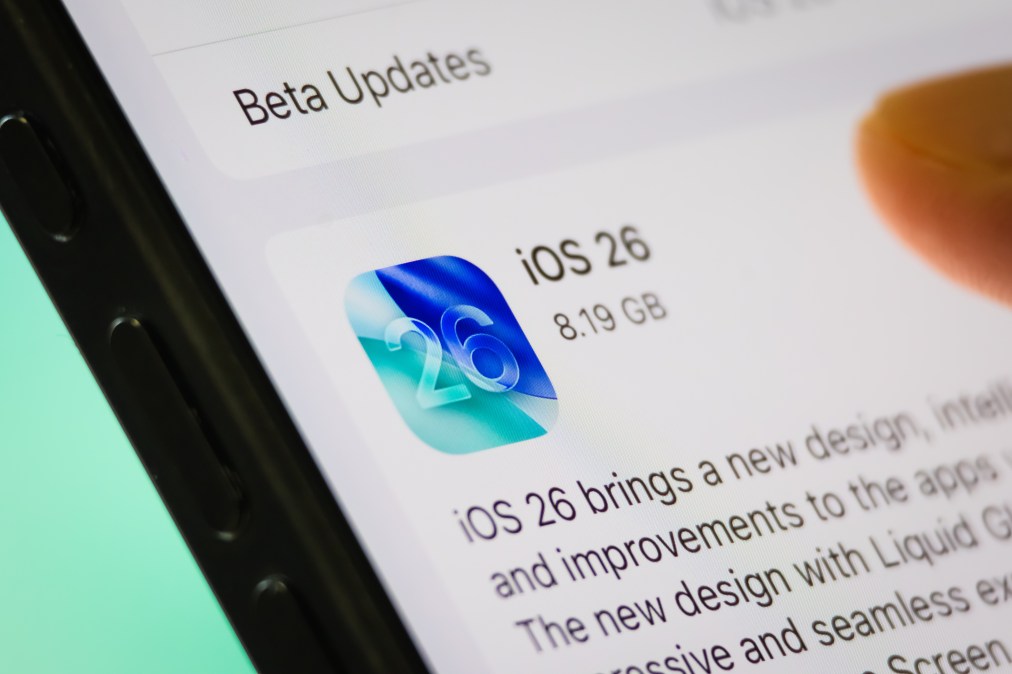
Apple’s latest operating systems for its most popular devices — iPhones, iPads and Macs — include patches for multiple vulnerabilities, but the company didn’t issue any warnings about active exploitation.
Apple patched 27 defects with the release of iOS 26 and iPadOS 26 and 77 vulnerabilities with the release of macOS 26, including some bugs that affected software across all three devices. Apple’s new operating systems, which are now numbered for the year of their release, were published Monday as the company prepares to ship new iPhones later this week.
Users that don’t want to upgrade to the latest versions, which adopt a translucent design style Apple dubs “liquid glass,” can patch the most serious vulnerabilities by updating to iOS 18.7 and iPad 18.7 or macOS 15.7. Most Apple devices released in 2019 or earlier are not supported by the latest operating systems.
None of the vulnerabilities Apple disclosed this week appear to be under active attack, Dustin Childs, head of threat awareness at Trend Micro’s Zero Day Initiative, told CyberScoop.
Apple previously issued an emergency software update to customers last month to patch a zero-day vulnerability — CVE-2025-43300 — that was “exploited in an extremely sophisticated attack against specific targeted individuals,” the company said in a series of updates for iOS, iPadOS and macOS.
The company has addressed five actively exploited zero-days this year, including defects previously disclosed in January, February, March and April. Seven Apple vulnerabilities have been added to the Cybersecurity and Infrastructure Security Agency’s known exploited vulnerabilities catalog this year.
Unlike many vendors, Apple doesn’t provide details about the severity of vulnerabilities it addresses in software updates. Childs noted it would be helpful if Apple issued some sort of initial severity indicator alongside the vulnerabilities it patches — even if it doesn’t follow the Common Vulnerability Scoring System.
A pair of vulnerabilities patched in macOS — CVE-2025-43298, which affects PackageKit, and CVE-2025-43304, which affects StorageKit — are concerning because exploitation could allow an attacker to gain root privileges, Childs said.
“On the iOS side, I don’t see anything that makes me sweat immediately but there are a lot of bugs addressed,” he added.
Apple also patched seven defects in Safari 26, 19 vulnerabilities in watchOS 26, 18 bugs in visionOS 26 and five defects in Xcode 26.
More information about the vulnerabilities and latest software versions are available on Apple’s security releases site.
Latest Podcasts
Government
FBI officials say AI is bolstering adversaries, emphasizing need to focus on cyber basics, patching
Feds accuse China of ‘systematic’ distillation of U.S. AI models
CIA’s Michael Ellis says cyber intelligence is changing how the agency operates
Jail time for Maine child in 764 marks turning point in federal law enforcement
Technology
Threats
Policy
Whistleblower says USPS deploying new, ‘untested’ IT systems governing mail-in ballots
‘Watershed 250’ test program in Texas looks to private sector for water cybersecurity help
Former sexual abuse victims say Grok used their images, videos to train deepfake capabilities
Cyber threats nudge Trump to sign executive order on foreign equipment in U.S. energy infrastructure
Text extracted automatically; images, tables and formatting may be missing. Original: https://cyberscoop.com/apple-security-updates-september-2025/