Flash 0-Day In The Wild: Group 123 At The Controls
Vulnerabilities mentionedAll →
| CVE | Vulnerability | CVSS | EPSS | Flags | Affected | Exposure | Published |
|---|---|---|---|---|---|---|---|
| CVE-2018-4878 | Use-After-Free RCE in Adobe Flash Player before 28.0.0.161 CVE-2018-4878 is a use-after-free (CWE-416) in Adobe Flash Player before 28.0.0.161, caused by a dangling pointer in the Primetime SDK's media-player handling of listener objects. An attacker triggers it by persuading a user to open attacker-controlled Flash content — typically a malicious SWF delivered via email, Office documents, or malvertising/exploit kits — because the CVSS vector (AV:L, UI:R) requires local user interaction. Successful exploitation yields arbitrary code execution with the privileges of the user running Flash. Anyone running a vulnerable Flash Player was exposed, including Red Hat Enterprise Linux Desktop/Server/Workstation users running Red Hat's packaged Flash plugin. The flaw was exploited as a zero-day in January–February 2018 (documented by McAfee and distributed alongside the Fallout exploit kit), and it remains in CISA's KEV with known ransomware use. Do: Upgrade Adobe Flash Player to 28.0.0.161 or later, including Red Hat's flash-plugin package on RHEL Desktop/Server/Workstation. Because Flash is now end-of-life, CISA's required KEV action is to remove or disconnect Flash entirely where still in use — audit browsers, Office configurations, and legacy RHEL hosts for residual Flash installs, and block SWF content delivered via email and the web. Given confirmed in-the-wild exploitation, known ransomware use, and 89.5% EPSS, prioritize this in remediation tracking. | 7.8 | 90% | KEV ransomware PoC ×2 |
| mass≈ hundreds of millions of desktop installs at time of disclosure; residual unmigrated installs now unknown (Flash is end-of-life) |
Indicators of compromiseauto-extracted · verify before use · export allAll →
| Type | Indicator | Context |
|---|---|---|
| domain | www.1588-2040.co.kr | e URLs where this additional payload was downloaded: hxxp://www[.]1588-2040[.]co[.]kr/conf/product_old.jpg hxxp://www[.]1588-2040[.]co[.]kr |
| domain | www.dylboiler.co.kr | age.php hxxp://www[.]korea-tax[.]info/main/local.php hxxp://www[.]dylboiler[.]co[.]kr/admincenter/files/board/4/manager.php All these URLs |
| domain | www.korea-tax.info | ]1588-2040[.]co[.]kr/design/m/images/image/image.php hxxp://www[.]korea-tax[.]info/main/local.php hxxp://www[.]dylboiler[.]co[.]kr/admince |
| sha256 | 3b1395f620e428c5f68c6497a2338da0c4f749feb64e8f12e4c5b1288cc57a1c | b8479f3a416fa58580ae76a8c731c2294c24663c601a1267e0e5c2678a0 3b1395f620e428c5f68c6497a2338da0c4f749feb64e8f12e4c5b1288cc57a1c ROKRAT sample: E1546323dc746ed2f7a5c973dcecc79b014b68bdd8a6 |
| sha256 | e1546323dc746ed2f7a5c973dcecc79b014b68bdd8a6230239283b4f775f4bbd | 6497a2338da0c4f749feb64e8f12e4c5b1288cc57a1c ROKRAT sample: E1546323dc746ed2f7a5c973dcecc79b014b68bdd8a6230239283b4f775f4bbd URL: hxxp://www[.]1588-2040[.]co[.]kr/conf/product_old.jpg |
| sha256 | fec71b8479f3a416fa58580ae76a8c731c2294c24663c601a1267e0e5c2678a0 | available for purchase on Snort.org . IOCs Flash exploits: fec71b8479f3a416fa58580ae76a8c731c2294c24663c601a1267e0e5c2678a0 3b1395f620e428c5f68c6497a2338da0c4f749feb64e8f12e4c5b1288cc |
| url | http://www[ | are some URLs where this additional payload was downloaded: hxxp://www[.]1588-2040[.]co[.]kr/conf/product_old.jpg hxxp://www[.]1588 |
Full article605 words · extracted from blog.talosintelligence.com · click to collapse
Friday, February 2, 2018 11:27
This blog post is authored by Warren Mercer and Paul Rascagneres.
Executive Summary
The 1st of February, Adobe published an advisory concerning a Flash vulnerability (CVE-2018-4878). This vulnerability is a use after free that allows Remote Code Execute through a malformed Flash object. Additionally KISA (Korean CERT) published an advisory about a Flash 0-day used in the wild. Talos identified that an attacker exploited this vulnerability with a Flash object embedded in a Microsoft Excel document. By opening the document, the exploit was executed in order to download an additional payload from a compromised website.
We identified that the downloaded payload is the well-known Remote Administration Tool named ROKRAT. We already extensively spoke about this RAT on several articles in this blog: here, here, here and here. It is particularity used with cloud platforms in order to exfiltrate documents and manage infected systems.
Flash 0-Day: CVE-2018-4878
The campaign started by a malicious Microsoft Excel sheet:
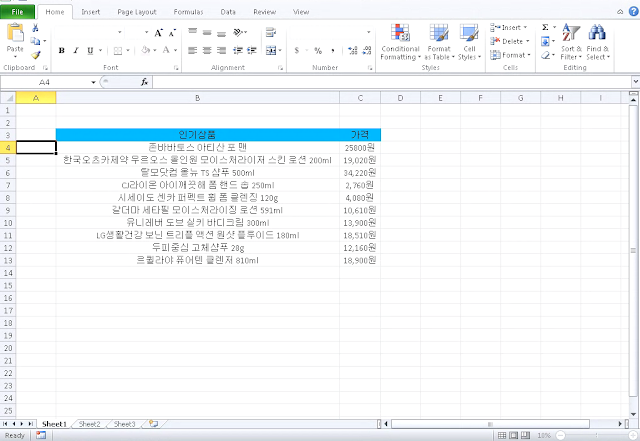
This malicious document contains an ActiveX object. This object is a SWF file (Flash). The CVE-2018-4878 use after free vulnerability is used in order to download an additional payload from a compromised web server. This payload is a shellcode loaded in memory and executed. We identified Flash exploits from November 2017. Here is the exploit workflow:
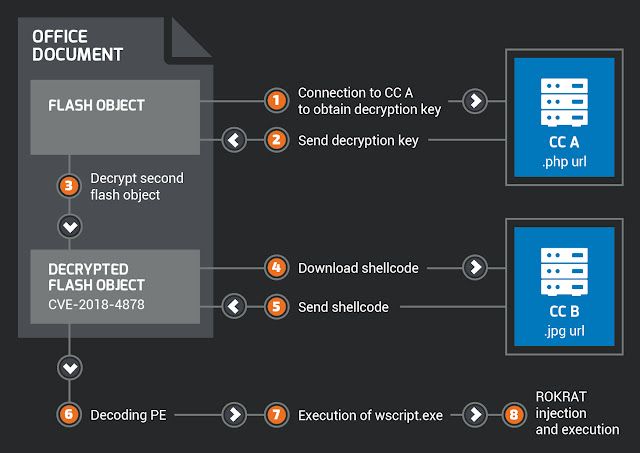
CC & ROKRAT Payload
As explained previously, the purpose of the exploit is to download and execute an additional payload on the Internet. Here are some URLs where this additional payload was downloaded:
- hxxp://www[.]1588-2040[.]co[.]kr/conf/product_old.jpg
- hxxp://www[.]1588-2040[.]co[.]kr/design/m/images/image/image.php
- hxxp://www[.]korea-tax[.]info/main/local.php
- hxxp://www[.]dylboiler[.]co[.]kr/admincenter/files/board/4/manager.php
All these URLs are compromised websites located in South Korea. We identified that several of these URLs hosted a shellcode used to unpack and execute a ROKRAT variant. Here is the PDB of this sample:
d:\HighSchool\version 13\2ndBD\T+M\T+M\Result\DocPrint.pdbIt's the same PDB that was previously identified during our investigations. The exploit was used to drop ROKRAT on compromised systems. One of the ROKRAT samples identified used a naming reference to Hancom Secure AnySign. It is a reference to a legitimate application developed by Hancom Secure for PKI & authentication mechanisms. It is a software application used to protect user data and is massively used in South Korea.
In January 2018 we produced a write up 'Korea In The Crosshair' detailing the campaigns previously carried out by Group 123. In this write up we explained this would not be the last time we witness attacks from this threat actor and that we would expect them to continue to evolve. Within a few weeks we have witnessed the evolution of Group 123 and we will continue to monitor the threat landscape for this group.
Coverage
Additional ways our customers can detect and block this threat are listed below.
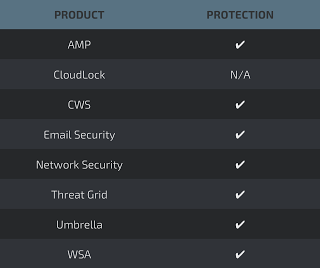
Advanced Malware Protection (AMP) is ideally suited to prevent the execution of the malware used by these threat actors.
CWS or WSA web scanning prevents access to malicious websites and detects malware used in these attacks.
Email Security can block malicious emails sent by threat actors as part of their campaign.
Network Security appliances such asNGFW,NGIPS, andMeraki MX can detect malicious activity associated with this threat.
AMP Threat Grid helps identify malicious binaries and build protection into all Cisco Security products.
Umbrella, our secure internet gateway (SIG), blocks users from connecting to malicious domains, IPs, and URLs, whether users are on or off the corporate network.
Open Source Snort Subscriber Rule Set customers can stay up to date by downloading the latest rule pack available for purchase on Snort.org.
IOCs
Flash exploits:
fec71b8479f3a416fa58580ae76a8c731c2294c24663c601a1267e0e5c2678a0
3b1395f620e428c5f68c6497a2338da0c4f749feb64e8f12e4c5b1288cc57a1c
ROKRAT sample:
E1546323dc746ed2f7a5c973dcecc79b014b68bdd8a6230239283b4f775f4bbd
URL:
hxxp://www[.]1588-2040[.]co[.]kr/conf/product_old.jpg
hxxp://www[.]1588-2040[.]co[.]kr/design/m/images/image/image.php
hxxp://www[.]korea-tax[.]info/main/local.php
hxxp://www[.]dylboiler[.]co[.]kr/admincenter/files/board/4/manager.php
Text extracted automatically; images, tables and formatting may be missing. Original: https://blog.talosintelligence.com/group-123-goes-wild/