100-plus companies call for ‘global surge’ in AI
OpenAI, Anthropic, Google, Microsoft, AWS and 100+ organizations sign open letter urging a 'global surge' in AI-powered cyber defenses.
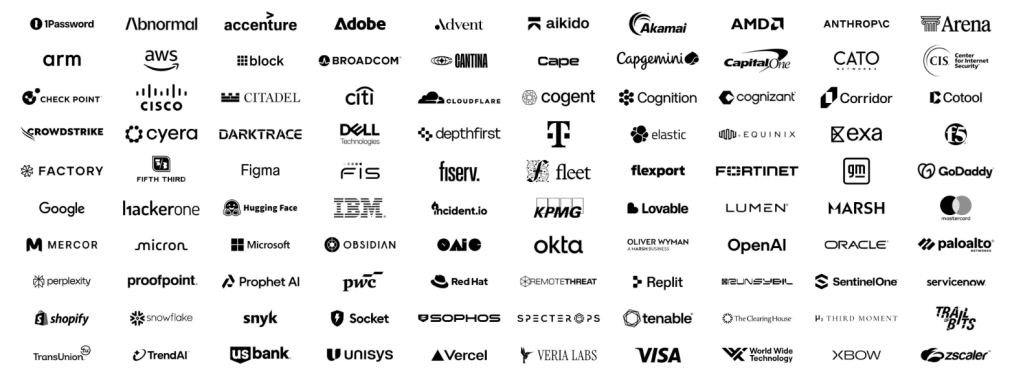
More than 100 companies including OpenAI, Anthropic, Google, Microsoft, AWS, Capital One, Mastercard, CrowdStrike, Palo Alto Networks and Proofpoint signed an open letter published Thursday calling for accelerated cybersecurity defenses as AI capabilities advance. The letter argues a shrinking 'defenders' window' exists to fix accumulated weaknesses such as excessive permissions, misconfigurations and unpatched legacy systems before AI-enabled attacks grow more widespread. It asks governments to coordinate cross-border defense and fund protection of critical infrastructure, and asks frontier AI labs to provide model access, funding and support. It references a June US executive order creating the Gold Eagle AI threat-sharing clearinghouse.
- Letter signed by 100+ firms argues 'status quo security won't be enough' against AI-enabled attacks
- Calls for tools, funding and hands-on support for under-resourced critical infrastructure defenders
- Organizations urged to prioritize fixing highest-risk weaknesses and scrutinize AI-generated code
- References Gold Eagle federal AI threat-sharing clearinghouse created by June executive order
Full article845 words · extracted from cyberscoop.com · click to collapse
Get our latest cybersecurity news first on Google.
OpenAI, Anthropic, Google, Microsoft, and others say there’s a narrow “defenders’ window” to strengthen security before AI-powered attacks become more sophisticated.
Listen to this article
0:00
Learn more.

More than 100 companies and organizations, including OpenAI, Anthropic, Google, Microsoft and Amazon Web Services, have signed an open letter calling for a global effort to improve cybersecurity defenses as artificial intelligence capabilities advance.
The letter, published Thursday, argues that the timeframe to strengthen defenses before AI-enabled attacks become more widespread and complex is rapidly dwindling. Conversely, the letter says the same advances can give defenders new ways to find and fix vulnerabilities that have accumulated over years, a period the signatories call a “defenders’ window.”
“Each of us can reduce risk now,” the letter reads. “All organizations, cybersecurity companies, technology partners, governments, and AI frontier companies have an important role: accelerate defenders’ priorities with tools, funding, and hands-on support, especially for critical infrastructure organizations with limited budgets.”
Aside from AI-centric companies, financial institutions like Capital One, Mastercard and Visa, and cybersecurity firms like CrowdStrike, Palo Alto Networks, and Proofpoint, also signed the letter. Organizers describe the effort as ongoing, with more organizations expected to join over time.
The letter states that “status quo security won’t be enough.” It cites longstanding bugs, excessive permissions, misconfigurations, unpatched software, weak authentication and technical debt in legacy systems as sources of exposure. Security teams, particularly those protecting critical infrastructure, have been historically under-resourced, the letter says, and need what it describes as a surge in tools, resources and hands-on support.
In a conversation with CyberScoop Wednesday, top brass from Palo Alto Networks said they had seen enough from internal frontier AI model testing and malicious in-the-wild use of commercially available AI tools to be genuinely concerned.
“I can tell you without exaggeration that we believe that this is a generational shift in cybersecurity,” Sam Rubin, senior vice president of Palo Alto Networks’ threat intelligence arm, said Wednesday.
John Doyle, CEO of Cape, a privacy-first mobile network operator and whose company signed the letter, echoed the warning about status-quo security.
“It was already failing us in telecom–critical infrastructure that’s been breached time and again with serious consequences for both our military and regular people,” Doyle told CyberScoop. “It’s going to get immeasurably worse without collective action and leaning into innovative cyber defense.”
The letter further asks every organization to make cybersecurity an immediate leadership priority, fix the highest-risk weaknesses and raise security standards for technology they buy, build and deploy, including AI-generated code. Cybersecurity companies and technology partners are asked to test defenses against frontier AI capabilities and make AI-powered defense accessible to critical infrastructure operators.
Governments are urged to coordinate defense across borders, fund protection for essential services that lack staff or budget, and impose costs on attackers. Frontier AI companies are asked to provide responsible model access, funding, training and support, and to ensure that AI systems acting autonomously remain traceable and accountable.
The letter frames AI as both a threat and a remedy throughout the document. It mirrors what security experts have been saying for months, positioning the industry as entering an unprecedented two- to three-year period of upheaval, driven by AI systems that are discovering vulnerabilities exponentially faster than defenders can respond and threatening to render decades of security practices obsolete.
The U.S. government has taken steps to stay ahead of AI-enabled cyberthreats. As part of an executive order issued by President Donald Trump in June, a federal clearinghouse known as Gold Eagle was stood up for sharing AI cyber threat information between the government and private sector.
You can read the full letter here.
Latest Podcasts
Government
Technology
European parliament members call for slowdown of Serbia’s EU entry over spyware use
Pegasus, NoviSpy variant spyware found on devices of Serbian activists
Wyden seeks upgraded NSA security guidance on commercial VPN use
Former sexual abuse victims say Grok used their images, videos to train deepfake capabilities
Threats
Policy
Whistleblower says USPS deploying new, ‘untested’ IT systems governing mail-in ballots
Cyber threats nudge Trump to sign executive order on foreign equipment in U.S. energy infrastructure
Election official says Tina Peters would be consultant, won’t have access to election systems
Bipartisan Senate bill aims to prepare energy sector for Q-Day
Text extracted automatically; images, tables and formatting may be missing. Original: https://cyberscoop.com/ai-cyber-defense-global-surge/